Fans' love after news of 'small heart attack' overwhelms Brian May, Queen singer says his life's complete now

The musician said on Sunday that he suffered a near-fatal heart attack, but is recovering now.

AP
Brian May shared a health update, and said he was following the right things and doing physio.
LONDON: Veteran musician Brian May is overwhelmed by the love showered by his fans.

The musician had revealed that he recently suffered what he described as a near-fatal heart attack, but said he is now on the road to recovery. In an Instagram post on Sunday, the Queen lead guitarist said when he went in for a check-up, doctors found a tear in his gluteus maximus muscle and assumed that must be the cause.

But it was only after an MRI on his lower spine that they found the real problem: a compressed sciatic nerve.


"Why did those discs in my spine get so squished? Well I think 50 years of running around with a guitar strap over my left shoulder holding a heavy guitar might have something to do with it!" May, 72, captioned the video.

The diagnosis was followed by a "small" heart attack one day.

He described the attack as "about 40 minutes of pain in the chest and tightness and that feeling in the arms and sweating".
ADVERTISEMENT

An angiogram revealed a massive blockage that could have been deadly, May said, adding he underwent a surgery to receive three stents.

"I'm incredibly grateful that I now have a life to lead again. "I was actually very near death because of this, but the pain that I had was from something completely different, it's funny how things work. I'm good; I'm here; and I'm ready to rock," he said in the video.

In a reference to funerals in another post on Tuesday, he spoke about how near and dear ones say good things about the person that has passed away, but s/he can't hear any of it. He further stated that he was lucky to hear all the positive things said by people around the world and said his life is complete.

Sharing a health update, he said that he is well, following the right things and doing physio.
ADVERTISEMENT
View this post on Instagram

Bri

A post shared by Brian Harold May (@brianmayforreal) on


Earlier this month, May shared on social media that he was hospitalised after he ripped the muscles in his glutes "to shreds" in a gardening accident, which left him in debilitating pain.
View this post on Instagram

Reality check ! For me. No - the Virus didn’t get me yet - thank God. Hope you’re all keeping extra-safe out there. A decision to relax controls doesn’t suddenly make the danger go away. But me ?? Yes, I’ve been quiet. Reason ? As well as getting over-stretched and harassed by too many demands ... I managed to rip my Gluteus Maximus to shreds in a moment of over-enthusiastic gardening. So suddenly I find myself in a hospital getting scanned to find out exactly how much I’ve actually damaged myself. Turns out I did a thorough job - this is a couple of days ago - and I won’t be able to walk for a while ... or sleep, without a lot of assistance, because the pain is relentless. So, folks ... I need to go dark for a while, getting some complete rest, at home. Please, please don’t send me sympathy - I just need some healing silence for a while. I’ll be back - but I need the complete break. OK ? Thanks. Take care out there. Bri

A post shared by Brian Harold May (@brianmayforreal) on


ADVERTISEMENT
Bust The Myth Bubble: Sesame Oil, Alcohol Sprays Can't Prevent Coronavirus
1/11
A lot of what you hear or read about the coronavirus may be myths. WHO data busts a few common misconceptions.
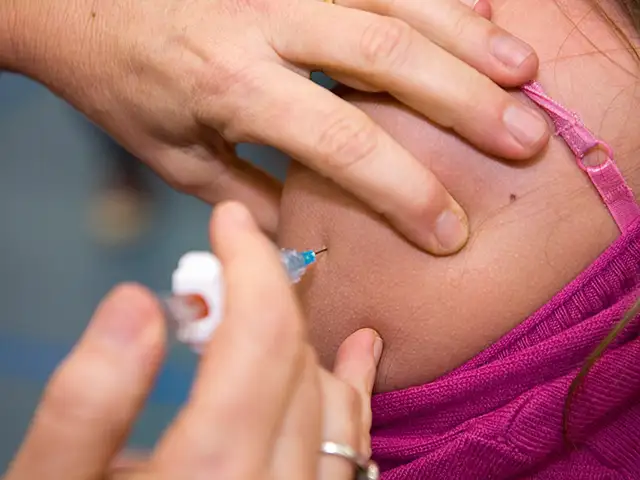
Myth: Pneumonia vaccines will protect you against coronavirus.

Reality: Vaccines against pneumonia, such as pneumococcal vaccine and Haemophilus influenza type B (Hib) vaccine, do not provide protection against coronavirus. The virus is so new and different that it needs its own vaccine. Researchers are trying to develop a vaccine against 2019-nCoV, and WHO is supporting their efforts. However, while they are not effective against 2019-nCoV, vaccination against respiratory illnesses is highly recommended to protect your health.
Myth: Pneumonia vaccines will protect you against coronavirus. Reality: Vaccines against pneumonia, such as pneumococcal vaccine and Haemophilus influenza type B (Hib) vaccine, do not provide protec..
Read More
Myth: Ultraviolet disinfection lamp can kill the coronavirus.

Reality: UV lamps should not be used to sterilise hands or other areas of skin. Far from killing the virus, the UV radiation can actually cause skin irritation.
Myth: Ultraviolet disinfection lamp can kill the coronavirus. Reality: UV lamps should not be used to sterilise hands or other areas of skin. Far from killing the virus, the UV radiation can actuall..
Read More
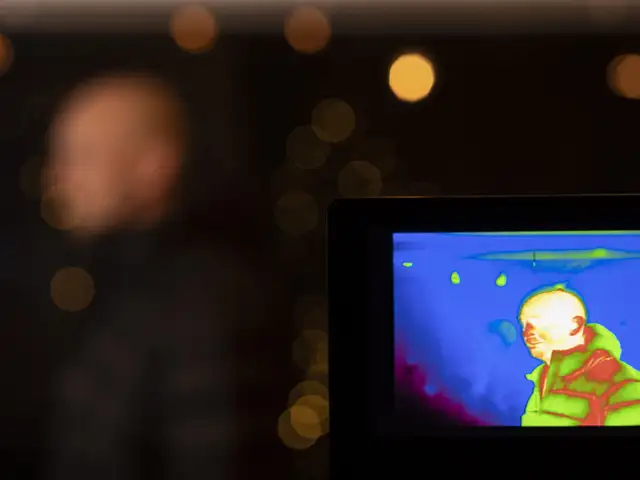
Myth: Thermal scanners can help detect infected people.

Reality: Thermal scanners are effective in detecting people who have developed a fever due to the coronavirus infection. However, they cannot detect people who are infected but are not yet sick with the fever. This is because it takes between two and 10 days before people who are infected become sick and develop a fever.
Myth: Thermal scanners can help detect infected people. Reality: Thermal scanners are effective in detecting people who have developed a fever due to the coronavirus infection. However, they cannot ..
Read More
Myth: Spraying alcohol or chlorine all over the body kill the coronavirus.

Reality: Spraying alcohol or chlorine all over your body will not kill viruses that have already entered your body. In fact, spraying such substances can be harmful to clothes or mucous membranes (ie eyes, mouth). Be aware that both alcohol and chlorine can be used to disinfect surfaces, but they need to be used under appropriate recommendations.
Myth: Spraying alcohol or chlorine all over the body kill the coronavirus. Reality: Spraying alcohol or chlorine all over your body will not kill viruses that have already entered your body. In fact..
Read More
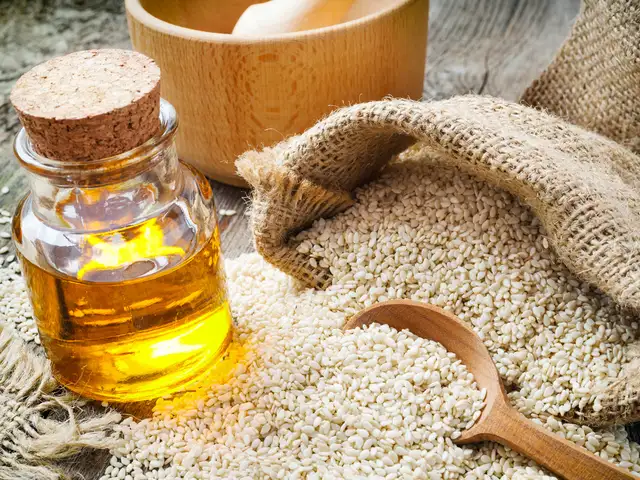
Myth: Putting on sesame oil will block the coronavirus from entering the body.

Reality: Sesame oil does not kill coronavirus. There are some chemical disinfectants that can kill the 2019-nCoV on surfaces. These include bleach or chlorine-based disinfectants, solvents, 75 per cent ethanol, peracetic acid and chloroform. However, they have little or no impact on the virus if you put them on the skin or under your nose. It can even be dangerous to put these chemicals on your skin.
Myth: Putting on sesame oil will block the coronavirus from entering the body. Reality: Sesame oil does not kill coronavirus. There are some chemical disinfectants that can kill the 2019-nCoV on sur..
Read More
Myth: Coronavirus mainly affects older people.

Reality: People of all ages can be infected by the 2019-nCoV. Older people, and people with preexisting medical conditions [such as asthma, diabetes, heart disease] appear to be more vulnerable. But WHO has advised people of all ages to take steps to protect themselves from the virus.
Myth: Coronavirus mainly affects older people. Reality: People of all ages can be infected by the 2019-nCoV. Older people, and people with preexisting medical conditions [such as asthma, diabetes, h..
Read More
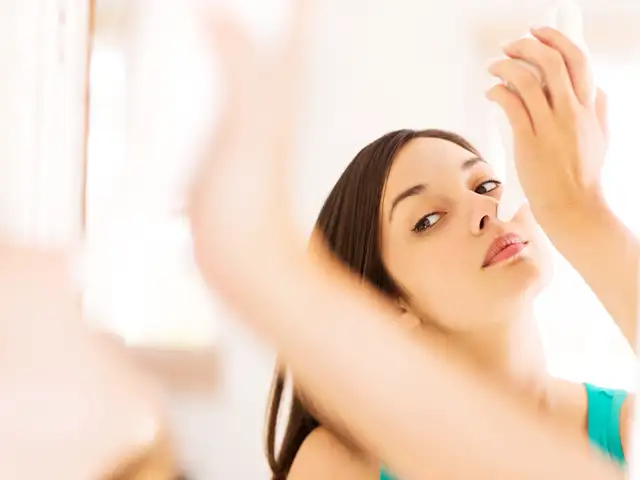
Myth: Rinsing your nose with saline will help prevent coronavirus infection.

Reality: There is no evidence that regularly rinsing the nose with saline has protected people from a coronavirus infection. But there is some limited evidence that regularly rinsing nose with saline can help people recover more quickly from a common cold. However, regularly rinsing the nose has not been shown to prevent respiratory infections.
Myth: Rinsing your nose with saline will help prevent coronavirus infection. Reality: There is no evidence that regularly rinsing the nose with saline has protected people from a coronavirus infecti..
Read More
Myth: It’s not safe to receive letters or packages from China.

Reality: It is safe to receive letters and packages from China. People receiving packages from China are not at risk of contracting the coronavirus. From previous analysis, we know that coronaviruses do not survive long on objects such as letters or packages.
Myth: It’s not safe to receive letters or packages from China. Reality: It is safe to receive letters and packages from China. People receiving packages from China are not at risk of contracting the..
Read More
Myth: Pets at home can spread the coronavirus

Reality: At present, there is no evidence that companion animals or pets such as dogs or cats can be infected with the coronavirus. However, it is always a good idea to wash your hands with soap and water after contact with these pets. This will protect you against various common bacteria such as E.coli and Salmonella that can pass between pets and humans.
Myth: Pets at home can spread the coronavirus Reality: At present, there is no evidence that companion animals or pets such as dogs or cats can be infected with the coronavirus. However, it is alway..
Read More
Download
The Economic Times Business News App
for the Latest News in Business, Sensex, Stock Market Updates & More.
READ MORE
ADVERTISEMENT

READ MORE:

LOGIN & CLAIM

50 TIMESPOINTS

More from our Partners

Loading next story
Business News › Magazines › Panache › Fans' love after news of 'small heart attack' overwhelms Brian May, Queen singer says his life's complete now
Text Size:AAA
Success
This article has been saved

*

+