Ex-adman Aditya Mehta’s Art&Found wants to democratise art in India

By making the search for it easier, Mehta is uncomplicating art.

BCCL
Aditya Mehta says, “We uncomplicate art.” An ex-Ogilvy adman, he quit his job to start Art&Found — a platform that debunks myths that surround contemporary art in India.

Launched in October 2016, Art&Found has grown to a platform with over 250 top young Indian artists. From selling art online to curating spaces and projects, it is redefining how we consume art today.

An excerpt from a conversation with Mehta:


Tell us about your venture.
Art&Found is a curated platform for affordable art. We cater to 25 to 40 year olds who want to buy art within the price range of Rs 1,800–Rs 25,000 for their homes and offices. Art&Found is also the go-to curator for brands.

How is Art&Found relevant to businesses?
Today, brands are more receptive to the importance of art in business functions — from space design to projects, events and collaborations. So, how can a collective of homegrown artists come up with creative business solutions? Whether it’s putting up art at WeWork, customising denim for Levi’s or building installations out of Kohler’s products, our role is to fulfill a brand’s needs creatively.

Scribbles, Scratches And Other Abstract Pieces Of Art That Made Millions
1/6
Who says a scribble or a scratch is worthless? Check out these abstracts which sold for a fortune thanks to their minimalistic allure.
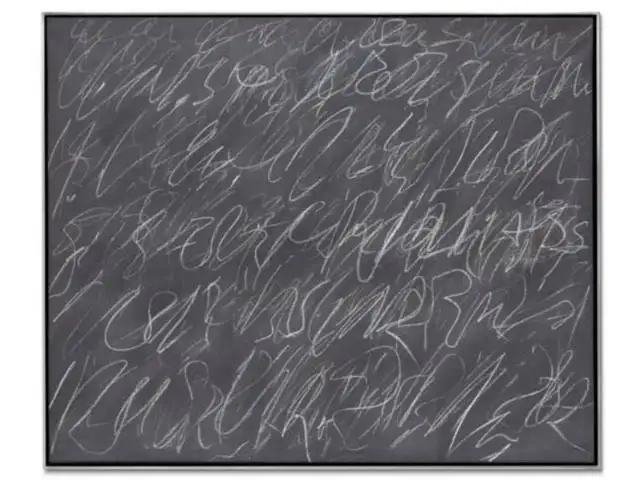
Cost: $70.5 million

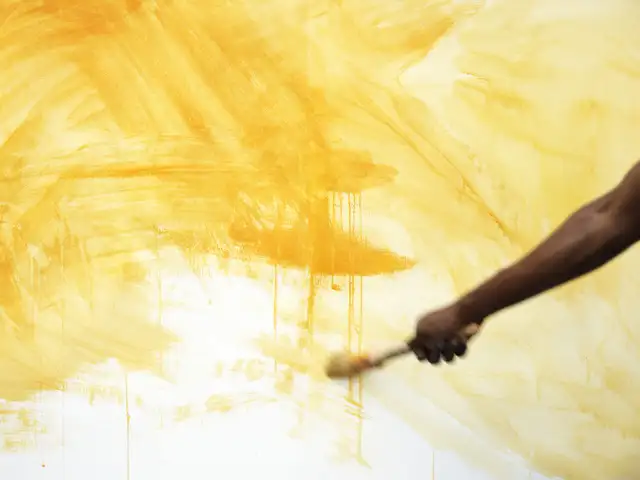
What seems like chalk scribbles on a slate is actually an oil-based house paint and crayon artwork on canvas by Edwin Parker ‘Cy’ Twombly Jr, which fetched a record price for the artist in Christie’s 2014 sale. Part of Twombly’s ‘blackboard’ paintings, the 1970 artwork is inspired by his stint in Pentagon as a cryptologist. What’s interesting is the way he produced this artwork. He sat on the shoulders of a friend, who kept on walking along the length of the canvas, enabling Twombly to create fluid lines. The painting’s then owner, Audrey Irmas, a philanthropist, parted with the painting to raise funds for her foundation for social justice. Interestingly, Irmas bought the painting for $3.85 million in 1990.

(Image: www.christies.com)
Cost: $70.5 million What seems like chalk scribbles on a slate is actually an oil-based house paint and crayon artwork on canvas by Edwin Parker ‘Cy’ Twombly Jr, which fetched a record price for the..
Read More
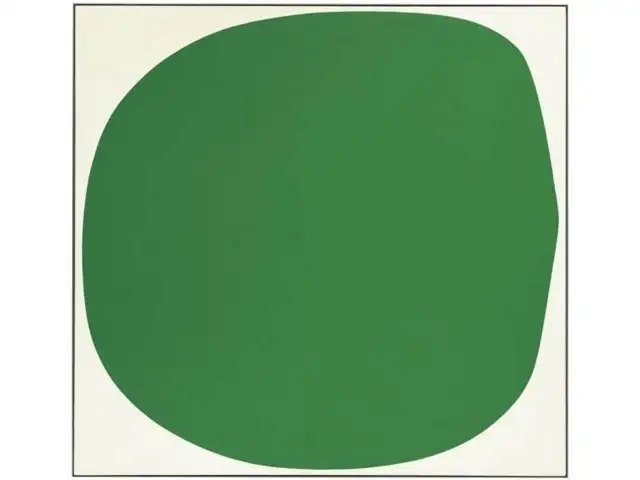
Cost: $1.65 million

Once part of the Robert and Jean Shoenberg collection, this 1961 artwork came into the market at Christie’s 2008 sale. Kelly was a camouflage artist during his stint in the army in the 1940s. He was a part of the unit known as ‘the Ghost army’ comprising artists and designers who painted objects that would misdirect enemy soldiers.

(Image: www.christies.com)
Cost: $1.65 million Once part of the Robert and Jean Shoenberg collection, this 1961 artwork came into the market at Christie’s 2008 sale. Kelly was a camouflage artist during his stint in the army ..
Read More
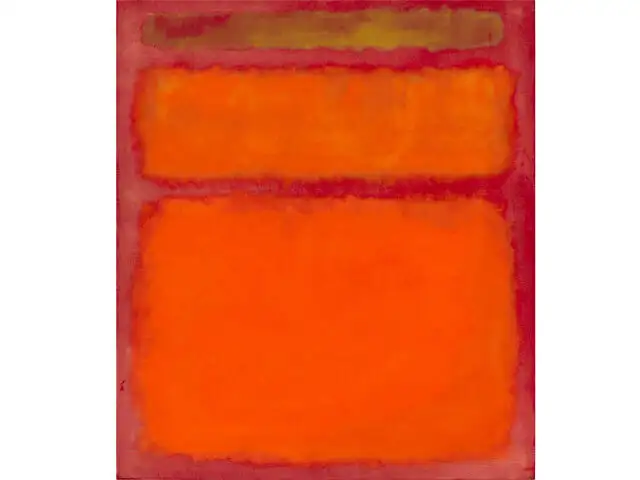
Cost: $86.88 million (including buyer’s premium)

The vibrant orange, red and yellow coloured rectangles was part of art collector David Pincus’s estate and was brought to the market by Christie’s in 2012 where its sale set the record for post war/ contemporary art at the time. Rothko’s 1961 work was in Pincus’s possession for four-and-a-half decades. The final bid was double the highest estimate of the artwork.

(Image: www.markrothko.org)
Cost: $86.88 million (including buyer’s premium) The vibrant orange, red and yellow coloured rectangles was part of art collector David Pincus’s estate and was brought to the market by Christie’s i..
Read More
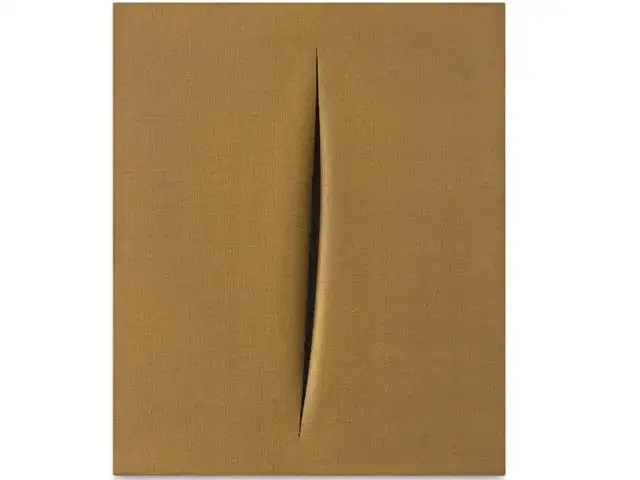
Cost: $16.2 million

The 24 sharp vertical tears on a crimson, water-painted seven- foot wide canvas was contested for about a minute and 30 seconds during Sotheby’s 2015 auction. Yet, the painting was sold below the low presale estimate of $15 million. Turns out, Fontana was inspired to paint this artwork watching Red Desert, a 1964 movie created by Michelangelo Antonioni, which won the Golden Lion in that year’s Venice Film Festival. In fact, the inscription on the back of the painting, in Italian, reads, “I returned yesterday from Venice, I saw Antonioni’s film!!!”

(Image: www.sothebys.com)
Cost: $16.2 million The 24 sharp vertical tears on a crimson, water-painted seven- foot wide canvas was contested for about a minute and 30 seconds during Sotheby’s 2015 auction. Yet, the painting ..
Read More
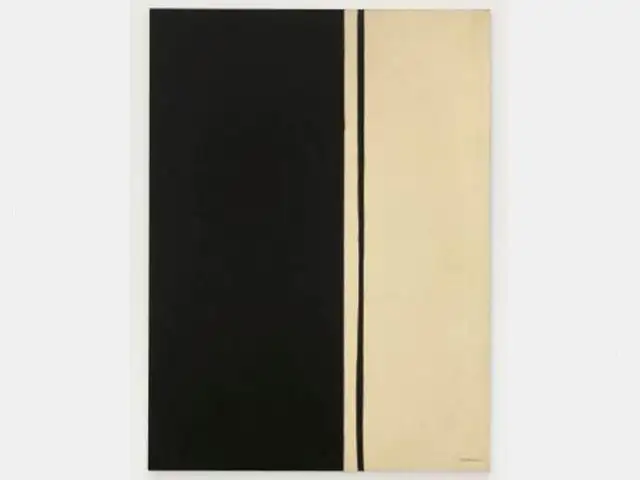
Cost: $84.16 million

Newman’s 1961 stark black palette on a pale canvas was part of Christie’s post-war and contemporary evening sale auction in 2014. Newman started dabbling in abstract expression while he was mourning the death of his younger brother George. About the painter’s black fixation, art expert Thomas Hess recalled Newman saying, “When an artist wants to change, when he wants to invent, he goes to black as it is a way of clearing the table-of getting to new ideas.” The painting is in the possession of a private collector now. Its previous owner had the painting for nearly 40 years.

(Image: www.christies.com)
Cost: $84.16 million Newman’s 1961 stark black palette on a pale canvas was part of Christie’s post-war and contemporary evening sale auction in 2014. Newman started dabbling in abstract expression..
Read More

Art is so subjective. How do you understand what a customer wants?
We’ve curated amazing art but sometimes people need help deciding. That’s where our curation comes in — selecting art based on taste, personality and décor. We have free consultations and site visits to suggest art that can transform blank walls of a home, workplace or restaurant into a vibrant space.

If someone is looking to do up their home or office, how can art change their space?
Art adds character and gives a vibe that projects your personality. Ever hear people say they don’t understand art? We fill that void by curating what we relate to and what we want. Art in the workplace can have a direct impact on productivity and well-being. Walk into any WeWork. You feel very different in a space that is blank as opposed to one with art.
ADVERTISEMENT

For more information: Visit www.artandfound.co Email hello@artandfound.co Call +919930763225
Nature, Interrupted: 8 Art Installations That Talk Green
1/7
Climate change, depleting water tables, growing carbon footprints. A bunch of artists recently took up the cause of the environment to highlight green concerns.

And the result was an impressive collection of art installations, created by eight artists from across the country, displayed at the Hungarian Information Cultural Centre (HICC) in the Capital.

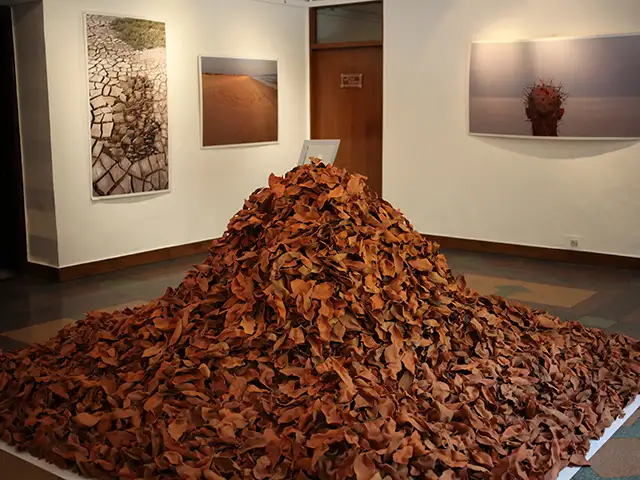
Here: 'Red Leaf', by ceramic artist Rahul Modak, looks at biodegradable waste in a new light. The dry leaves hint at a new life, while the colour symbolises 'reincarnation'. The tutelage covering a bucolic passageway leads towards an unknown destination, invoking hope.
Climate change, depleting water tables, growing carbon footprints. A bunch of artists recently took up the cause of the environment to highlight green concerns. And the result was an impressive coll..
Read More
Artist Puja Bahri reused and recycled an older installation work to question who is behind the damage on the environment. Her repertoire includes paintings, digital and video art, and sculpture, in a semi realistic style and a mix of abstraction and figuration.
Artist Puja Bahri reused and recycled an older installation work to question who is behind the damage on the environment. Her repertoire includes paintings, digital and video art, and sculpture, in a..
Read More
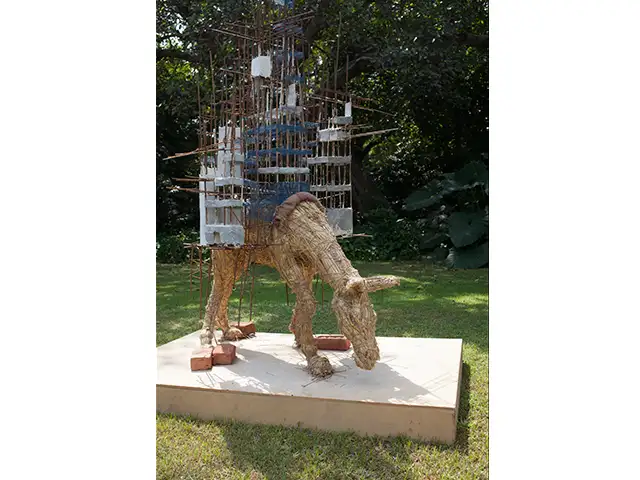
Devika Swaroop's 'chal' - which in Hindi means to walk, and is also an informal usage of construction implying work flow - reflects on the condition how haphazard, economic development is causing long-term damage to the environment. Through the installation, she drives home the point that a growing concrete jungle has resulted in a shrinking ecosystem.
Devika Swaroop's 'chal' - which in Hindi means to walk, and is also an informal usage of construction implying work flow - reflects on the condition how haphazard, economic development is causing lon..
Read More
Sculptor Balagopalan used his installation, 'This too shall pass', to delve into the relationship between human beings and nature. He explores an idea of slowness that contradicts the fast, linear mode of experiencing life in urban contexts. In the contemporary world, there is an awareness about the gradual degradation of nature and the need to conserve it for future generations which often is in conflict with the urban, materialistic mode of life.
Sculptor Balagopalan used his installation, 'This too shall pass', to delve into the relationship between human beings and nature. He explores an idea of slowness that contradicts the fast, linear mo..
Read More
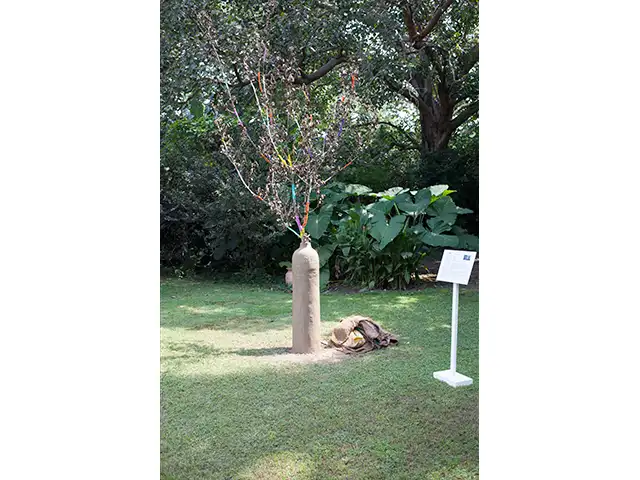
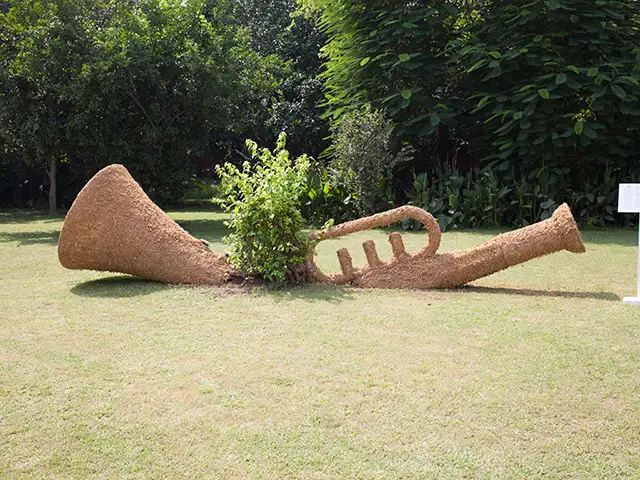
Artists Shubhangi and Harinder worked in collaboration on the interactive installation, using foam of gas cylinders, found tree branches. The installation poses questions on the effects of consumerism and the future.
Artists Shubhangi and Harinder worked in collaboration on the interactive installation, using foam of gas cylinders, found tree branches. The installation poses questions on the effects of consumeris..
Read More
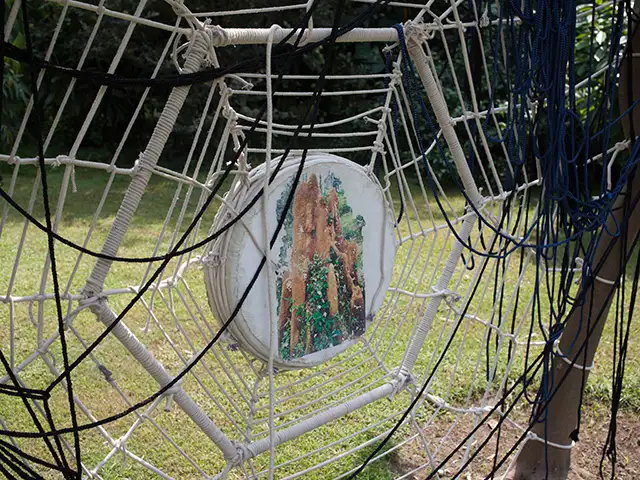
Anoop Panicker turned to the Himalayan ranges and mythology for inspiration. His work 'Myth and Coexistence' that depicts a web made of cotton ropes between two trees with an image of an ant hill in the centre.
Anoop Panicker turned to the Himalayan ranges and mythology for inspiration. His work 'Myth and Coexistence' that depicts a web made of cotton ropes between two trees with an image of an ant hill in ..
Read More
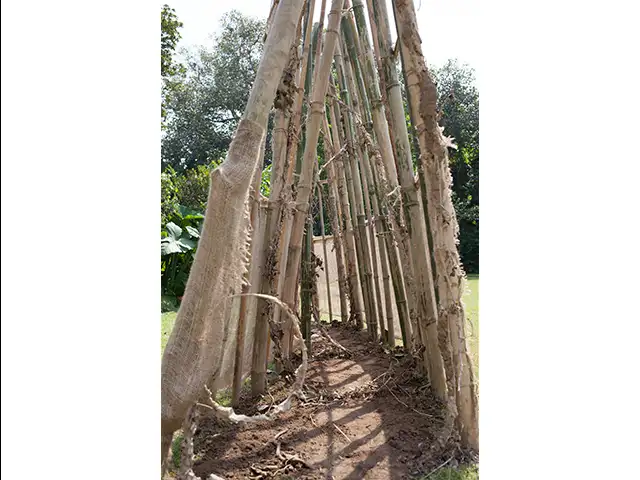
Through mud, bamboo and cloth, Abhinav Yagnik raises concerns about irresponsible corporate agriculture that is destroying the soil's fertility. The interior of the structure also borrows formal qualities of Acacia auriculiformis fruit. Acacia, a foreign tree, was brought to the Indian subcontinent from Australia in the 1940s. Being from a harsh environment, the tree does not allow the local vegetation in India to thrive.

The installation, a narrow passage with two openings, is made out of locally-sourced biodegradable material. The viewer enters into the passage walks through it, physically experiences the form and structure. Since the passage is narrow, there is discomfort while passing through it.
Through mud, bamboo and cloth, Abhinav Yagnik raises concerns about irresponsible corporate agriculture that is destroying the soil's fertility. The interior of the structure also borrows formal qual..
Read More

Download
The Economic Times Business News App
for the Latest News in Business, Sensex, Stock Market Updates & More.
READ MORE
ADVERTISEMENT

READ MORE:

LOGIN & CLAIM

50 TIMESPOINTS

More from our Partners

Loading next story
Business News › Magazines › Panache › Ex-adman Aditya Mehta’s Art&Found wants to democratise art in India
Text Size:AAA
Success
This article has been saved

*

+