End 2020 on a good note, read 5 books recommended by Bill Gates, this holiday season
Gates wrote that there were times when he wanted to dwelve deeper into social issues like Black Lives Matter protests.
By ET Online |

Agencies
2020 was a challenging year. With majority of the global population locked up indoors, bibliophiles couldn't help but seek refuge in the world of books to escape the tough times. As they say, tough times don't last - tough people do. And since 2020 qualifies as tough times, as Bill Gates says in his blog post, there's no better time to read a book than now.
In a no-holds-barred blog post, Gates wrote that there were times when he wanted to dwelve deeper into social issues like Black Lives Matter protests which took the centerstage this year but there were days when he needed a 'change of pace' and read something lighter.
As a result, Gates's recommendation includes a wide range of books. 'Here are five books on a variety of subjects that I’d recommend as we wrap up 2020,' wrote the tech mogul as he shared his coveted reading list. Here are the books that find a spot on the list:
1. The New Jim Crow: Mass Incarceration in the Age of Colorblindness, by Michelle Alexander
Alexander’s book offers an eye-opening look into how the criminal justice system unfairly targets communities of color, and especially Black communities. It’s especially good at explaining the history and the numbers behind mass incarceration.
2. Range: Why Generalists Triumph in a Specialized World, by David Epstein
In this fascinating book, Epstein argues that although the world seems to demand more and more specialization—in your career, for example—what we actually need is more people “who start broad and embrace diverse experiences and perspectives while they progress.”
3. The Splendid and the Vile: A Saga of Churchill, Family, and Defiance During the Blitz, by Erik Larson
This is a brilliant account of the years 1940 and 1941, when English citizens spent almost every night huddled in basements and Tube stations as Germany tried to bomb them into submission. The fear and anxiety they felt—while much more severe than what we’re experiencing with COVID-19—sounded familiar.
4. The Spy and the Traitor: The Greatest Espionage Story of the Cold War, by Ben Macintyre
This nonfiction account focuses on Oleg Gordievsky, a KGB officer who became a double agent for the British, and Aldrich Ames, the American turncoat who likely betrayed him. Macintyre’s retelling of their stories comes not only from Western sources (including Gordievsky himself) but also from the Russian perspective.
5. Breath from Salt: A Deadly Genetic Disease, a New Era in Science, and the Patients and Families Who Changed Medicine, by Bijal P. Trivedi
This book documents a story of remarkable scientific innovation and how it has improved the lives of almost all cystic fibrosis patients and their families.
Happy reading!
In a no-holds-barred blog post, Gates wrote that there were times when he wanted to dwelve deeper into social issues like Black Lives Matter protests which took the centerstage this year but there were days when he needed a 'change of pace' and read something lighter.
As a result, Gates's recommendation includes a wide range of books. 'Here are five books on a variety of subjects that I’d recommend as we wrap up 2020,' wrote the tech mogul as he shared his coveted reading list. Here are the books that find a spot on the list:
1. The New Jim Crow: Mass Incarceration in the Age of Colorblindness, by Michelle Alexander
Alexander’s book offers an eye-opening look into how the criminal justice system unfairly targets communities of color, and especially Black communities. It’s especially good at explaining the history and the numbers behind mass incarceration.
2. Range: Why Generalists Triumph in a Specialized World, by David Epstein
In this fascinating book, Epstein argues that although the world seems to demand more and more specialization—in your career, for example—what we actually need is more people “who start broad and embrace diverse experiences and perspectives while they progress.”
ADVERTISEMENT
3. The Splendid and the Vile: A Saga of Churchill, Family, and Defiance During the Blitz, by Erik Larson
This is a brilliant account of the years 1940 and 1941, when English citizens spent almost every night huddled in basements and Tube stations as Germany tried to bomb them into submission. The fear and anxiety they felt—while much more severe than what we’re experiencing with COVID-19—sounded familiar.
4. The Spy and the Traitor: The Greatest Espionage Story of the Cold War, by Ben Macintyre
This nonfiction account focuses on Oleg Gordievsky, a KGB officer who became a double agent for the British, and Aldrich Ames, the American turncoat who likely betrayed him. Macintyre’s retelling of their stories comes not only from Western sources (including Gordievsky himself) but also from the Russian perspective.
5. Breath from Salt: A Deadly Genetic Disease, a New Era in Science, and the Patients and Families Who Changed Medicine, by Bijal P. Trivedi
This book documents a story of remarkable scientific innovation and how it has improved the lives of almost all cystic fibrosis patients and their families.
ADVERTISEMENT
Happy reading!
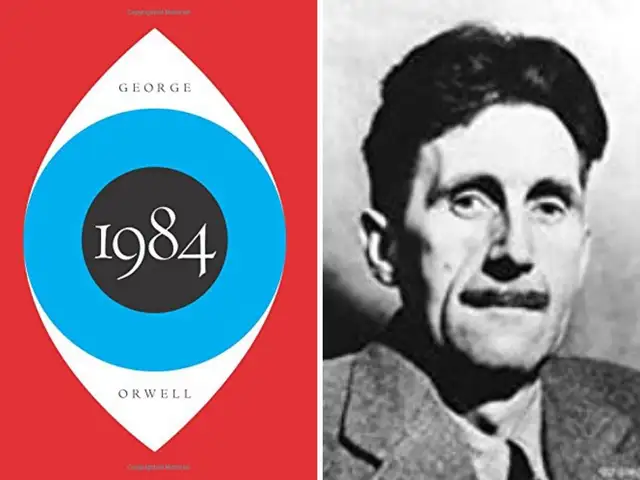
A look back at the different times when authors unleashed the Nostradamus in them and came up with something that was years ahead of its time.

Download
The Economic Times Business News App for the Latest News in Business, Sensex, Stock Market Updates & More.
The Economic Times Business News App for the Latest News in Business, Sensex, Stock Market Updates & More.
ADVERTISEMENT


