Earth is losing its glow. Blame climate change, says new study
Warming ocean waters have caused a drop in the brightness of the Earth.
By PTI |

iStock
WASHINGTON: Warming ocean waters have caused a drop in the brightness of the Earth, according to a study which found that our planet is now reflecting about half a watt less light per square metre than it was 20 years ago. The study, published in the journal Geophysical Research Letters, used decades of measurements of earthshine - the light reflected from Earth that illuminates the surface of the Moon.
The researchers also analysed satellite measurements, finding that there has been a significant drop in Earth's reflectance, or albedo, over the past two decades.
They found that Earth is now reflecting about half a watt less light per square metre than it was 20 years ago, with most of the drop occurring in the last three years of earthshine data.
That is the equivalent of 0.5 per cent decrease in the Earth's reflectance, according to the researchers.
Earth reflects about 30 per cent of the sunlight that shines on it, they noted.
"The albedo drop was such a surprise to us when we analysed the last three years of data after 17 years of nearly flat albedo," said Philip Goode, a researcher at New Jersey Institute of Technology and the lead author of the study.
Goode was referring to the earthshine data from 1998 to 2017 gathered by the Big Bear Solar Observatory in Southern California.
When the latest data were added to the previous years, the dimming trend became clear, the researchers said.
They noted that two things affect the net sunlight reaching the Earth: the Sun's brightness and the planet's reflectivity.
The changes in Earth's albedo observed by the researchers did not correlate with periodic changes in the Sun's brightness, meaning changes in Earth's reflectiveness are caused by something on the Earth.
There has been a reduction of bright, reflective low-lying clouds over the eastern Pacific Ocean in the most recent years, according to satellite measurements made as part of NASA's Clouds and the Earth's Radiant Energy System (CERES) project.
That is the same area where increases in sea surface temperatures have been recorded because of the reversal of a climatic condition with likely connections to global climate change, according to the researchers.
The dimming of the Earth can also be seen in terms of how much more solar energy is being captured by Earth's climate system, they said.
Once this significant additional solar energy is in Earth's atmosphere and oceans, it may contribute to global warming, the researchers explained.
This is because the extra sunlight is of the same magnitude as the total anthropogenic climate forcing, or a number of human-induced factors, over the last two decades, they added.
"It's actually quite concerning," said Edward Schwieterman, a planetary scientist at the University of California at Riverside who was not involved in the study.
Many scientists had hoped that a warmer Earth might lead to more clouds and higher albedo, which would then help to moderate warming and balance the climate system, he said.
"But this shows the opposite is true," Schwieterman added.
The researchers also analysed satellite measurements, finding that there has been a significant drop in Earth's reflectance, or albedo, over the past two decades.
They found that Earth is now reflecting about half a watt less light per square metre than it was 20 years ago, with most of the drop occurring in the last three years of earthshine data.
That is the equivalent of 0.5 per cent decrease in the Earth's reflectance, according to the researchers.
Earth reflects about 30 per cent of the sunlight that shines on it, they noted.
"The albedo drop was such a surprise to us when we analysed the last three years of data after 17 years of nearly flat albedo," said Philip Goode, a researcher at New Jersey Institute of Technology and the lead author of the study.
ADVERTISEMENT
Goode was referring to the earthshine data from 1998 to 2017 gathered by the Big Bear Solar Observatory in Southern California.
When the latest data were added to the previous years, the dimming trend became clear, the researchers said.
They noted that two things affect the net sunlight reaching the Earth: the Sun's brightness and the planet's reflectivity.
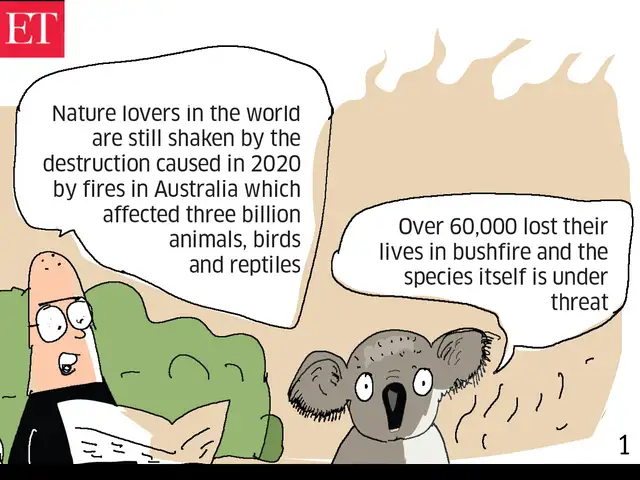
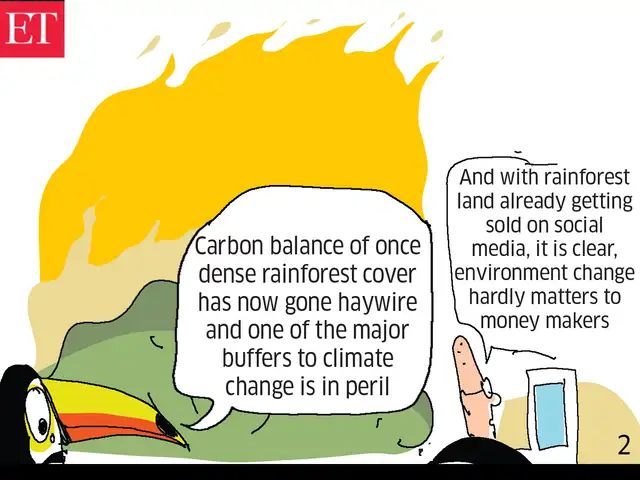
Nature lovers in the world are still shaken by the destruction caused in 2020 by fires in Australia which affected three billion animals, birds and reptiles, Specially affected were the koalas, native to Australia.





The changes in Earth's albedo observed by the researchers did not correlate with periodic changes in the Sun's brightness, meaning changes in Earth's reflectiveness are caused by something on the Earth.
ADVERTISEMENT
There has been a reduction of bright, reflective low-lying clouds over the eastern Pacific Ocean in the most recent years, according to satellite measurements made as part of NASA's Clouds and the Earth's Radiant Energy System (CERES) project.
That is the same area where increases in sea surface temperatures have been recorded because of the reversal of a climatic condition with likely connections to global climate change, according to the researchers.
ADVERTISEMENT
The dimming of the Earth can also be seen in terms of how much more solar energy is being captured by Earth's climate system, they said.
Once this significant additional solar energy is in Earth's atmosphere and oceans, it may contribute to global warming, the researchers explained.
This is because the extra sunlight is of the same magnitude as the total anthropogenic climate forcing, or a number of human-induced factors, over the last two decades, they added.
"It's actually quite concerning," said Edward Schwieterman, a planetary scientist at the University of California at Riverside who was not involved in the study.
Many scientists had hoped that a warmer Earth might lead to more clouds and higher albedo, which would then help to moderate warming and balance the climate system, he said.
"But this shows the opposite is true," Schwieterman added.
Download
The Economic Times Business News App for the Latest News in Business, Sensex, Stock Market Updates & More.
The Economic Times Business News App for the Latest News in Business, Sensex, Stock Market Updates & More.
Related Articles
 Brazil emerges as major rare earths source for India
ADVERTISEMENT


