Earth is healing as world carbon pollution falls 17% during peak of coronavirus pandemic
This is the biggest annual drop in carbon emissions since World War II.
By PTI |
Getty Images
India and Europe cut emissions by 26% and 27% respectively.
KENSINGTON (US): The world cut its daily carbon dioxide emissions by 17% at the peak of the pandemic shutdown last month, a new study found. But with life and heat-trapping gas levels inching back toward normal, the brief pollution break will likely be "a drop in the ocean" when it comes to climate change, scientists said.
In their study of carbon dioxide emissions during the coronavirus pandemic, an international team of scientists calculated that pollution levels are heading back up - and for the year will end up between 4% and 7% lower than 2019 levels.
That's still the biggest annual drop in carbon emissions since World War II.
It'll be 7% if the strictest lockdown rules remain all year long across much of the globe, 4% if they are lifted soon.
For a week in April, the United States cut its carbon dioxide levels by about one-third.
China, the world's biggest emitter of heat-trapping gases, sliced its carbon pollution by nearly a quarter in February, according to a study Tuesday in the journal Nature Climate Change. India and Europe cut emissions by 26% and 27% respectively.
ADVERTISEMENT
The biggest global drop was from April 4 through 9 when the world was spewing 18.7 million tons (17 million metric tons) of carbon pollution a day less than it was doing on New Year's Day.
Such low global emission levels haven't been recorded since 2006. But if the world returns to its slowly increasing pollution levels next year, the temporary reduction amounts to ''a drop in the ocean," said study lead author Corinne LeQuere, a climate scientist at the University of East Anglia.
"It's like you have a bath filled with water and you're turning off the tap for 10 seconds," she said.
ADVERTISEMENT
By April 30, the world carbon pollution levels had grown by 3.3 million tons (3 million metric tons) a day from its low point earlier in the month. Carbon dioxide stays in the air for about a century.
Outside experts praised the study as the most comprehensive yet, saying it shows how much effort is needed to prevent dangerous levels of further global warming.
ADVERTISEMENT
"That underscores a simple truth: Individual behavior alone ... won't get us there," Pennsylvania State University climate scientist Michael Mann, who wasn't part of the study, said in an email.
"We need fundamental structural change."
China, the world's biggest emitter of heat-trapping gases, sliced its carbon pollution by nearly a quarter in February. If the world could keep up annual emission cuts like this without a pandemic for a couple decades, there's a decent chance Earth can avoid warming another 1.8 degrees (1 degree Celsius) of warming from now, study authors said. But getting the type of yearly cuts to reach that international goal is unlikely, they said.
If next year returns to 2019 pollution levels, it means the world has only bought about a year's delay in hitting the extra 1.8 degrees (1 degree Celsius) of warming that leaders are trying to avoid, LeQuere said. That level could still occur anywhere from 2050 to 2070, the authors said.
The study was carried out by Global Carbon Project, a consortium of international scientists that produces the authoritative annual estimate of carbon dioxide emissions. They looked at 450 databases showing daily energy use and introduced a measurement scale for pandemic-related societal "confinement" in its estimates.
Nearly half the emission reductions came from less transportation pollution, mostly involving cars and trucks, the authors said. By contrast, the study found that drastic reductions in air travel only accounted for 10% of the overall pollution drop.
In the US, the biggest pollution declines were seen in California and Washington with plunges of more than 40%.
Going Green: Top Electric Cars In India For Environmentally-Conscious People
1/5
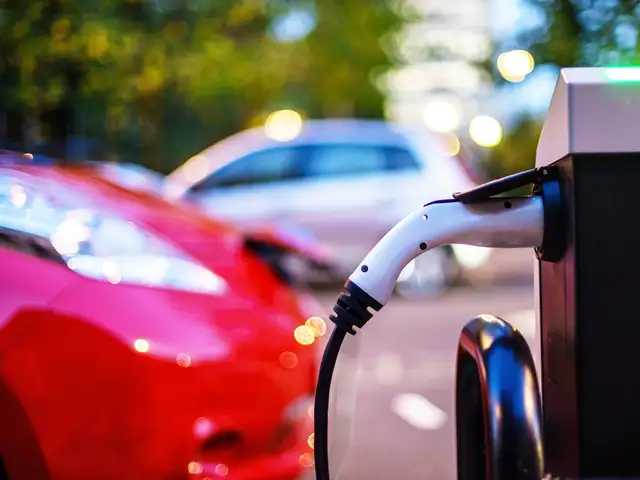
With pollution on the rise in many cities in India, these electric vehicles are a solution to the problem for people who care about the environment.
With pollution on the rise in many cities in India, these electric vehicles are a solution to the problem for people who care about the environment.
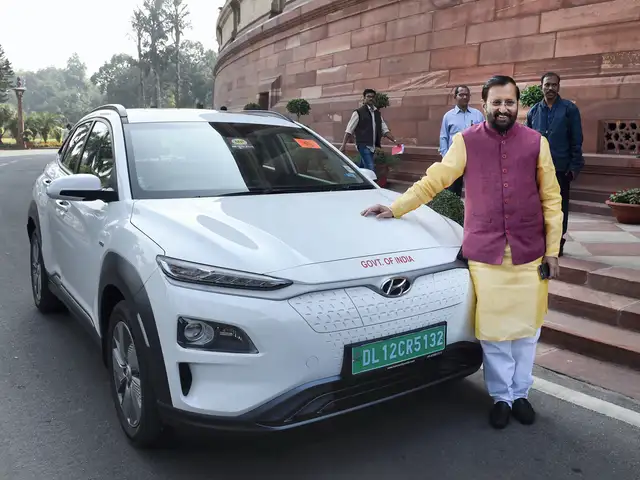
Environment Minister Prakash Javadekar arrived for the winter session of Parliament in an electric car recently. He told a news agency that the government was gradually switching to pollution-free cars. He urged people to also do likewise or use public transport.
These are the cars in India which are fully electric.
Environment Minister Prakash Javadekar arrived for the winter session of Parliament in an electric car recently. He told a news agency that the government was gradually switching to pollution-free ca..
Read More
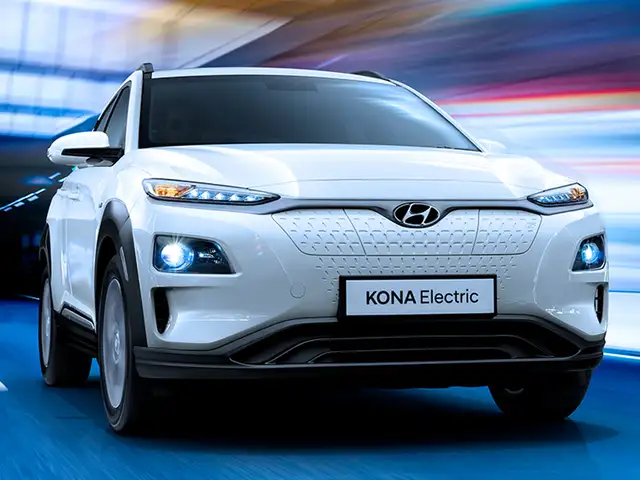
This was the car that Javadekar chose to make his entry for the Parliamentary session in. The car has a 134hp permanent-magnet synchronous electric motor. This is powered by a high-voltage 39.2 kWh advanced lithium-ion polymer battery. The car can do a maximum range of 452 km on a full charge. The battery can be fully charged in seven to eight hours using standard charging. Fast charging of the battery can go to 80 per cent in 54 minutes.
This was the car that Javadekar chose to make his entry for the Parliamentary session in. The car has a 134hp permanent-magnet synchronous electric motor. This is powered by a high-voltage 39.2 kWh a..
Read More
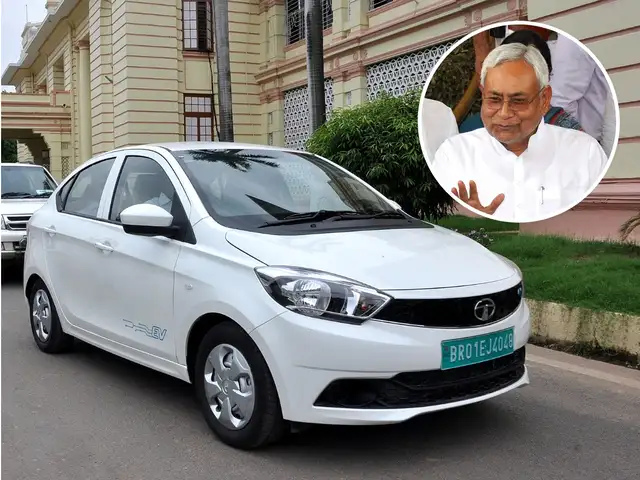
With a 21.5 kWh battery pack, the car can do 213 km on a single charge. The car has two charging ports for fast charging and slow AC charging. Bihar Chief Minister Nitish Kumar was seen using the car to arrive for the Monsoon session of the state assembly. He had praised the vehicle's design as well as its lack of sound. He called it comfortable back in July.
With a 21.5 kWh battery pack, the car can do 213 km on a single charge. The car has two charging ports for fast charging and slow AC charging. Bihar Chief Minister Nitish Kumar was seen using the car..
Read More
The car can do 140km on a single charge with its electric motor and a 72V lithium-ion battery pack. The battery can be fully charged in one hour and 45 minutes using a fast charger. With a regular charger, it takes about eight hours to charge. The e-Verito's top speed is 86 kmph. It is available in three variants.
The car can do 140km on a single charge with its electric motor and a 72V lithium-ion battery pack. The battery can be fully charged in one hour and 45 minutes using a fast charger. With a regular ch..




 After Coronavirus, Hantavirus now spreading across U.S. — symptoms, treatment, vaccines, and is it life-threatening?2025-06-13T14:51:41Z

