The Duckworth-Lewis-Stern (DLS) system is the GST of cricket.
Meet the men behind the Duckworth-Lewis-Stern system that featured prominently during the India-Pakistan match over the weekend.
The Duckworth-Lewis-Stern (DLS) system is the GST of cricket. Relatively simple on paper, it involves complex calculations in real life. Cricketers themselves do not fully grasp the DLS, though most of them accept that in the absence of anything better, it is the fairest way of conducting weather-interrupted matches.
During the India-Pakistan match at the World Cup, commentators Virender Sehwag, Sachin Tendulkar and Sourav Ganguly, none of whom were ever Fields Medal contenders, admitted being clean bowled by the rule. Sehwag cleverly put Ganguly on the spot. Had Ganguly, by virtue of being captain, figured out the DLS system?
Without looking at Sehwag, Ganguly dead-panned, “It will take an entire day to try to explain it.” Here is a very basic definition of DLS. Earlier, if weather interrupted a match, the target would be revised simply based on the run rate at which the first team had scored. Under DLS, even wickets lost by the team batting second are taken into consideration.
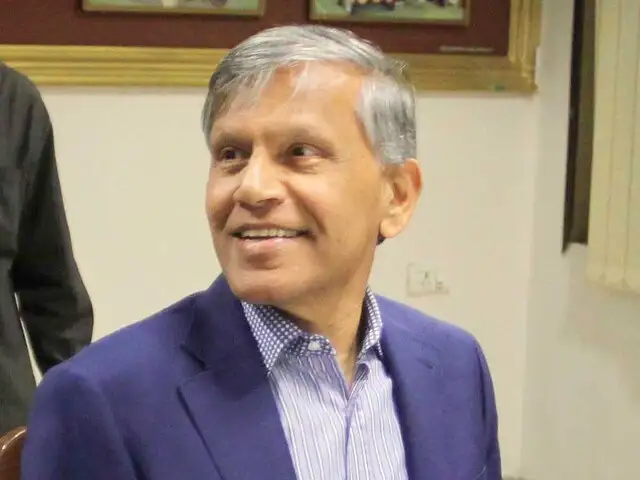
The men behind the maths Frank Duckworth, 79, is a statistician who was the editor of the British Royal Statistical Society Journal. His lone cricket achievement was 11 not out in a school game. And he once rented a room in the house of John Lennon’s aunt Mimi.
ADVERTISEMENT
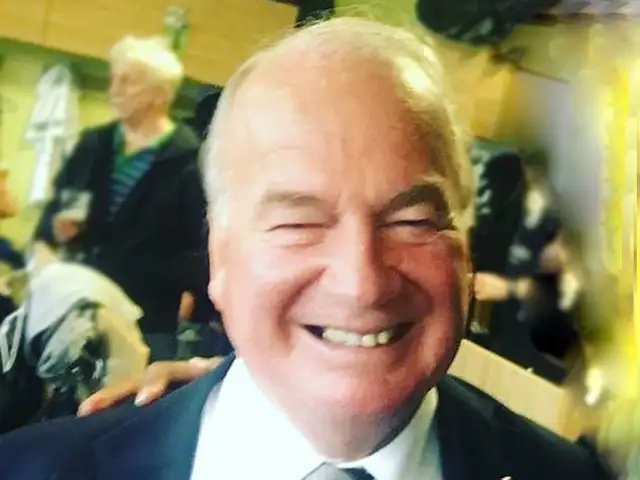
Tony Lewis, 77, is a mathematician with degrees in mathematics and statistics from Shef field University. He retired as a lecturer of Quantitative Research Methods from Oxford Brookes University. Duckworth and Lewis are both MBEs (Order of the Member of the British Empire).
Steven Stern, in charge of updating and implementing the Duckworth-Lewis method after the retirement of the founders, is an American who had not heard of cricket for the longest time. He got acquainted with the game when he met Australians during his student days at Stanford University. Stern then moved to Australia, and his ties with the sport strengthened. He is currently a professor of Data Science at Bond University, Gold Coast.
How the method came to be If not for 12 minutes of rain in Sydney in 1992, DLS may not have existed. But the prevalent rain rule during the 1992 World Cup made a mockery of the semi-final between England and South Africa, triggering a desperate search for a better method. England batted first and scored 252. In response, South Africa were 231 for six, needing just 22 off 13 balls, when rain stopped play for 12 minutes.
ADVERTISEMENT
South Africa’s target was revised as per the existing method — the MPO (Most Productive Overs) to an impossible 21 from one ball (the scoreboard wrongly flashed 22). South African players and the game’s followers and custodians were outraged. Among those who made an anguished plea for the weather rules to be changed was the respected cricket writer Christopher Martin Jenkins. And listening to CMJ on radio was a statistician named Frank Duckworth.
“I recall hearing Christopher Martin-Jenkins on radio saying, ‘Surely someone, somewhere could come up with something better’ and I soon realised that it was a mathematical problem that required a mathematical solution,” Duckworth said in an interview.
ADVERTISEMENT
Lewis soon came on board and the Duckworth-Lewis method was accepted by the International Cricket Council (ICC) in 1997. Such are the variables of the sport, though, that it hasn’t always gone down well with players and fans. In fact, an Indian engineer named V Jayadevan has developed his own system called the VJD, which, he says, is better than DLS. For now, though, DLS remain the ABC of resolving weather-affected matches.
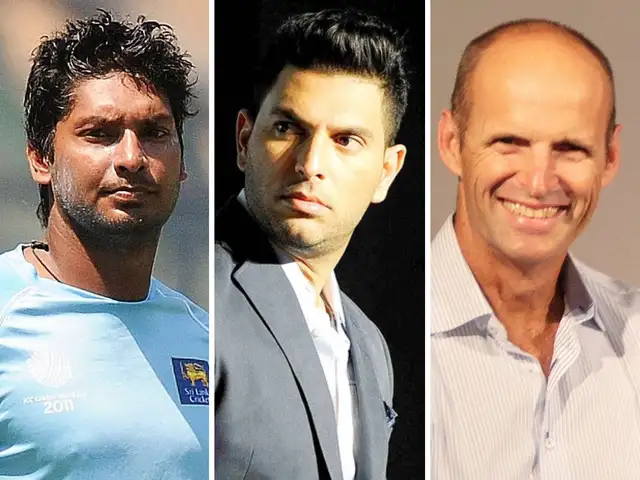
Sangakkara, Yuvi, Gary Kirsten: Retired Cricketers Who Scored Big In Their Second Innings As Businessmen
1/7
Here are some cricketers who have dabbled with entrepreneurship to augment their considerable wealth post retirement.
Here are some cricketers who have dabbled with entrepreneurship to augment their considerable wealth post retirement.
Born in 1940, Fearnley had a phenomenal record at school level, but his professional career never took off. He began crafting cricket bats during the winter months to supplement his flagging income as a first class cricketer. A fringe player for Yorkshire, and then Worcestershire, Fearnley began marketing his gear among teammates and contemporaries. By the 1980s, the brand had acquired market dominance, with Ian Botham, Sunil Gavaskar, and Clive Lloyd among the cricketers using Fearnley products. The company currently produces roughly 5,000 bats a year and is popular among players in the county circuit.
(Image: Instagram/@rashwin99)
Born in 1940, Fearnley had a phenomenal record at school level, but his professional career never took off. He began crafting cricket bats during the winter months to supplement his flagging income ..
Read More
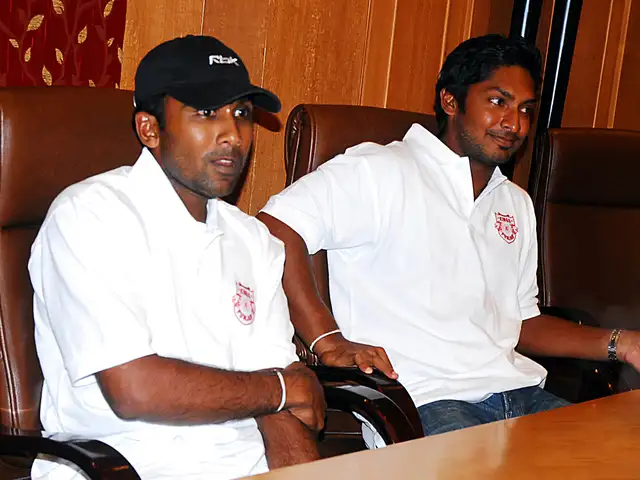
The Sri Lankan duo, famous for amicably sharing captaincy during their playing days, now co-owns Ministry of Crab, a chain of seafood restaurants. The former cricketers roped in Dharshan Munidasa, a celebrity chef in their native Sri Lanka to export the island nation’s delicacies. The venture, which finds mention in Asia’s 50 Best Restaurants list 2018, has outlets in Colombo, Shanghai Mumbai and Manila.
The Sri Lankan duo, famous for amicably sharing captaincy during their playing days, now co-owns Ministry of Crab, a chain of seafood restaurants. The former cricketers roped in Dharshan Munidasa, a..
Read More
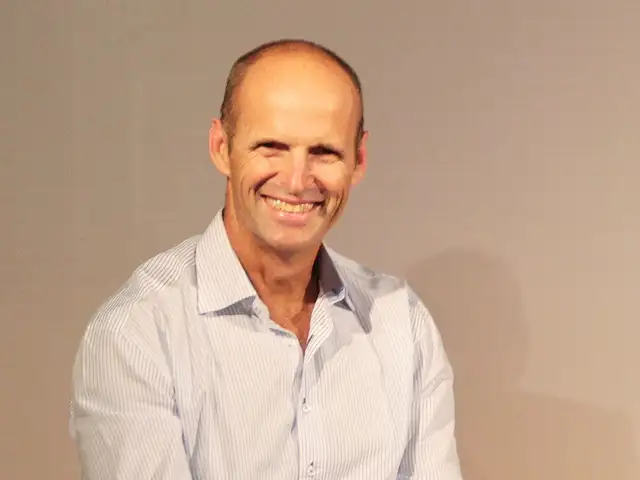
The former South African cricketer had a successful stint as coach of the Indian national team, guiding the Men in Blue to the World Cup title in 2011. Kirsten formed a close relationship with Paddy Upton, who served as the team’s Mental Conditioning coach during his tenure. They went on to co-found Performance Zone, a consultancy that helps individuals and businesses optimise their productivity. After quitting as India coach, he set up a travel agency in South Africa, while devoting time to the Gary Kirsten Cricket Academy, an elite facility that provides training to promising youngsters.
The former South African cricketer had a successful stint as coach of the Indian national team, guiding the Men in Blue to the World Cup title in 2011. Kirsten formed a close relationship with Paddy..
Read More
“For years Inzy and I butchered bowlers. So we know what it takes to run a meat business,” Anwar said at the opening of Meat One, the food processing company he started with his former colleague. The portly Inzamam, who was notorious for running out non-strikers, exuded confidence that his business partnership with Anwar would bode well for both, as well as for the country. The venture, conceived with the intention of providing “quality halal meat”, is successful, even opening branches in the UAE.
“For years Inzy and I butchered bowlers. So we know what it takes to run a meat business,” Anwar said at the opening of Meat One, the food processing company he started with his former colleague. Th..
Read More
A late bloomer, Doshi made his India debut in 1979, aged 32. His final appearance for the national team came four years later. The cricketer-turnedbusinessman is a self-acknowledged Rolling Stones fan, and was instrumental in bringing the British band to India in 2003. Doshi now serves as the CEO of the Ambiar Group, which has brought many international luxury brands to India. He entered into a partnership with Mont Blanc, but the relationship between the two parties soured. Some of the other global brands that are a part of Doshi’s portfolio in India include German pen brand Lamy and the 175-year-old Kahla Porcelain.
A late bloomer, Doshi made his India debut in 1979, aged 32. His final appearance for the national team came four years later. The cricketer-turnedbusinessman is a self-acknowledged Rolling Stones f..
Read More
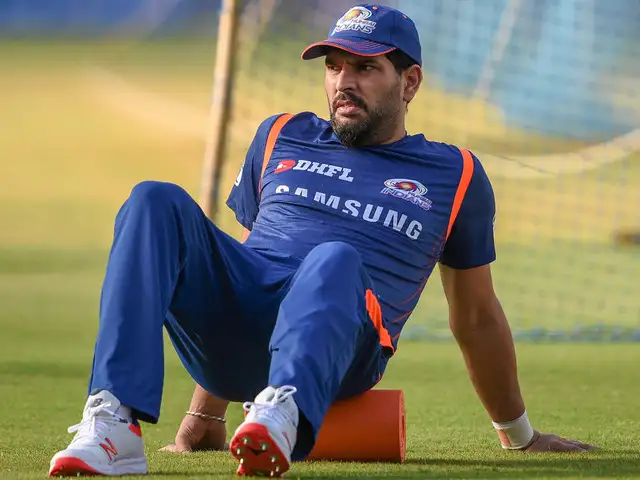
The left-handed batsman, best known for striking six sixes in an over, has been equally explosive with his investments. His seed fund, YouWeCan Ventures, has been consistently betting on startups since 2015. Singh, a cancer survivor, is still active in domestic cricket, but has not featured for the national team since 2017. Some of the startups he has backed include Holosuit, a virtual reality company, and Healthians, a service provider of home diagnostics. YouWeCan also runs a clothing brand which reported a turnover of Rs 30 crore last year. Singh’s foundation also works towards spreading awareness about cancer and funding the education of children who have survived the disease.
The left-handed batsman, best known for striking six sixes in an over, has been equally explosive with his investments. His seed fund, YouWeCan Ventures, has been consistently betting on startups si..
Business News › Magazines › Panache › Duckworth-Lewis-Stern: 2 Brit statisticians, 1 American professor behind cricket’s winning formula when it rainsText Size:AAA