Don't wait for the symptoms, new blood test can predict onset of TB six months in advance
This test can help treat the disease better, and save countless lives.
By PTI |
iStock
Tuberculosis is a disease caused by a bacteria (Mycobacterium tuberculosis) that most often affects the lungs.
LONDON: A new blood test could predict the onset of tuberculosis (TB) three to six months before people become unwell, an advance that may help better treat the disease, and save countless lives, according to researchers, including one of Indian origin. In the study, published in The Lancet Respiratory Medicine journal, researchers sought to identify which gene expression signatures in blood could be used to predict the disease before symptoms arise.
"The emergence of gene expression signature tests, which can aid diagnosis and early treatment, provides real hope for the management of infectious diseases," said study lead author Rishi Gupta from the University College London (UCL) in the UK.
"In this study, we identify multiple signatures to identify the onset of tuberculosis, which is extremely encouraging, potentially providing multiple targets for early detection," said Gupta.
The researchers noted that gene expression signatures are being tested in a range of diseases to aid diagnosis, prognosis or prediction of the response to treatment.
Gene expression signature is a single or combined group of genes in a cell with a uniquely characteristic pattern of gene expression that occurs as a result of an altered or unaltered biological process or pathogenic medical condition.
Some are already being used to support the management of cancers, but none have reached the clinic in infectious diseases, such as TB, the researchers said.
ADVERTISEMENT
Worldwide, TB is one of the top 10 causes of death and in 2018 1.5 million people died from the disease. For the latest study, the researchers initially conducted a systematic review of published gene signatures found to be present in blood samples from people with TB, compared to healthy individuals.
From this, 17 candidate gene expression signatures for TB were identified, and tested in more than 1,100 blood samples in published data sets from South Africa, Ethiopia, The Gambia, and the UK.
The scientists analysed samples from people who had no TB symptoms at the time they gave blood. Those people were then followed up to identify which participants developed TB in the subsequent months.
ADVERTISEMENT
The researchers found that eight of these signatures, including measurement of expression of a single gene, could predict the diagnosis of TB within three to six months, which falls within the accuracy required by the World Health Organisation (WHO) for new diagnostic tests.
This accuracy was achieved by revealing the patients' immune responses to bacteria before the symptoms of the disease develop, the researchers said.
ADVERTISEMENT
"Further development of these tests could help identify people who will benefit most from preventative antibiotic treatment, in order to reduce the occurrence of tuberculosis -- a disease which causes the greatest number of deaths worldwide due to any single infection.
World Blood Donor Day: Nuts, Dairy And Other Iron-Rich Foods For Good Blood Count
1/7
Unexplained fatigue, weakness, headaches, breathlessness, racing heart, dizziness and poor appetite could be signs of low haemoglobin.
Haemoglobin is an iron-rich protein present in red blood cells which determines the blood count and oxygen level in the body.
Mostly menstruating or pregnant women, growing children, and patients recovering from illnesses are susceptible to haemoglobin deficiency. A well-balanced diet with iron-rich food items can work wonders to increase the quality of blood.
Dr Kajal Yeptho Pandya, head of Department of Dietetics at Medanta - The Medicity explains how each meal with a variety of foods and portion sizes can up the haemoglobin level and moderate calorie intake.
Unexplained fatigue, weakness, headaches, breathlessness, racing heart, dizziness and poor appetite could be signs of low haemoglobin.
Haemoglobin is an iron-rich protein present in red blood cells ..
Read More
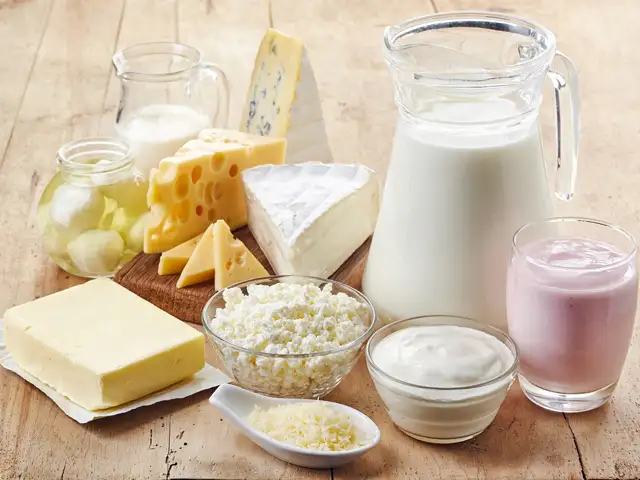
Dairy products provides proteins, vitamin D, and calcium for strong bones. Food items such as cheese, milk and yogurt are high in saturated fats. In order to moderate fat and calorie intake, it is best to choose low-fat or fat-free varieties of dairy foods.
Dairy products provides proteins, vitamin D, and calcium for strong bones. Food items such as cheese, milk and yogurt are high in saturated fats. In order to moderate fat and calorie intake, it is be..
Read More
Protein-rich foods include beans, lentils, peas, eggs, nuts, seeds, soy proteins like tofu, skin-removed fish, and lean meat & poultry with visible fat. Eggs provide multiple vitamins and minerals, and meat & poultry are high in iron. Fish should be consumed regularly, particularly fish high in omega-3 fatty acids like salmon and sardines. Legumes are a rich source of fibres. Prefer grilling, poaching, dry frying or steaming over deep frying to minimise addition of fat content.
Protein-rich foods include beans, lentils, peas, eggs, nuts, seeds, soy proteins like tofu, skin-removed fish, and lean meat & poultry with visible fat. Eggs provide multiple vitamins and minerals, a..
Read More
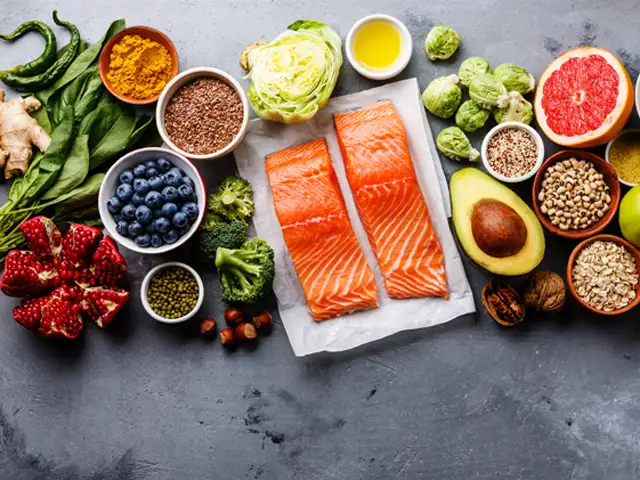
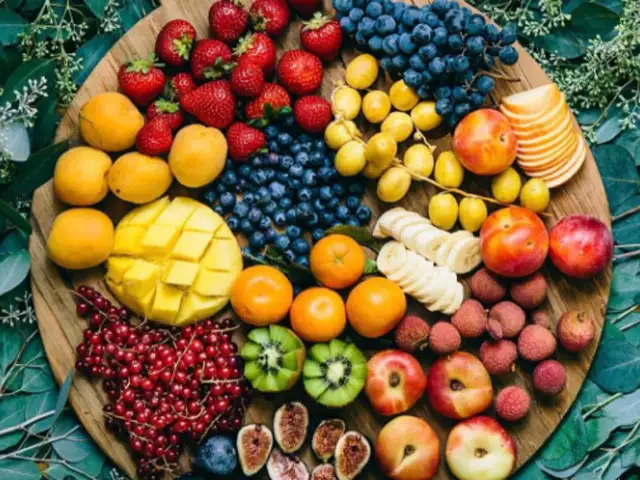
Fruits are fat-free, nutritious, low in calories and high in fibre. One must include 3-4 varieties of fruits such as beetroot, pomegranate, watermelon, apple, apricot, oranges, strawberries, papaya, grape fruit, banana, peach, mulberries, guava, litchis and kiwi to get a wide range of vitamins and minerals.
Fruits are fat-free, nutritious, low in calories and high in fibre. One must include 3-4 varieties of fruits such as beetroot, pomegranate, watermelon, apple, apricot, oranges, strawberries, papaya, ..
Read More
Veggies are low in calories, and high on vitamins and minerals. A wide variety of vegetables should be included in your meals (cooked or raw). Spinach, asparagus, broccoli, green peas, tomatoes, bell peppers, cauliflower, potatoes, fenugreek leaves and beans should be included in the diet daily.
Veggies are low in calories, and high on vitamins and minerals. A wide variety of vegetables should be included in your meals (cooked or raw). Spinach, asparagus, broccoli, green peas, tomatoes, bell..
Read More
Opt for carbohydrate-rich foods like breads, cereals, pasta and rice. One should choose whole-grain varieties as those are high in fibre, and contain more vitamins than the refined-versions. Cereals and breads enriched with iron, calcium or omega-3 are recommended to make the diet more nutritious.
Opt for carbohydrate-rich foods like breads, cereals, pasta and rice. One should choose whole-grain varieties as those are high in fibre, and contain more vitamins than the refined-versions. Cereals ..
Read More
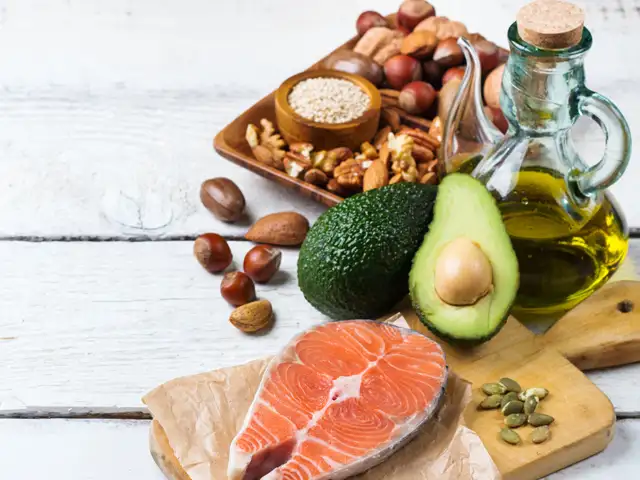
While some amount of fat is necessary in our diet, it is important to get the right kind of fats. Nuts, seeds, avocados, and oil from canola, olive, peanut contain healthy fats and oils. Saturated and trans fats, found in meat, chicken, fatty beef, lamb, pork, poultry with skin, cream, butter, cheese, etc, should be minimised as they can put your heart at risk.
While some amount of fat is necessary in our diet, it is important to get the right kind of fats. Nuts, seeds, avocados, and oil from canola, olive, peanut contain healthy fats and oils. Saturated an..
"The availability of multiple signatures will help to broaden access to these tests," Gupta said.
Tuberculosis is a disease caused by a bacteria (Mycobacterium tuberculosis) that most often affects the lungs, according to the researchers.
TB is spread from person to person through the air. When people with lung TB cough, sneeze or spit, they propel the TB germs into the air, they said.
The researchers noted that worldwide, TB is one of the top 10 causes of death and in 2018 1.5 million people died from the disease.
"About one-quarter of the world's population is thought to have been infected with the bacteria that cause TB. The majority of these individuals remain well and cannot transmit the disease," said Professor Mahdad Noursadeghi from UCL.
"Our findings establish the gene signatures in blood which show most promise for identifying people who are at risk of disease. Future development of a blood test based on these findings could make an important contribution to efforts to reduce the impact and spread of this deadly infection," Noursadeghi said.