Don't ignore the stiffness and pain; frozen shoulder can interfere in everyday activities
It is a condition that affects your shoulder joint and usually involves pain and stiffness that develop gradually.
By ET Bureau |
Getty Images
By Rashmi Ramesh
Frozen shoulder advances gradually making even routine tasks tough to do. Hence, it’s important to take any shoulder discomfort seriously early on to prevent bigger problems.
More often than not, we shrug off shoulder pain and stiffness by popping a painkiller and stretching. While we may feel better temporarily, we may find the pain returning or worsening gradually. In that case, it’s wise not to resort to repeated self-medication as it may point to something more serious — a frozen shoulder.
Doctors, therefore, say that pain and stiffness in the shoulder should never be ignored.
Dr Sushal Shanthakumar, consultant shoulder surgeon, department of orthopaedics, Manipal Hospitals in Bengaluru, said frozen shoulder may even seriously interfere with a person’s ability to do everyday tasks such as dressing and bathing.
Dr Farah Ingale, internal medicine, Hiranandani Hospital, Mumbai, said it is a condition that affects your shoulder joint and usually involves pain and stiffness that develop gradually, get worse and then finally go away in a period ranging between one and three years.
ADVERTISEMENT
Nipah Virus Symptoms: Abdominal Pain, Stiff Neck And Seizures
1/5
People are in a state of chaos as the 'deadly' Nipah virus (NiV) is slowly gripping the nation.
On Tuesday, minutes before succumbing to the infection, a 28-year-old nurse Lini had shared an emotional letter with her husband, expressing the pain of not being able to see him one last time. She was exposed to the virus while treating affected patients in the Perambra Taluk Hospital, Kozhikode.
While the moving note broke our hearts, it's time we take this condition seriously and be extremely cautious about it.
People are in a state of chaos as the 'deadly' Nipah virus (NiV) is slowly gripping the nation.
On Tuesday, minutes before succumbing to the infection, a 28-year-old nurse Lini had shared an emotion..
Read More
NiV doesn't show any symptoms when it first infects you. However, the incubation period is between 4 and 14 days from contracting the disease to the onset of symptoms. However, 45 days of incubation have also been reported in some case.
NiV doesn't show any symptoms when it first infects you. However, the incubation period is between 4 and 14 days from contracting the disease to the onset of symptoms. However, 45 days of incubation ..
Read More
When the symptoms start showing, look out for the commons signs of influenza. The infection can start with fever, sore throat, throat irritation, throbbing headaches, abdominal pain, fainting, nausea, vomiting and pain in muscles (myalgia).
When the symptoms start showing, look out for the commons signs of influenza. The infection can start with fever, sore throat, throat irritation, throbbing headaches, abdominal pain, fainting, nausea..
Read More
The next things this virus affects is your breathing. Patients will experience mild to severe acute respiratory infection. Starting with wheezing and breathing difficulty, the symptoms lead to atypical pneumonia and other severe problems.
The next things this virus affects is your breathing. Patients will experience mild to severe acute respiratory infection. Starting with wheezing and breathing difficulty, the symptoms lead to atypic..
Read More
The next stage is fatal encephalitis. This life-threatening condition is a form of brain fever causing inflammation of tissues. Watch out for mild symptoms like fever, headache, vomiting, stiff neck, exhaustion, and severe signs like high fever, confusion, drowsiness, hallucinations, slower movements, coma (within 24-48 hours), seizures, irritability, sensitivity to light, unconsciousness and neurological problems.
However, people can make full recovery after surviving acute encephalitis, but the experience long-term neurological conditions like seizures and personality changes.
Currently, there is no vaccine or drug available for humans or animals. Hence, it is extremely important to follow the precautionary steps.
The next stage is fatal encephalitis. This life-threatening condition is a form of brain fever causing inflammation of tissues. Watch out for mild symptoms like fever, headache, vomiting, stiff neck,..
ACT ON ANY PAIN Dr Raghavendra KS, consultant joint replacement and spine surgeon, Fortis Hospital, Mumbai, said that the main symptoms of frozen shoulder are stiffness and pain around the shoulder.
“The stiffness mainly involves two movements — abduction, or lifting your hand above the shoulder level, and external rotation, or outward movement of the forearm and elbow. One should not wait till these symptoms set in and should visit a doctor as soon as he or she develops pain around the shoulder or even faces minimal discomfort while moving the shoulder,” he said.
ADVERTISEMENT
TOUGH TO SINGLE OUT A CAUSE The shoulder is the only joint that commonly freezes , said Shanthakumar. “The bones, ligaments and tendons that make up the shoulder joint are encased in a capsule of connective tissue. Frozen shoulder occurs when this capsule thickens and tightens around the shoulder joint, restricting its movement,” he said.
While there is no particular reason why one develops a frozen shoulder, ones with a previous injury, diabetes, previous surgeries around or of the shoulder, thyroid issues, cardiovascular diseases, tuberculosis and Parkinson’s disease are more prone to developing it, said Ingale.
ADVERTISEMENT
Raghavendra said it is most commonly seen in people between 35 and 65 years of age, and women are more prone to it than men.
People with sedentary lifestyles, obesity, those involved in sports with aggressive shoulder movements and who have hormonal imbalance are also more at risk, he said.
International Yoga Day: Asanas For Women To Stay Youthful, Happy And Healthy
1/7
As women venture into new terrains, also performing duties in their traditional mould, striking a balance is important to stay healthy. Yoga can help them in a big way to achieve this.
Akshar Nath, Chairman of Akshar Yoga, shares a few dynamic asanas for maintaining a youthful, happy and a healthy body for women across all ages.
NOTE: While every woman irrespective of her age can perform all these asanas, women with fluctuating blood pressure or those under medical surveillance are not advised to do these.
As women venture into new terrains, also performing duties in their traditional mould, striking a balance is important to stay healthy. Yoga can help them in a big way to achieve this.
Akshar Nath,..
Read More
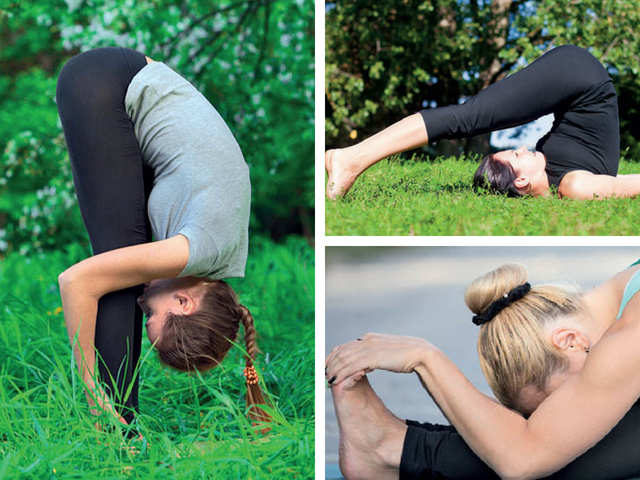
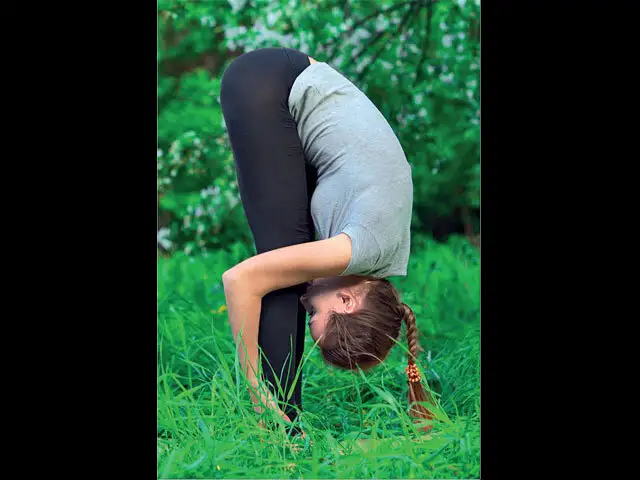
Padahastasana is a combination of two Sanskrit words — pada (foot) and hasta (hand). As the name itself suggests, this asana involves a crisp forward bend that strengthens the muscles of the limbs as well as the core and promotes good form.
Padahastasana is a combination of two Sanskrit words — pada (foot) and hasta (hand). As the name itself suggests, this asana involves a crisp forward bend that strengthens the muscles of the limbs as..
Read More
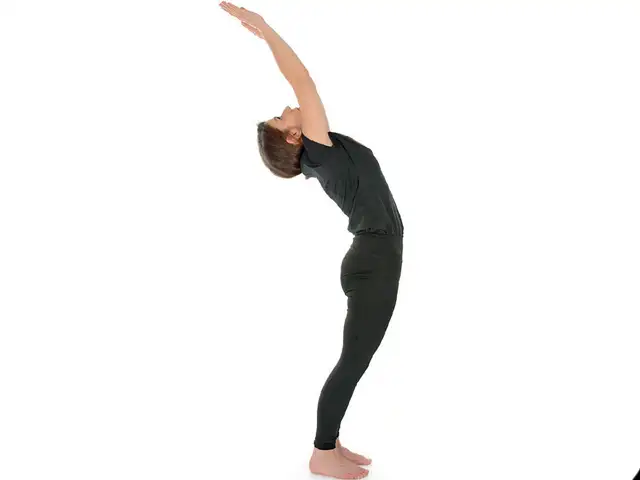
Hasta Uttanasana is a raised arm pose, that expands the chest and rib cage, thus helping in full intake of oxygen that plays an important role in preventing the skin from loosening.
Hasta Uttanasana is a raised arm pose, that expands the chest and rib cage, thus helping in full intake of oxygen that plays an important role in preventing the skin from loosening.
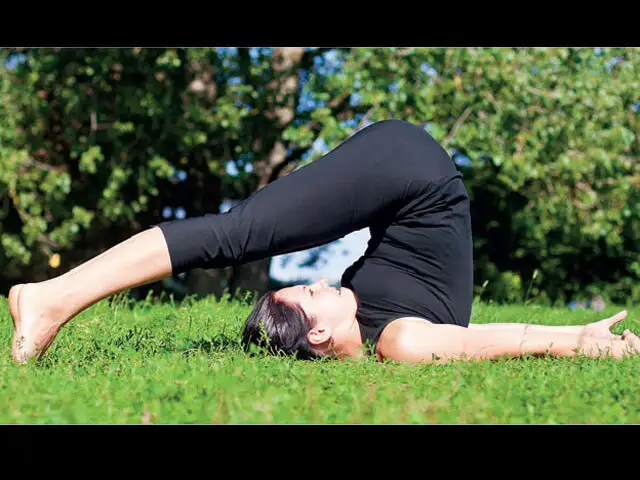
The asana which gets its name from the plough, is a perfect exercise that helps in treating reproductive problems. This pose increases the blood flow to the abdominal organs and helps stimulate the thyroid and parathyroid glands too. Hence this pose is strongly recommended for ageing women.
The asana which gets its name from the plough, is a perfect exercise that helps in treating reproductive problems. This pose increases the blood flow to the abdominal organs and helps stimulate the t..
Read More
Sarvangasana means the asana for the entire body. This shoulder stand pose is often termed as the mother of all poses. Along with many other benefits, this asana helps remove toxins and other waste products from the blood, thus preventing many diseases related to the skin. It prevents wrinkles, pimples and helps delay ageing signs. It facilitates adequate blood supply to the forehead region due to which it works great for facial problems.
Sarvangasana means the asana for the entire body. This shoulder stand pose is often termed as the mother of all poses. Along with many other benefits, this asana helps remove toxins and other waste p..
Read More
This asana helps in stretching the entire body from the head to the heels. This is a great way to remove stress, anger and anxiety and helps balance a woman's menstrual cycle. This also tones the abdominal and pelvic organs and is especially useful for women after childbirth.
This asana helps in stretching the entire body from the head to the heels. This is a great way to remove stress, anger and anxiety and helps balance a woman's menstrual cycle. This also tones the abd..
Read More
This does wonders in bringing back one’s youth by releasing anxiety and improving blood circulation. This asana also aids in better digestion and memory.
This does wonders in bringing back one’s youth by releasing anxiety and improving blood circulation. This asana also aids in better digestion and memory.
DIAGNOSING AND TREATING IT The condition has to be first diagnosed as mild, moderate or severe, said Raghavendra.
Once that is done, there are a few treatment options to consider, added Shanthakumar.
“Physiotherapy is the most common mode of treatment. The goal is to stretch your shoulder joint and recover motion. This can take anywhere from a few weeks to a few months. Some doctors can prescribe medications to decrease pain and reduce inflammation in the joint. If physical therapy doesn’t improve your condition, surgery is an option,” he said.
There are several approaches to successfully treat a frozen shoulder in Ayurveda, said Dr Partap Chauhan, director, Jiva Ayurveda. “Ayurveda is a personalised health science, so the treatment for all cases of frozen shoulder is not the same. First, it is important to understand the root cause. Based on that, the treatment is a combination of herbal decoctions, guggulu preparations, churnas and herbo-mineral rasa medicines that pacify the vitiated vata dosha, which is usually the primary reason behind this condition,” he said.
“Panchakarma treatment also plays an important role in this condition as it unlocks the restricted movement of the shoulder through medicated lubrication and fomentation, while herbal enemas bring the vata back to a balanced state,” Chauhan explained.
According to Shanthakumar, “Even when the pain starts to improve, the stiffness can be quite disabling. This condition might impede you from reaching over your head, to the side and across your chest, and from rotating your arm all the way around from the front to the back. This could make it impossible for you to scratch your back or even put on a vest or a bra.”
How It Develops Frozen shoulder usually develops in three stages and each stage can last many months FREEZING STAGE: Here, any movement of your shoulder causes pain and your shoulder’s range of motion starts to become limited
FROZEN STAGE: Pain may begin to diminish during this stage. However, your shoulder becomes stiffer and using it becomes more diffi cult
THAWING STAGE: In this stage, the range of motion in your shoulder begins to improve. For some people, the pain worsens at night, sometimes disrupting sleep patterns.
Dos and Don’ts People with a frozen shoulder should avoid all vata-aggravating diets and lifestyle practices. Frozen food, carbonated drinks, fast food, stale food, packaged food, chips, popcorn, white flour (refined flour) products, ice cream and any form of stimulant like tea, coffee or alcohol should be avoided. Heavy exercises, weight-lifting, staying awake till late in the night, sleeping till late in the morning, exposure to cold winds or cold environments for too long and skipping meals should also be avoided. Dr Partap Chauhan
People should be more active and do more shoulder-strengthening exercises. They should avoid lifting heavy weights and not sleep on the same side for a long time. Dr Raghavendra KS
Remedies at home Gently massage the area affected with lukewarm oil, twice daily.
Eat fresh and lukewarm foods.
Drinking the powdered mixture of methi, sonth (dried ginger and tamarind paste) and ajwain (carom seeds) with lukewarm water after meals is effective, as is drinking ashwagandha with warm milk.
Local application of painkiller gels can be beneficial.
Place an ice pack on the shoulder for 15 minutes at a time, several times a day, to help decrease the pain.
Talk to a physical therapist about the types of exercises you can do, how often you must do them and when you can push yourself harder.
LIVE HEALTHY TO PREVENT IT Most diseases are the outcome of faulty diets and lifestyles, and thus maintaining a healthy mind and body routine by eating well, sleeping on time and exercising is of utmost importance, Chauhan said.
“This condition can be prevented by doing regular shoulder exercises, controlling diabetes and thyroid issues, treating sports injuries promptly, conducting regular health check-ups and following a nutritious diet,” said Raghavendra.