Don't go on a diet: Playing games while eating can reduce your food intake
The game tests users' visual sustained attention and working memory.
By PTI |

Getty Images
WASHINGTON: Playing games on computer screens during a meal may decrease the amount of food a person eats, according to a study. The research, published in the Journal of Nutrition, found that when 119 young adults consumed a meal while playing a simple computer game for 15 minutes, they ate significantly less than when they ate the same meal without distractions.
Researchers from the University of Illinois at Urbana-Champaign in the US evaluated the food consumption of participants on two separate occasions -- one day when they played the game while eating, and on another day when they ate without distractions.
The game, called Rapid Visual Information Processing, tests users' visual sustained attention and working memory, the researchers said.
It has been used extensively by researchers in evaluating people for problems such as Alzheimer's disease and attention-deficit disorder.
The game randomly flashes series of digits on the computer screen at the rate of one per second. Participants in the study were instructed to hit the space bar on the keyboard whenever they saw three consecutive odd numbers appear.
"It's fairly simple but distracting enough that you have to really be watching it to make sure that you don't miss a number and are mentally keeping track," said lead author Carli A. Liguori from the University of Illinois.

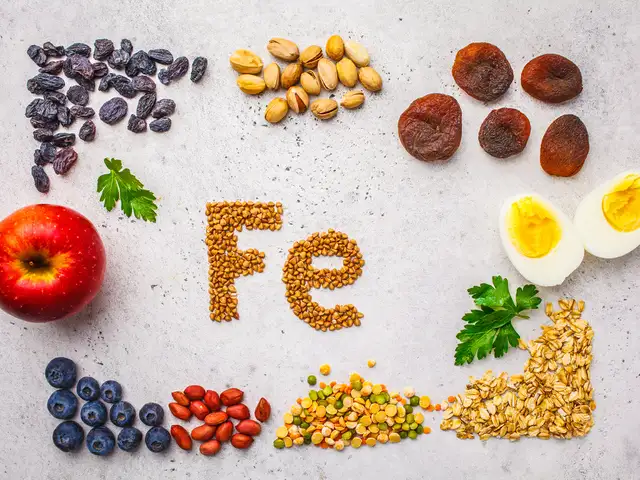
Too busy to prioritise what you eat? It just needs a conscious thought before eating any meal and basic understanding of different kinds of food and nutrients like Vitamin C, Vitamin A, iron, calcium, protein, energy and folic acid.
It is important to consume food that can provide good nutrition for a healthy lifestyle.
The Indian dietary guidelines recommend that a balanced diet should provide around 50-60% of total calories from carbohydrates, preferably complex carbohydrates, about 10-15% from proteins, and 20-30% from both visible and invisible fats. A balance diet should also provide vitamins and minerals along with dietary fibres and antioxidants.
Dr Rajan Sankar, Senior Advisor - Nutrition at Tata Trusts, shares what one needs to eat to get started.
The participants, who fasted for 10 hours before each visit, were told to consume as much as they wanted of 10 miniature quiches while they were either playing the game or eating quietly without distractions for 15 minutes.
The food was weighed and counted before and after it was given to each person.
After a 30-minute rest period, participants completed an exit survey that asked them to recall how many quiches they had been given, and the number they had consumed.
Liguori found that participants ate less when they were distracted by the computer game.
However, participants' consumption on their second visit was affected by which activity they had performed during their initial visit.
The people who engaged in distracted eating on their first visit ate significantly less than their counterparts who did not experience the distracted eating condition until their second visit.
When participants who engaged in the distracted eating on their first visit were served the quiches on their next visit, they behaved as if they were encountering the food for the first time.
"It really seemed to matter whether they were in that distracted eating group first," said Liguori, who is a visiting faculty member at the University of Pittsburgh.
"Something about being distracted on their initial visit really seemed to change the amount they consumed during the nondistracted meal.
"There may be a potent carryover effect between the mechanism of distraction and the novelty of the food served," she said
The results suggest that there may be a difference between distracted eating and mindless eating.
Although the terms are often used interchangeably, Liguori hypothesised that they may be distinctly different behaviours with nuances that need to be explored.
Researchers from the University of Illinois at Urbana-Champaign in the US evaluated the food consumption of participants on two separate occasions -- one day when they played the game while eating, and on another day when they ate without distractions.
The game, called Rapid Visual Information Processing, tests users' visual sustained attention and working memory, the researchers said.
It has been used extensively by researchers in evaluating people for problems such as Alzheimer's disease and attention-deficit disorder.
The game randomly flashes series of digits on the computer screen at the rate of one per second. Participants in the study were instructed to hit the space bar on the keyboard whenever they saw three consecutive odd numbers appear.
"It's fairly simple but distracting enough that you have to really be watching it to make sure that you don't miss a number and are mentally keeping track," said lead author Carli A. Liguori from the University of Illinois.
ADVERTISEMENT
It is important to consume food that can provide good nutrition for a healthy lifestyle.
The Indian dietary guidelines recommend that a balanced diet should provide around 50-60% of total calories from carbohydrates, preferably complex carbohydrates, about 10-15% from proteins, and 20-30% from both visible and invisible fats. A balance diet should also provide vitamins and minerals along with dietary fibres and antioxidants.
Dr Rajan Sankar, Senior Advisor - Nutrition at Tata Trusts, shares what one needs to eat to get started.







The participants, who fasted for 10 hours before each visit, were told to consume as much as they wanted of 10 miniature quiches while they were either playing the game or eating quietly without distractions for 15 minutes.
The food was weighed and counted before and after it was given to each person.
After a 30-minute rest period, participants completed an exit survey that asked them to recall how many quiches they had been given, and the number they had consumed.
ADVERTISEMENT
They also rated how much they enjoyed the meal as well as their feelings of hunger and fullness. Liguori found that participants ate less when they were distracted by the computer game.
ADVERTISEMENT
The participants' meal memory -- their ability to recall how much they had been served and eaten -- was less accurate when they were distracted than when they ate quietly without the game. However, participants' consumption on their second visit was affected by which activity they had performed during their initial visit.
The people who engaged in distracted eating on their first visit ate significantly less than their counterparts who did not experience the distracted eating condition until their second visit.
When participants who engaged in the distracted eating on their first visit were served the quiches on their next visit, they behaved as if they were encountering the food for the first time.
"It really seemed to matter whether they were in that distracted eating group first," said Liguori, who is a visiting faculty member at the University of Pittsburgh.
"Something about being distracted on their initial visit really seemed to change the amount they consumed during the nondistracted meal.
"There may be a potent carryover effect between the mechanism of distraction and the novelty of the food served," she said
The results suggest that there may be a difference between distracted eating and mindless eating.
Although the terms are often used interchangeably, Liguori hypothesised that they may be distinctly different behaviours with nuances that need to be explored.
Download
The Economic Times Business News App for the Latest News in Business, Sensex, Stock Market Updates & More.
The Economic Times Business News App for the Latest News in Business, Sensex, Stock Market Updates & More.
ADVERTISEMENT


