Do you suffer from the 'Imposter Syndrome' at work? 3 simple to combat the feeling
In 2020, many of us completely overhauled the way we live and work.
By Reuters |
Getty Images
Around 75% of female executives across industries have experienced some level of Imposter Syndrome, according to a report from KPMG.
NEW YORK: June Caloroso has a real problem with someone at work named Lindsey.
The career strategist from California's Bay Area has had plenty of success, including as a tech recruiter for Google. But whenever Caloroso took on a big assignment or was growing her business, Lindsey would come around and start whispering negative things - that she was not good enough, that she was not qualified, that she was bound to fail.
Plot twist: Lindsey is not a real person, but a familiar voice in Caloroso's head. And what she was experiencing is common to many Americans: "Imposter Syndrome."
You might know it: That feeling that we are really just little kids in big offices, and that at any moment our dirty little secret will be found out and we will be fired on the spot.
"When I was working at Google, all the people there had attended top universities and had great pedigrees," says Caloroso. "Then there was me, who had a background in retail sales and didn't graduate college until I was 28. That's when my Imposter Syndrome started: That sense of always looking over my shoulder, and not feeling qualified to be there."
Caloroso has since started her own business (BuildWithJune.com) after being laid off this year because of the COVID-19 crisis. She has learned to battle Lindsey head-on. "I felt I had to name it to claim it. So now whenever I'm feeling insecure, I just call Lindsey out."
ADVERTISEMENT
Caloroso may have felt alone at the time, but she is the furthest thing from it. In fact, 75% of female executives across industries have experienced some level of Imposter Syndrome, according to a report from accounting and advisory firm KPMG.
"The numbers are just so high," said Laura Newinski, deputy chair and COO for KPMG US. "One thing that really jumped out in our survey is how much pressure people are putting on themselves. They are experiencing pressure not to fail, which adds to self-doubt, and that feeling of 'I don't belong here.'"
It is not just a gender issue, either. Men experience it, too - and often react even more severely, according to a research team led by Rebecca Badawy of Youngstown State University. But they are often reluctant to talk about it, for fear of being seen as weak or insecure.
It's understandable that we feel this way: In 2020, many of us completely overhauled the way we live and work.
ADVERTISEMENT
The reality, of course, is that your insecurities probably are not based on anything factual. If you have achieved career success, you have probably earned it. Nevertheless, those feelings are real. Here are three strategies to cope with them.
These imposter feelings are only big and scary if you think you are the only one experiencing them.
ADVERTISEMENT
BE PROUD OF YOUR WINS The negative voices in your head - like Caloroso's Lindsey - can seem pretty loud. So you have to be even louder than them, and talk up your accomplishments.
"Focus on facts, and all the wins you are having," says Gala Jackson, lead executive career coach for wealth management firm Ellevest. "This year especially, you are doing something you have never done, and are trying to figure it out like we all are. So remember your achievements, and give yourself some self-compassion."
WATCH OUT FOR MILESTONE TRIGGERS The irony of Imposter Syndrome is that it tends to show up just when you think it wouldn't - after a big promotion that cements your place in the company, for instance. Those are the career "milestones" that can send people into paroxysms of self-doubt.
If you are aware of this common tendency, you can be better equipped to conquer those doubts. Company leadership should also be aware of this, in order to support women executives in new and powerful roles. "These key points in women's careers can be special triggers for Imposter Syndrome," said KPMG's Newinski. "So you need to keep your eyes wide open and pay attention when it shows up."
DEVELOP A SUPPORTIVE COMMUNITY These imposter feelings are only big and scary if you think you are the only one experiencing them. Tip: You are not. So share your experiences, write them down and swap best practices with others.
"Especially since we're all living in remote environments right now, it's important to surround yourselves with a community," said Caloroso, who nurtures her network by doing live events on LinkedIn. "Then you see that the majority of successful people experience Imposter Syndrome as well. So it's absolutely normal - and if they can manage it, then you can, too."
Stop Using Your Bed For Work. 5 Tips To Create The Right WFH Space
1/6
Since working from home is the new norm, its best to get it right. Rhea Khurrana, Founder of Re | Arrange, shares her easy tips on how to make sure your work space helps you get into office mode.
Since working from home is the new norm, its best to get it right. Rhea Khurrana, Founder of Re | Arrange, shares her easy tips on how to make sure your work space helps you get into office mode.
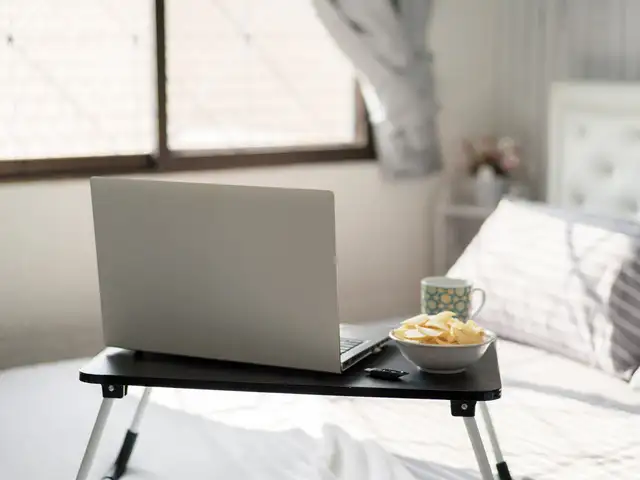
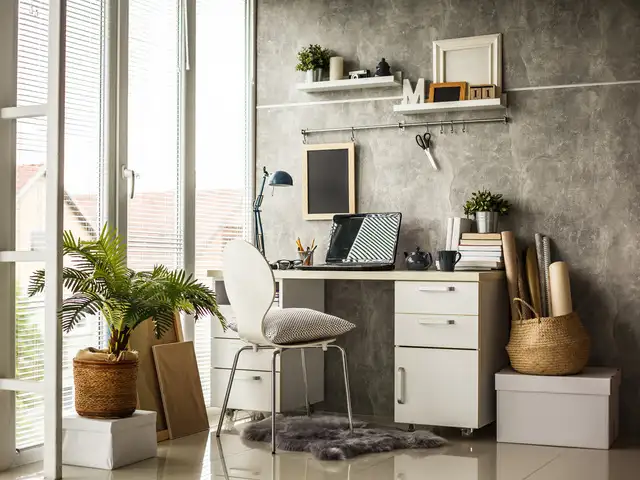
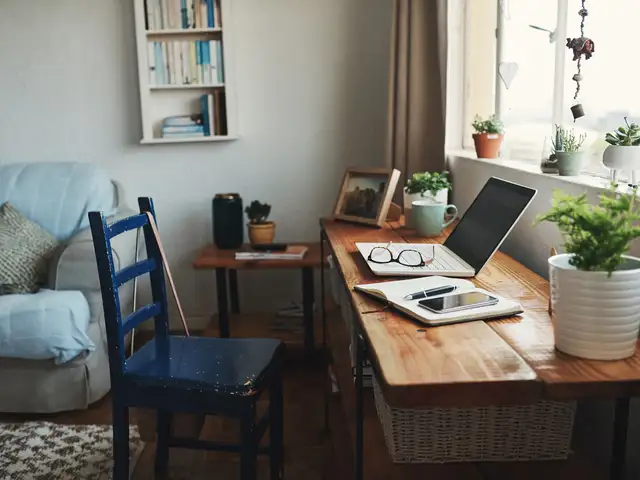
One of the most important things would be to avoid using your bed as it’s easier to slip into a lazy mode. Instead try and find a small nook/corner where you can sit up and work. Decorate the space in a way that would look like your work desk so you feel the same energy as you would get from sitting on your office desk. This could be anything such as your pen stand at work, etc.
One of the most important things would be to avoid using your bed as it’s easier to slip into a lazy mode. Instead try and find a small nook/corner where you can sit up and work. Decorate the space i..
Read More
If you have no option but to use your bed or if you are someone who loves working from your bed, it’s important to have some sort of a table. This could be in the form of a movable folding tray, trolley, side table, etc. This would keep your alignment right during work and give your some form of formality.
If you have no option but to use your bed or if you are someone who loves working from your bed, it’s important to have some sort of a table. This could be in the form of a movable folding tray, trol..
Read More
If you do not want to occupy too much space in your room with a table, make use of a floating table that you can pull in and out as and when required. This is ideal for the work from home feel and you can keep customising it as per your frame of mind.
If you do not want to occupy too much space in your room with a table, make use of a floating table that you can pull in and out as and when required. This is ideal for the work from home feel and yo..
Read More
Placing the home desk near a window is also great to get sufficient natural light for warmth and positivity. It really helps in productivity. Keeping planters and essence on the desk also improves the concentration and focus while working.
Placing the home desk near a window is also great to get sufficient natural light for warmth and positivity. It really helps in productivity. Keeping planters and essence on the desk also improves th..
Read More
Lastly, it’s important to ensure all your supplies are accessible to you. This can be done by placing all the work stuff together on a shelf or using a vertical storage method.
Lastly, it’s important to ensure all your supplies are accessible to you. This can be done by placing all the work stuff together on a shelf or using a vertical storage method.






 Salma Hayek's Imposter Syndrome ruined her sports illustrated cover? She reveals shocking experience

