Do you often take antibiotics, even without a prescription? It could turn minor infections into a major health concern
Studies have shown that around 50-60% of antibiotic prescriptions are unnecessary.
By ET Bureau |
Getty Images
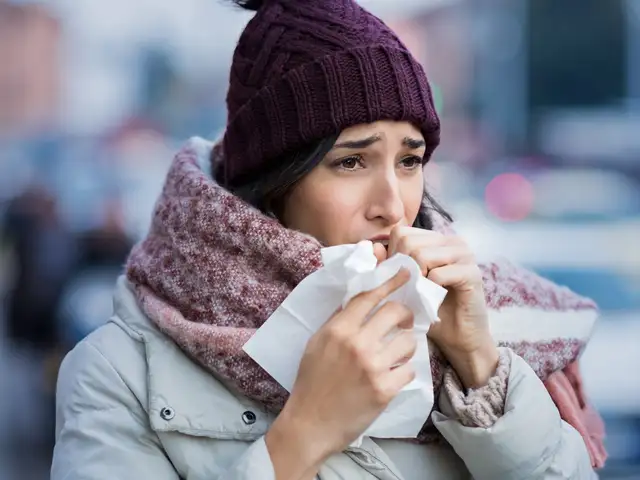
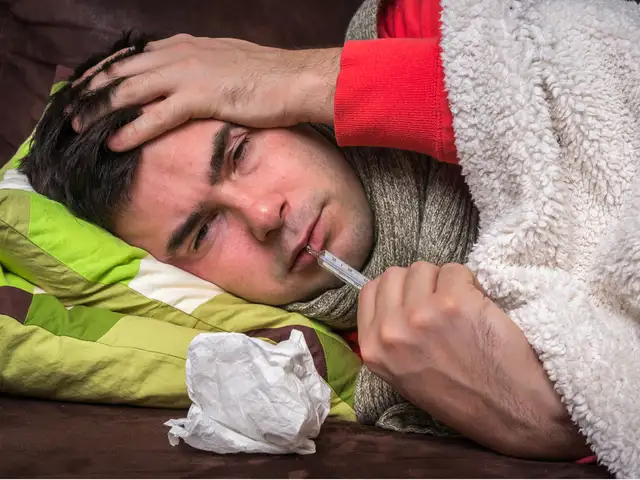
Over-the-counter sales of antibiotics, and antibiotics taken by people for viral infections like colds and flu (where they are of no use) are some examples of antimicrobial misuse.
Antimicrobial resistance can make treating infections difficult, leading to poor clinical outcomes and even death. Hence, it is important to be judicious in the use of antibiotics, writes Rashmi Ramesh.
The World Health Organization (WHO) recently recognised antimicrobial resistance (AMR) as one of the top 10 threats to global health in 2019. A 12-country survey conducted by WHO in 2015 demonstrated that at least 75% of respondents from four countries, including India, reported taking an antibiotic within the previous six months, compared with just 35% of those from Barbados, which reported the lowest proportion.
Dr Aparna Kotekar, HoD (molecular department), iGenetic Diagnostics, quoted WHO’s 2014 Antimicrobial Resistance-Global Report on Surveillance, and said that the incidence of resistance in common pathogens like E. coli, K. pneumoniae and S. aureus was about 50%.
“This is quite alarming considering that no new antibiotics have been developed in the past four decades. Thus, AMR has become a global health crisis that could render even common infections untreatable with existing antibiotics,” she said.
Dr Swati Rajagopal, consultant (infectious disease and travel medicine) at Bengaluru-based Aster CMI Hospital, said: “The process of antimicrobial resistance accelerates due to the misuse, overuse and abuse of antibiotics. Over-the-counter sales of antibiotics, antibiotics taken by people for viral infections like colds and flu (where they are of no use), and antibiotics used as growth promoters in the animal and agricultural industry are some examples of antimicrobial misuse."
According to Kotekar, studies have shown that around 50-60% of antibiotic prescriptions are unnecessary.
ADVERTISEMENT
“Antibiotics are prescribed even when the cause of infection is unknown. For example, antibiotics may be prescribed when the patient has a viral infection or the wrong antibiotic may be prescribed in the absence of identification of the infecting bacteria. High frequency of incomplete antibiotic course, especially among the lower income group where antibiotics are used for symptomatic relief instead of microbial eradication, can also increase the prevalence of antibiotic resistance,” she said.
According to the definition given by WHO, antimicrobial resistance (AMR) is when a pathogen like bacteria, viruses or certain parasites resist an antimicrobial (such as antibiotics, antivirals and antimalarials) from working against it. Due to this, standard treatments of care become ineffective, leading to an increase in the morbidity and mortality from the infections.
Lack of proper infection-control practices, insufficient sanitary hygiene and improper food-handling can further encourage the spread of antimicrobial resistance, Rajagopal said.
Antimicrobial resistance can also occur naturally over time, usually through genetic changes.
ADVERTISEMENT
Not completing a prescribed course of antibiotics may also promote the growth of drug-resistant microorganism, leading to AMR. It isn't just overdosing yourself that can lead to resistance. According to Dr Sanjith Saseedharan, head of intensive care unit at SL Raheja Hospital, even underexposure to antibiotics, by way of underdosing, can cause the increase in resistance among the bugs.
Availability of cheap and over-the-counter antibiotics has led to an increase in the use of antibiotics, he said. Industrial-waste disposal from antibiotic manufacturing plants may also contribute to the resistance mechanism.
ADVERTISEMENT
Rajagopal said: "These resistant microbes are mostly found in people, animals, food and environment, and can spread between people and animals, including from food of animal origin, and from person to person."
"Certain types of microorganisms that develop antimicrobial resistance are known as ‘superbugs’,” she added.
DANGERS OF AMR According to Rajagopal, patients diagnosed with infections caused by drug-resistant bacteria are at a great risk of poor clinical outcomes and death.
"With new resistance mechanisms emerging and spreading across the globe, it is becoming difficult to treat common infectious diseases. Medical procedures such as organ transplants and controlling diabetes will become high risk without effective antimicrobials for prevention and treatment of infections,” she said.
Saseedharan said once a bug develops resistance to an antibiotic, the resistance cannot be reversed. “Physicians then have to resort to very powerful, broad-spectrum antibiotics in large doses and sometimes in combinations, for a prolonged period to combat these kinds of bugs,” he said.
In addition, Rajagopal said, standard treatments of care become ineffective leading to an increase in the morbidity and mortality from infections, which can further lead to increased spread of drug-resistant infections among individuals.
This phenomenon is usually seen with antibiotics, antivirals, antimalarial drugs, TB medications and HIV medications, she said. Hospital-acquired infection among vulnerable patients is another major concern in the Indian context. "AMR increases the risk of transmission of infections to other hospitals and communities, thereby substantially affecting the economy at individual and societal levels. The infectious disease risk is going out of control and due to increased medical tourism, antimicrobial resistance can spread globally,” Rajagopal said. Patients with AMR also consume more healthcare resources than those infected with non-resistant strains of the same bacteria.
AMR can compound problems in people with an already-compromised immune system. For example, “those with cancer already have a weakened immune system. Antibiotics need help from the body’s defence mechanism to fight infections — at this stage, bugs that are already developing resistance get the upper hand as the antibiotic does not get much help from the body’s natural defence mechanism,” added Saseedharan.
CONTAINING AMR MUST BE A TOP PRIORITY Multi-drug resistant bacteria are potential threats to mankind and have added new dimensions in the treatment management for these patients, said Rajagopal.
Doctors should not prescribe or dispense antibiotics unless they are necessary, she said. “Diagnostic tests must be done to confirm the infection and appropriate antibiotics must be given. It is important to ensure that medications are given in right dosage and for appropriate duration. Strict antibiotic stewardship practices have been enforced by the government to curb irrational antibiotic-prescribing practices in hospitals,” she said.
“One must improve infection-control strategies in hospitals and community, follow proper environmental-disinfection methods and improve sanitation and hygiene. The public must also be made aware of the magnitude of the problem and there must be controlled use of antibiotics in the animal and agricultural industries.”
Patients too have a responsibility. Dr Ashwini Konnur, in-house consultant at AyurUniverse, said: “When a patient is given antibiotics, he/she has to complete the course prescribed completely even if s/he feels better just with the first dosage. If the course is not completed, it may promote the growth of drug-resistant microorganism, leading to AMR.”
Dr Ramesh Kumar, a general physician in Bengaluru, said: "The patient should not reuse the prescription if s/he takes ill again." A fresh diagnosis and course of treatment is a must each time you are unwell, he added.
Swine Flu: Myths Vs Facts; Home Remedies For Speedy Recovery
1/10
Nausea, running nose, weakness, and inability to sit? It could be swine flu.
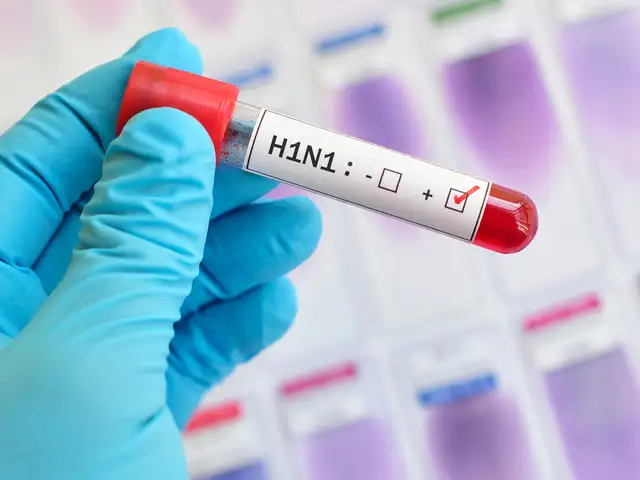
The H1N1 infection can lead to severe muscle weakness, multi-organ failure, and death in many cases.
Many people believe in myths about this highly-infectious disease.
ET Online got in touch with Dr Sushila Kataria, Director, Department of Internal Medicine at Medanta - The Medicity, Gurugram, Dr Om Srivastava, Head of Infectious Diseases at Jaslok Hospital and Research Centre, Dr Seema Khanna, consultant nutritionist, and Dr Khusrav B Bajan, Consultant Physician, Intensivist and Head of Department of Emergency Medicine and Critical Care at PD Hinduja Hospital to help you understand the condition better.
Nausea, running nose, weakness, and inability to sit? It could be swine flu.The H1N1 infection can lead to severe muscle weakness, multi-organ failure, and death in many cases.Many people believe in ..
Read More
Fact: Swine flu is mostly treatable, and the mortality rate is rare (around 1%). Swine flu antibodies are very protective. A person can get swine flu just once in his/her life.
Fact: Swine flu is mostly treatable, and the mortality rate is rare (around 1%). Swine flu antibodies are very protective. A person can get swine flu just once in his/her life.
Fact: Swine flu is a human virus. It is mainly caused due to droplet transmission where the virus travels through respiratory droplets when people exhale, cough, sneeze, drip, etc.
Fact: Swine flu is a human virus. It is mainly caused due to droplet transmission where the virus travels through respiratory droplets when people exhale, cough, sneeze, drip, etc.
Fact: It's not true. March and April are the peak months for swine flu to aggravate. But, the disease can affect an individual any time of the year.
Fact: It's not true. March and April are the peak months for swine flu to aggravate. But, the disease can affect an individual any time of the year.
Fact: People come in contact with the swine flu virus when an infected person sneezes or coughs in proximity. A person must be at least 4-5 feet away from the patient to avoid contracting the infection.
Fact: People come in contact with the swine flu virus when an infected person sneezes or coughs in proximity. A person must be at least 4-5 feet away from the patient to avoid contracting the infecti..
Read More
Fact: It is crucial to dispose your tissue (containing nose secretion) properly. Using gloves and masks are highly recommended for people taking care of H1N1 patients.
Fact: It is crucial to dispose your tissue (containing nose secretion) properly. Using gloves and masks are highly recommended for people taking care of H1N1 patients.
Fact: People can get infected by consuming meat if the poultry is infected by some variant of the influenza. However, the H1N1 virus doesn't survive a 100-degree Celsius temperature. Hence, it is important meat is cooked properly so that H1N1 or any kind of variant doesn't infect you.
Fact: People can get infected by consuming meat if the poultry is infected by some variant of the influenza. However, the H1N1 virus doesn't survive a 100-degree Celsius temperature. Hence, it is i..
Read More
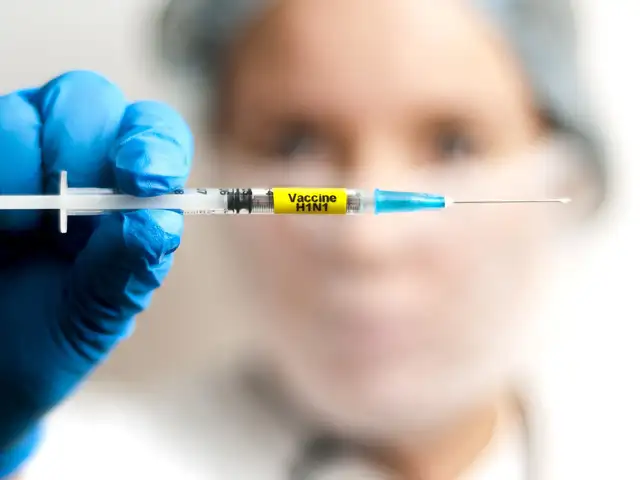
Fact: Vaccination is necessary for adults as much as it is for children. It is the best way to keep swine flu away.
Fact: Vaccination is necessary for adults as much as it is for children. It is the best way to keep swine flu away.
Fact: Antivirals should only be had if suggested by the doctor. In most cases, patients recover from H1N1 influenza after days of rest and hydration. Antivirals like Tamiflu can only reduce the virus symptoms for one day.
Fact: Antivirals should only be had if suggested by the doctor. In most cases, patients recover from H1N1 influenza after days of rest and hydration. Antivirals like Tamiflu can only reduce the virus..
Read More
- Add 2-3 pinches of cinnamon powder in a glass water and consume. Patients on blood thinning medicines should avoid doing this.
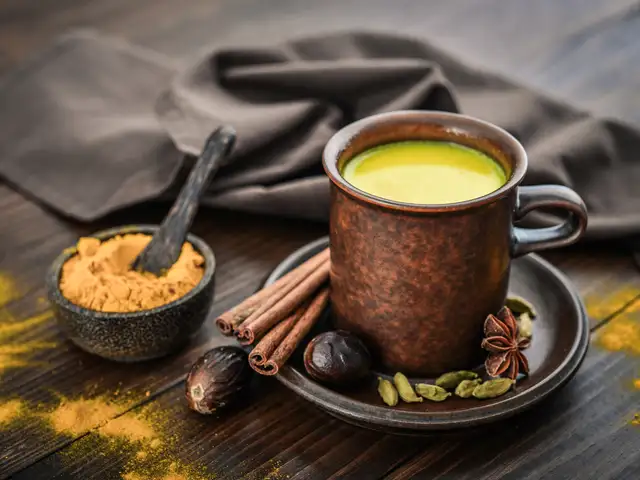
- Drinking milk with 1/2 tsp of turmeric can speed the process.
- Every morning, have gooseberry (amla) with water. The fruit works as an antacid, and can do wonders for people suffering from gastritis (caused due to swine flu).
- Add 2-3 pinches of cinnamon powder in a glass water and consume. Patients on blood thinning medicines should avoid doing this.- Drinking milk with 1/2 tsp of turmeric can speed the process.- Every ..
Business News › Magazines › Panache › Do you often take antibiotics, even without a prescription? It could turn minor infections into a major health concernText Size:AAA








 A new nanotech breakthrough could help heal dangerous wounds antibiotics can’t treat2026-06-18T16:08:45Z

