Diwali Rangoli Designs 2026: 10 Ideas Inspired by Diyas, Lotus Flowers and Traditional Patterns To Decorate Your Home
1/11
Diwali Rangoli Designs 2026: 10 Ideas Inspired by Diyas, Lotus Flowers and Traditional Patterns To Decorate Your Home
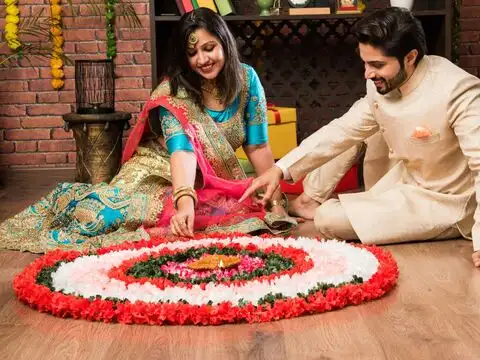
Diwali is a time when homes are adorned with lights, flowers, diyas and bright rangoli. In many Indian households, a popular festive tradition is to make a rangoli at the entrance or courtyard. These colorful patterns are often seen as a way to welcome Goddess Lakshmi and bring good luck and prosperity into the home. If you are looking for some ideas to decorate your home this Diwali, here are 10 rangoli designs that you can try.
2/11
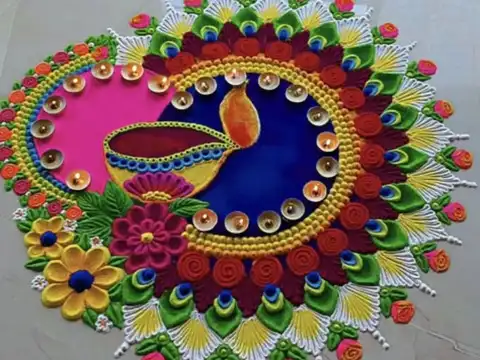
Diya-design rangoli
You can draw the outline of a traditional earthen lamp and fill it with yellow, orange and red colors to highlight the flame. Complete the design by surrounding the diya with smaller patterns, dots and decorative borders. You can also place real diyas around the rangoli to add a festive look in the evening. This design is good near the main entrance or in the yard.
3/11
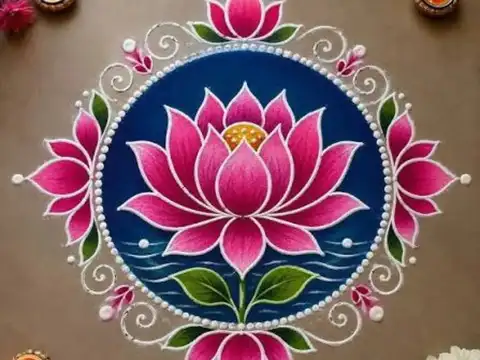
Lotus flower rangoli
Lotus flowers are usually associated with Goddess Lakshmi and are considered a symbol of prosperity and purity. You can make a big lotus with pink or red petals and use white and yellow powder to put details on it. Green leaves around the flower can make the design appear more complete. For a traditional touch, you can place a small diya in the center or along the edges of the rangoli.
4/11
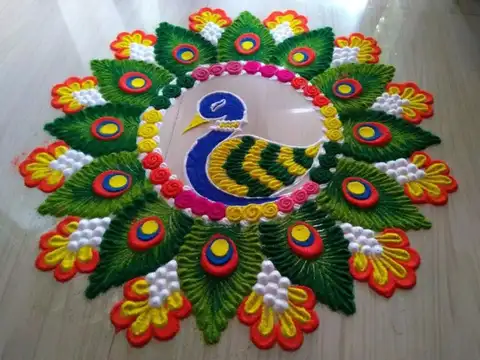
Peacock design rangoli
A peacock rangoli can add bright colors to your Diwali decor. Its detailed feathers allow you to use shades of blue, green, purple and yellow. You can draw the peacock with its feathers spread out or create a design with just its feather patterns. White outlines can highlight color differences and increase the visibility of the design. This rangoli might take a little more time than a simple floral pattern but it can be the main attraction near your entrance.
5/11
Swastik Traditional Rangoli Designs
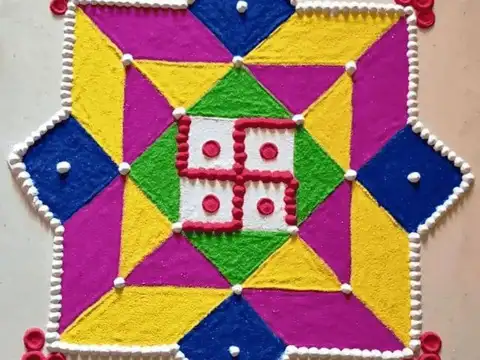
The Swastik is a traditional Hindu symbol of good luck and auspicious beginnings. It is used often in festivals, religious ceremonies and house warming celebrations. For Diwali, you can make a red Swastik in the center of a circular rangoli and decorate it with yellow, white and orange patterns. The main symbol can have small flower shapes, dots and borders added. Make sure that the design is balanced and that the decorations around it are not too complicated so that the central symbol is clearly visible.
6/11
Marigold flower rangoli design
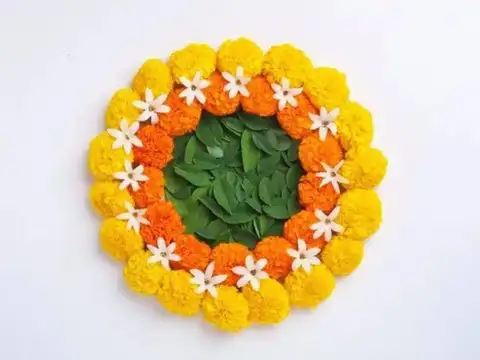
During Diwali, marigold flowers are a common decoration in Indian homes. Their bright yellow and orange colors make them a good choice for creating a natural rangoli. Instead of just using colored powder, you can use fresh marigold petals in circles, flower shapes or layered designs. You can make borders and divide different sections using green leaves. You can also add a few rose petals to the middle for another color. This design is good for people who like to use natural materials for their festive decorations.
7/11
Goddess Lakshmi footprints rangoli design
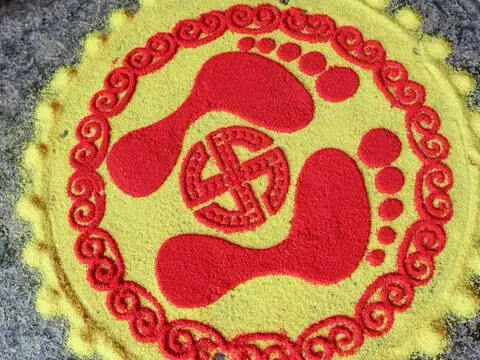
Traditionally they are made to symbolize the arrival of the goddess into the home. You can use red, white or yellow rangoli powder to create small footprints and arrange them from the entrance toward the prayer area. To make the design more attractive, add a decorative border with flowers, diyas or small geometric patterns. The footprints are facing toward the inside of the house, signifying the traditional belief of welcoming Goddess Lakshmi.
8/11
Diwali lantern rangoli
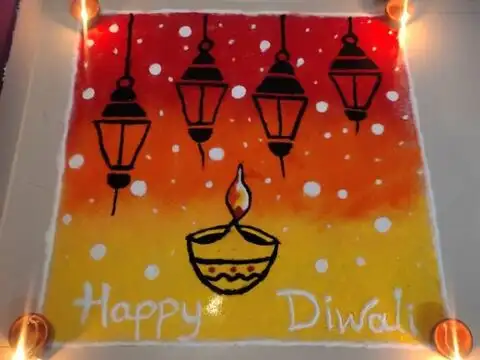
During the Diwali festivities, homes are often adorned with lanterns and kandils. You can repeat the same theme in your rangoli by making a colorful lantern pattern in the center. Design the lantern in red, orange, yellow and purple shades, and use white lines to show its decorative details. Add small stars, dots and light patterns around it to finish the look. This design is especially appropriate for a large space near the entrance, where the lantern pattern can be made the main focus of the decoration.
9/11
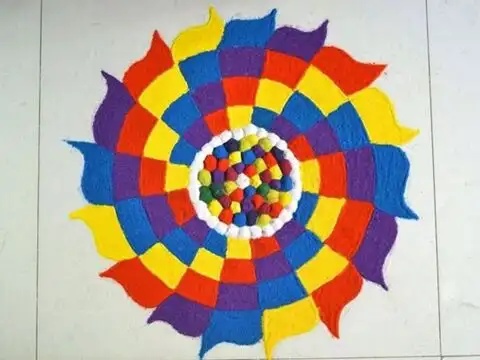
Multi-hued patterns with geometric rangoli
You can start with a circle or square in the middle and build the pattern using triangles, diamonds and other shapes. To make each section stand out, use contrasting colors, such as blue, pink, yellow, green and white. You can add small dots and curved lines along the edges for extra detail. Geometric rangolis give you the freedom to experiment with different shapes and color combinations, unlike designs that depend on religious symbols or flowers.
10/11
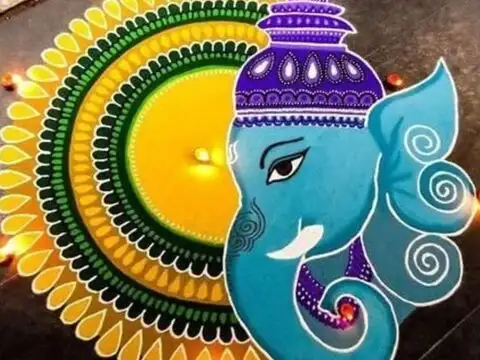
Rangoli design of Ganesha
You can draw the outline of Lord Ganesha in the center and fill it in orange, yellow, red and pink colors. Add a decorative border with small flowers, dots and traditional designs. If drawing a detailed figure is tough, a simple outline of Ganesha’s face or trunk can work well too. Keep the surrounding patterns balanced so the main design is still the focus.
11/11
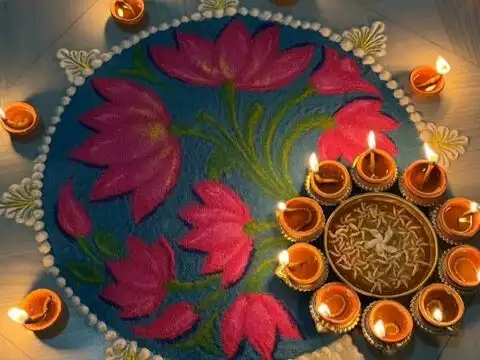
Floating diya and water rangoli
A water inspired rangoli can give a different look to Diwali decorations. Use the colors blue and white to show the water and make a circular design. Around the middle of the design place lotus flowers or floating diyas. So you can use pink and yellow to make the flowers pop against the blue background. To give it a festive look, place a small bowl of floating flowers and tea lights alongside the rangoli. A traditional pattern with diyas and floral decorations. This works well in a spacious entrance or courtyard.