Delhi gets a new art address in Bikaner House; debut show with 11 artists on works that flit between space and time
Artists on display include Jitish Kallat, Bharti Kher, Atul Dodiya among others.
By ET Online | Updated:
Agencies
Dayanita Singh's File Room delves into papers and documents left in government offices.
NEW DELHI: There’s a new address for art lovers in the National Capital. Located in the sprawling compound within the renovated Bikaner House, the Centre for Contemporary Art has opened to the public, standing tall in what used to be the Intelligence Bureau’s office at one point.
Straddling across the worlds of now and then, the opening two exhibitions - ‘The Idea of the Acrobat’ and ‘Terranum Nuncius’ - organised by Nature Morte marries aesthetics, syntax, colour, contemporary culture and social messaging in its diverse offerings.
‘The Idea of the Acrobat’, as it delves into the life of an acrobat, captures typical life hours from gymnastics to juggling, tight-rope walking and trapeze acts. Conceptualised by 12 artists, it chronicles an acrobat’s existence across media, splashed across painting, sculpture, photography, video, and installation.
The other exhibition is Jitish Kallat's ‘Terranum Nuncius’ that has travelled to Delhi after a spectacular response in Mumbai earlier last month. Kallat’s offering includes two major new works: a photographic-and-sound installation entitled “Covering Letter (terranum nuncius)” and “Ellipsis,” his largest painting to date.
For Mumbai-born, Delhi-based gallerist Aparajita Jain who has curated the shows, along with Nature Morte co-founder Peter Nagy, bringing 11 artists together under one roof was quite a feat. And it took them a span of six months to finalise the artists. But, it seems to have been an enriching experience.
Bharti Kher’s work of art is her vision of the largest organ of any known being on earth. (In pic: Kher's An Absence of Assignable Cause)
ADVERTISEMENT
“When finalising the line-up, we wanted the youth, and the modern, and all that goes with it. We went through deep discussions with artists on what they had and what they were working on,” Jain says.
The 40-year-old, whose exposure to art began early in life thanks to a Kolkata upbringing that helped her distinguish her Jamini Roys from Raja Ravi Varmas early on, laments the loss of national interest in art, and how as a nation we remain largely agnostic to its reach and influence, with a ‘child being able to recognise Deepika Padukone and a Virat Kohli but not a Husain work’.
“We have a rich repository of classical art and culture. Yet, globally, our soft power is seen as being defined only by Bollywood,” she says, recalling how it triggered the thought of taking art to more people, beyond the gallery to external, open spaces that make it seem less elitist and perhaps intimidating, as well.
And through the works of Nidhi Agarwal, Atul Dodiya, Shilpa Gupta, Reena Saini Kallat, Bharti Kher and Manish Nai among others, the ongoing exhibition has tried to lend a fresh perspective to abstract art and make it accessible to a larger audience.
ADVERTISEMENT
Bringing 11 artists together under one roof was quite a feat for Aparajita Jain. Kallat through his installation, Covering Letter (Terranum Nuncius) brings together select sounds and images that were composed for expedition into interstellar space as a planetary message to extraterrestrial life. Drawing from the two phonographic Golden Records that were hoisted onto the legendary Voyager 1 and 2 space probes launched by NASA in 1977, it conveys the journey of life, now and beyond. Add to that the sounds permeating the gallery with greetings in 55 languages, and the experience is overwhelming.
As one walks through the lawns of Bikaner House to reach the Centre, there stands an imposing 14-foot-high sculptural interpretation of the heart of the blue sperm whale, set at a tilt, so that it looms over its viewers, prompting fantasies and fears of extinction. Bharti Kher’s work of art is her vision of the largest organ of any known being on earth.
ADVERTISEMENT
The Idea of Acrobat, and Terranum Nuncius, is open till February 19 at Bikaner House, New Delhi.
(All images: Courtesy Nature Morte)
Picasso Isn't The Only One: Artists Who Shared A Troubled Bond With Their Muse
1/6
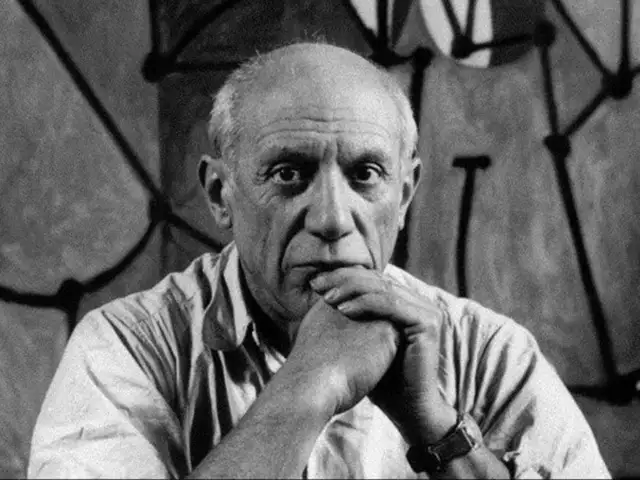
Pablo Picasso immortalised French artist and lover Dora Maar through his paintings. Now, she is stepping out of his shadow, with a retrospective of her works at the Pompidou Centre. A look at other artists and their troubled bond with their inspirations.
Pablo Picasso immortalised French artist and lover Dora Maar through his paintings. Now, she is stepping out of his shadow, with a retrospective of her works at the Pompidou Centre. A look at other a..
Read More
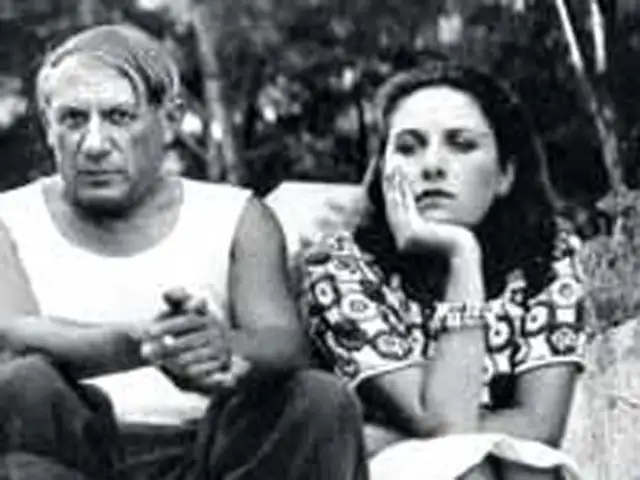
Picasso was almost 30 years older than Walter when he met her in 1927. The painter and his muse had a secret affair for over eight years before Walter got pregnant and the affair was discovered by Picasso’s wife, Olga. At the time, Picasso was also having an affair with Dora Maar. The artist suggested that both his muses fight it out for his affections. Walter continued to be involved with Picasso till the early 1940s.
Picasso was almost 30 years older than Walter when he met her in 1927. The painter and his muse had a secret affair for over eight years before Walter got pregnant and the affair was discovered by Pi..
Read More
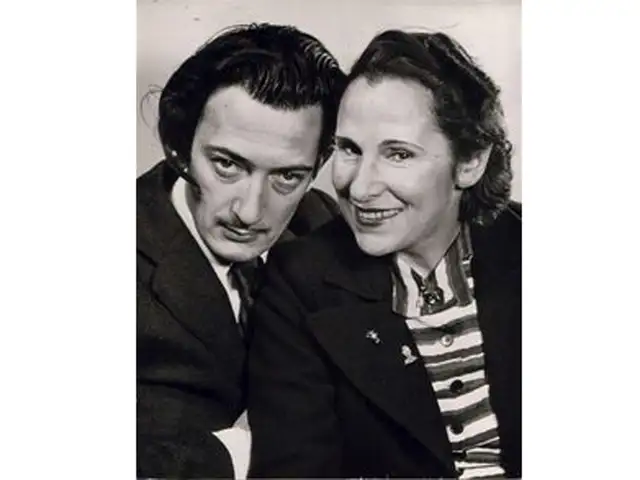
Gala, born in Russia, was first married to poet Paul Éluard. The two had an open marriage and Éluard would introduce Gala to new artists, including Max Ernst, who became one of her lovers. Gala met Salvador Dali in 1929 and soon after, they began to live together. Almost immediately after they met, Dali began featuring Gala in his paintings. She became his muse, portrait model and business manager. He even signed his paintings with both of their names. The two tied the knot in 1934, but Gala continued to have affairs. Her death in 1982 reportedly took a terrible toll on the artist.
Gala, born in Russia, was first married to poet Paul Éluard. The two had an open marriage and Éluard would introduce Gala to new artists, including Max Ernst, who became one of her lovers. Gala met S..
Read More
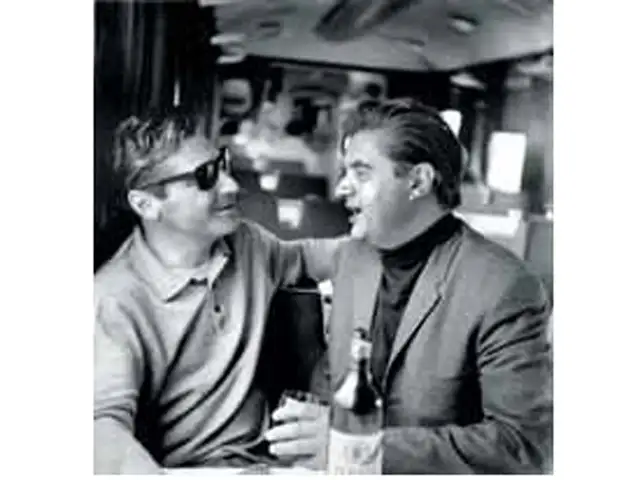
Bacon’s relationship with Dyer was fraught with conf lict and had a tragic end. Their relationship began in late 1963 in a pub in Soho and was infused with passion, alcohol and drugs. From then, Dyer became Bacon’s muse. However, their relationship started to go downhill, and Dyer’s addiction worsened with time. Two days before the opening of the Francis Bacon Retrospective at the Grand Palais in Paris in 1971, Dyer committed suicide. Bacon painted the renowned three ‘Black Triptychs’, which portrayed a few moments before and after Dyer’s suicide.
Bacon’s relationship with Dyer was fraught with conf lict and had a tragic end. Their relationship began in late 1963 in a pub in Soho and was infused with passion, alcohol and drugs. From then, Dyer..
Read More
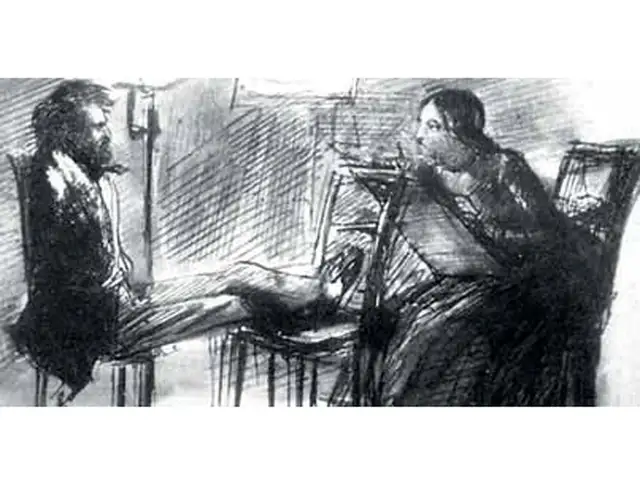
Siddal was the muse and model for many pre-Raphaelites before sitting for Rossetti in 1851. Within two years, Siddal and Rossetti began to work with each other exclusively. By 1853, the couple lived together and reportedly became absorbed in each other to the point of becoming anti-social. Some reports suggest that Siddal was plagued by insecurities that she would be replaced by a younger muse and Rossetti worried about his family’s approval. The two married in 1860. Siddal died of an overdose of laudanum two years later.
Siddal was the muse and model for many pre-Raphaelites before sitting for Rossetti in 1851. Within two years, Siddal and Rossetti began to work with each other exclusively. By 1853, the couple lived ..
Read More
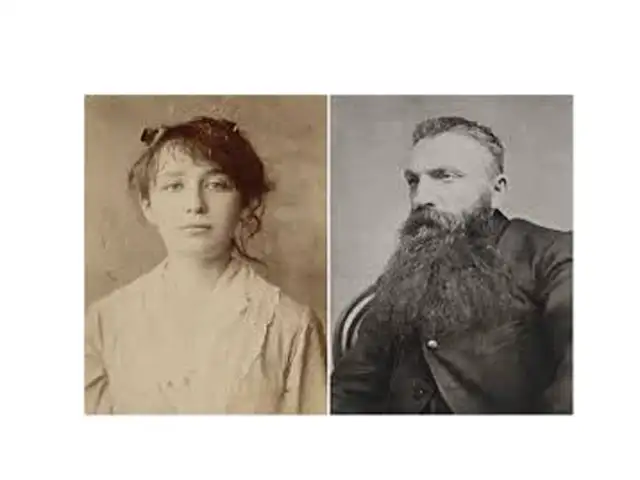
Claudel was a French sculptor who started to work as the assistant of renowned sculptor Auguste Rodin. Rodin was drawn to her and soon, she was his lover and muse. What followed was a tumultuous 10-year relationship. Rodin, already in a committed relationship, was not prepared to leave his long-term partner. The destructive aftermath of the affair turned Claudel into a paranoid recluse. She threw away most her of work and spent the last 30 years of her life confined to a mental institution.
Claudel was a French sculptor who started to work as the assistant of renowned sculptor Auguste Rodin. Rodin was drawn to her and soon, she was his lover and muse. What followed was a tumultuous 10-y..
Business News › Magazines › Panache › Delhi gets a new art address in Bikaner House; debut show with 11 artists on works that flit between space and timeText Size:AAA