Delhi & Ahmedabad like to add extra butter to their dal fry; men like fat in their food more than women
Almost all non-vegetarian food items have high amounts of 'added fat', the ICMR study revealed.
By PTI |
iStock
Added fat was high in dishes such as dal fry, rice, stuffed paratha, chuduva, Karnataka's bisi bele bath and puliyodharai.
NEW DELHI: Delhi and Ahmedabad topped the list of seven metro cities in daily average consumption of 'added fat' in dishes such as dal fry, stuffed paratha and mutton biryani, while Hyderabad was at the bottom of the list according to a recent survey.
The Indian Council of Medical Research (ICMR) survey also revealed that men consume more fat at 34.1 gram per person daily, than women who consume 31.1 gram per day across the seven cities - Ahmedabad, Bengaluru, Chennai, Delhi, Hyderabad, Kolkata and Mumbai.
Added fat was high in dishes such as dal fry, rice, stuffed paratha, chuduva, bisi bele bath - a rice-based dish with origins in Karnataka -- and puliyodharai also known as tamarind rice. Mutton Birynai has more fat than chicken biryani or cereal-based and non-vegetarian recipes, it found.
According to the study, those who eat deep-fried food consumed more added fat than those who ate boiled and shallow-fried food.
Also, almost all non-vegetarian foods, mostly consumed in urban areas, has high amounts of added fat, the study revealed.
The survey was carried out by Indian Council of Medical Research-National Institute of Nutrition (ICMR-NIN) from the database of National Nutrition Monitoring Bureau study (2015-16), ICMR-NIN-Hyderabad. The analysis was supported by International Life Sciences Institute-India (ILSI-India).
ADVERTISEMENT
Parathas are incomplete without a cube of butter on top. Professor P K Seth, the chairman of ILSI India, said added fat consumption levels were significantly higher in Delhi and Ahmedabad at 44.4 gram per person daily and 43.9 gram each day respectively.
The average intake of added fat in Mumbai and Hyderabad were the lowest at 28.8 gram per person daily and 25.1 gram per person each day respectively, he said.
The average intake of added fat in all the seven metro cities pooled together was 32.6 gram per person each day, which was higher than ICMR-recommended levels at 20g/person/day. Overall, 18 per cent of the total intake of energy was obtained from visible fat, the survey found.
ADVERTISEMENT
About the methodology used for assessing added fat intake, Dr A Laxmaiah, the head of the division of Public Health Nutrition in NIN, said they evaluated the intake of an assortment of food such as regular home-made food, packaged food, sweet-based preparations, bakery and biscuits, and milk products to come out with the quantum of added fat across a fairly large sample of 5,123 individuals from 1,293 households.
Men consume more fat at 34.1 gram per person daily, than women who consume 31.1 gram per day across the seven cities - Ahmedabad, Bengaluru, Chennai, Delhi, Hyderabad, Kolkata and Mumbai. The data was collected by the National Nutrition Monitoring Bureau (NNMB) and analysed by the Division of Public Health Nutrition, NIN. The collated data was also used to measure gender-wise consumption of added fat.
ADVERTISEMENT
The highest intake of added fat was observed in the age group of 36 to 59 (36.1 gram/person/day), followed by 18-35 age group (34.8 g/person/day) and adolescents (32.8 g/person/day). The least intake of added fat was noticed in children under the age of five (15.7/g/person/day).
The researchers noted that contrary to general belief, vegetarians consumed more fat (40.7 gram) than non-vegetarians (30.2 gram) in these seven metro cities.
"It is important that people are motivated to have a balanced diet, adopt healthy lifestyle, undertake physical activity, including Yoga," Prof Seth said.
World Nutrition Day: Proteins, Vitamins, Calcium And Other Nutrients You Need For A Balanced Diet
1/8
Too busy to prioritise what you eat? It just needs a conscious thought before eating any meal and basic understanding of different kinds of food and nutrients like Vitamin C, Vitamin A, iron, calcium, protein, energy and folic acid.
It is important to consume food that can provide good nutrition for a healthy lifestyle.
The Indian dietary guidelines recommend that a balanced diet should provide around 50-60% of total calories from carbohydrates, preferably complex carbohydrates, about 10-15% from proteins, and 20-30% from both visible and invisible fats. A balance diet should also provide vitamins and minerals along with dietary fibres and antioxidants.
Dr Rajan Sankar, Senior Advisor - Nutrition at Tata Trusts, shares what one needs to eat to get started.
Too busy to prioritise what you eat? It just needs a conscious thought before eating any meal and basic understanding of different kinds of food and nutrients like Vitamin C, Vitamin A, iron, calcium..
Read More
Carbohydrates are either simple or complex and are a major source of energy. Simple carbohydrates are found in fruits, vegetables, etc. while complex carbohydrates abound in cereals, roots, tubers, grains, etc. In the Indian diet, 70-80% of total dietary calories are derived from carbohydrates present in plant foods such as cereals, millets and pulses.
Also, fats - often termed 'bad' - are essential like other macronutrients. They are needed for energy, absorbing vitamin, and protecting the heart and brain health. Bad fats such as trans-fats and saturated fats, generally found in vegetable shortenings, butter, fried foods, hydrogenated oils are rightly blamed for weight gain and clogged arteries. But 'good' fats, such as unsaturated fats and omega 3, present in nuts and oil seeds, play a major role in managing mood, fighting fatigue, and even controlling weight.
Eat a lot of cereals, tubers, rice, wheat, potatoes, almonds, walnuts, coconut, groundnuts, oil seeds, vegetables oil, ghee, etc.
Carbohydrates are either simple or complex and are a major source of energy. Simple carbohydrates are found in fruits, vegetables, etc. while complex carbohydrates abound in cereals, roots, tubers, g..
Read More
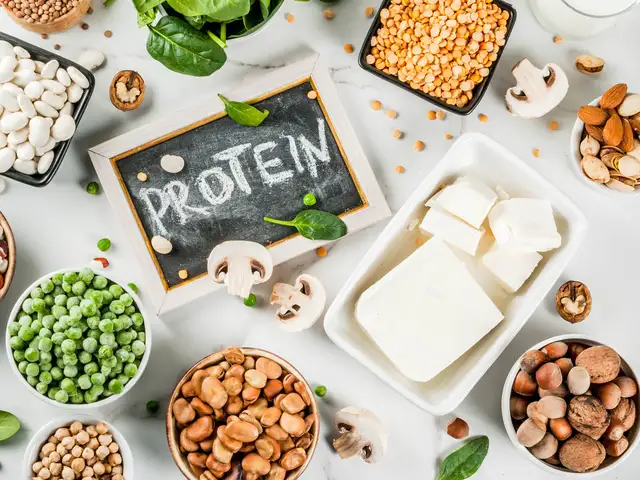
Proteins, the 'body-building foods', are primary structural and functional components of every living cell. Milk, meat, fish and eggs and plant foods such as pulses and legumes are rich in protein. A typical Indian diet is mainly vegetarian. Therefore, a combination of cereals, millets and pulses must be eaten as it provides most of the amino-acids, which complement each other to provide better quality proteins.
One should also eat Bengal gram, green gram, lentils, red gram, cheese, khoya, milk powder, and nuts and oilseeds like groundnuts, cashew nuts, almond.
Proteins, the 'body-building foods', are primary structural and functional components of every living cell. Milk, meat, fish and eggs and plant foods such as pulses and legumes are rich in protein. ..
Read More
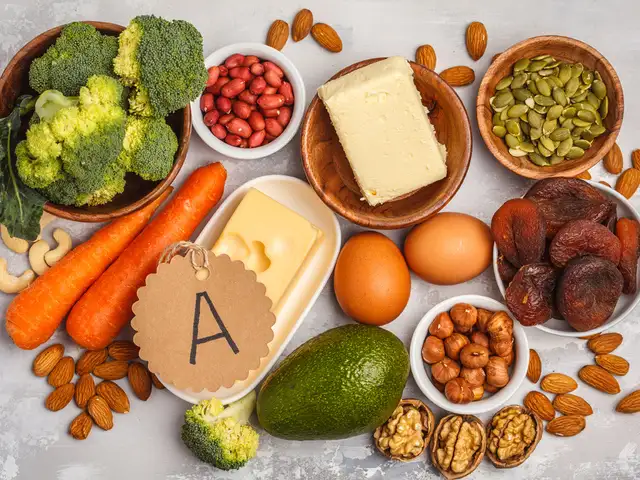
Vitamins and minerals, and essential micronutrients, are required by the body in small amounts. They are essential for maintenance of the structure of skin, bones, nerves, eyes, brain and organs, as well as battling infections. Deficiencies, however, can lead to severe problems. The best way to ensure healthy growth and development is to consume a wide variety of fresh foods like leafy vegetables like ambat chukka, coriander, spinach, mint, amaranth, fenugreek, radish leaves and curry leaves, pumpkin, green chilies, carrots, fruits like mangoes and papaya, eggs, meats, dairy products, pulses and cereals.
Vitamins and minerals, and essential micronutrients, are required by the body in small amounts. They are essential for maintenance of the structure of skin, bones, nerves, eyes, brain and organs, as ..
Read More
It's important to limit use of butter, refined flour, sugars, ready-to-eat fast food, and processed food. Cut down salt, soft drinks and fatty foods. Preferably, fill your plate with seasonal and locally available fruits and vegetables.
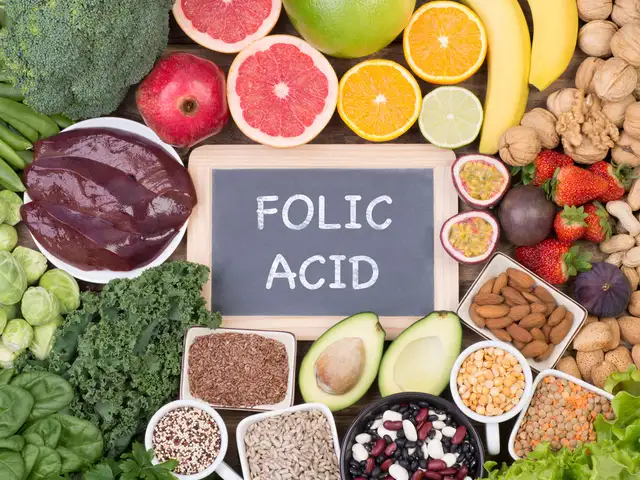
To have a good intake of folic acid, green leafy vegetables like amaranth, ambat chukka, mint and spinach, and pulses like Bengalgram, blackgram, greengram and redgram.
It's important to limit use of butter, refined flour, sugars, ready-to-eat fast food, and processed food. Cut down salt, soft drinks and fatty foods. Preferably, fill your plate with seasonal and lo..
Read More
Make sure half of your plate consists of fruits and vegetables. Also, don't forget to include whole grains and cereals.
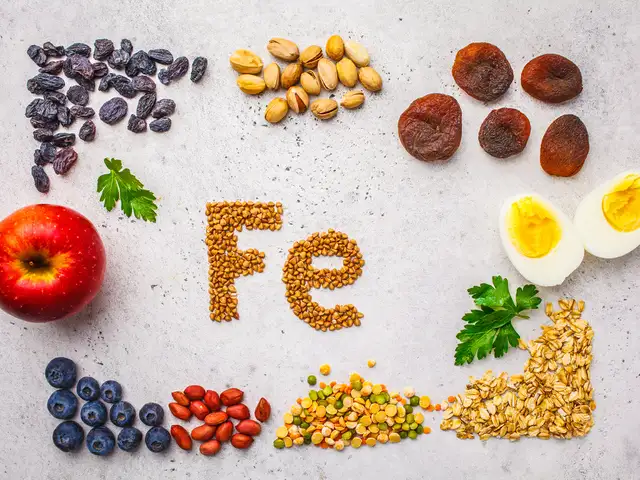
Iron deficiency can lead to extreme fatigue. To keep the haemoglobin level in desired levels, include iron-rich foods like amaranth, bengalgram, leaves, cauliflower, greens, radish leaves
Make sure half of your plate consists of fruits and vegetables. Also, don't forget to include whole grains and cereals.
Iron deficiency can lead to extreme fatigue. To keep the haemoglobin level in ..
Read More
While it is important to eat macronutrients (carbohydrate, proteins and fats) in relatively large quantities, it is sufficient to consume micronutrients (vitamins and minerals) in rather small quantities.
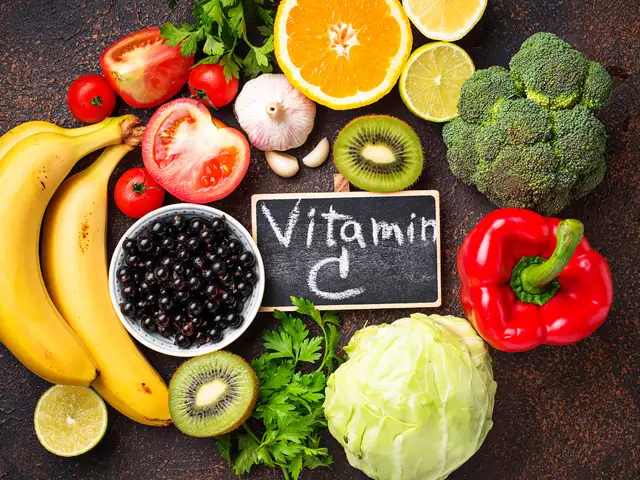
In order to get Vitamin C, eat more of citrus fruits, amla, guava, lemon, tomatoes, etc.
While it is important to eat macronutrients (carbohydrate, proteins and fats) in relatively large quantities, it is sufficient to consume micronutrients (vitamins and minerals) in rather small quant..
Read More
Always choose healthier options when eating out, and read the nutrition labels and ingredient list when buying food.
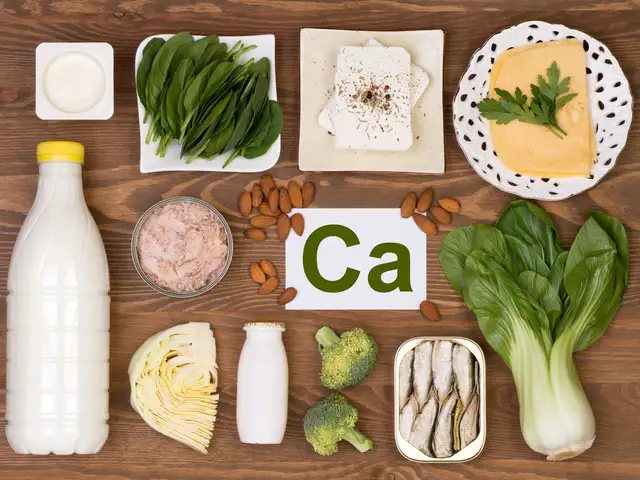
For a calcium-rich diet, eat cereals and legumes, ragi, kidney beans, soyabean, milk and milk products, nuts and oilseeds like coconut dry, almond, gingelly seeds, sunflower seeds.
Always choose healthier options when eating out, and read the nutrition labels and ingredient list when buying food.
For a calcium-rich diet, eat cereals and legumes, ragi, kidney beans, soyabean, ..
Business News › Magazines › Panache › Delhi & Ahmedabad like to add extra butter to their dal fry; men like fat in their food more than womenText Size:AAA