Covid is here to stay! Don't ignore symtoms, get tested & follow isolation rules to manage the virus better
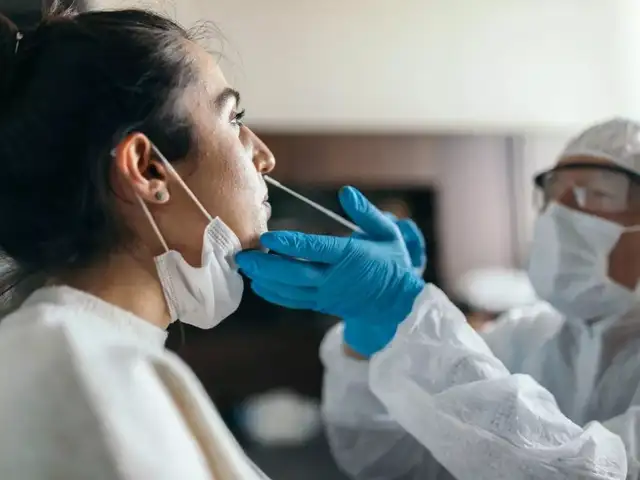
If you start to see symptoms, it's always better to know your Covid status.
By PTI |

iStock
GEELONG (AUSTRALIA): Changes to isolation rules remove the mandate for people to isolate if they test positive for COVID.
Isolation requirements will remain for high-risk settings such as aged care, disability care, Aboriginal health care and hospitals. Workers in these sectors who can't access paid leave while isolating will still be able to access financial support, but pandemic payments won't be available to the rest of the population.
While isolation won't be mandatory for most, it's still important to be aware of your own infection risk and be careful around others if you test positive for COVID or have respiratory symptoms.
Should you still test?
If you're worried you've been exposed to someone with the virus, or start to see symptoms, it's always better to know your COVID status. Ignoring it can put yourself and others at risk.
Knowing you're COVID positive is especially critical for people who are at greater risk of severe infection because they are severely immunocompromised, aged over 50 (or over 30 for Aboriginal and Torres Strait Islander people) with two additional risk factors, or those aged 70 and above. A positive test enables people in these groups to access antivirals, which need to begin within five days of symptom onset.
Antivirals can prevent an infection escalating into a severe illness or hospitalisation. A recent Israeli study of the antiviral Paxlovid found it effectively reduced COVID severity in people 65 and over infected with Omicron. Hospitalisation rates dropped from 58.9 per 100,000 days of follow-up to 14.7. This is a four-fold decrease and comparable to rates in younger adults.
If you are at-risk and have symptoms, try to get a PCR test, if possible, as this can detect an infection earlier than a rapid antigen test (RAT).
I've tested positive, so how long should I isolate?
The infectious period starts a day or two before symptoms and can continue for more than ten days. As time goes on, the viral load drops away, so you're less infectious.
The general advice used to be to isolate until 48 hours after symptoms resolve. But many infections may not have obvious symptoms, and some symptoms continue after the infection, so so it's worth monitoring using a RAT.
RATs perform best a few days into an infection. So while they may not pick up all infections initially, they can indicate whether you are still infectious at the end of your infection.
A recent US study of mostly young, vaccinated people concluded that for people with lingering mild symptoms, such as a persistent dry cough, a negative RAT could guide when it was safe to stop isolating. However, half those with a positive RAT didn't appear to be infectious.
Still, it's better to err on the side of caution if you work in high-risk settings or mix with people vulnerable to serious disease.
Isolate while you have symptoms in summer
Symptoms remain an important way to identify risk. As we move out of the cold and flu season, there will be fewer other respiratory infections around. So coughs with fever will more likely be a sign of COVID and should be assumed so, regardless of testing.
A March 2022 UK survey reported 1,687 of 6,260 of infections, or just over one-quarter of those with known symptom status, were in people without symptoms. What's more, 1,343 people tested positive who did have symptoms, but did not have typical COVID symptoms. So, just under half of the infections detected in this study might not have been recognised as COVID infections without testing.
Due to high rates of vaccination and previous infection, a larger proportion of people with COVID may be asymptomatic rather than having tell-tale symptoms.
Monitoring for COVID symptoms will therefore not identify all infections. So take care, especially when around vulnerable people

Masks work when Omicron exposure risk is high
In the UK during Delta and the Omicron BA.1 waves, surveys of randomly selected participants reported 13-36% higher infections rates in people who said they only sometimes wore masks (4.3%) or rarely wore them (5.2%) compared with those who said they always wore masks (3.8%).
This gap diminished after the Omicron BA.1 peak, as infections declined.
But masks do help reduce the risk of infection with Omicron, especially when infection rates are high.
So when you're in crowded indoor spaces such as public transport, it's best to assume the virus is present and mask up.
Why avoid infection? Long COVID can be debilitating
Although things have improved in terms of severe acute disease, minimising risk of infection remains important given the risk of long COVID, which can be debilitating for some, even after mild infections.
Among Omicron infections, 4.5% of 56,003 people experienced long COVID. This compares with 10.8% of 41,361 Delta cases.
However, vaccination reduces the risk. Studies show vaccinated people are 60% less likely to develop long COVID than unvaccinated people, and 70% less likely after a booster dose.
COVID is here to stay
The removal of isolation mandates does not mean we ignore COVID, or stop isolating, or give up managing the risk we might pose to others. It will take ongoing efforts to manage the risks individually and globally.
Vaccines help reduce severe illness and long COVID. But with infections already on the rise overseas and other Omicron sub-variants emerging, we need to be thinking ahead.
This is now the long game, so monitoring our exposure risk, being aware of our symptoms, testing when we suspect we have been exposed, and isolating when we need to, will continue to be the best way to protect ourselves, and those around us.
(The article has been shared by PTI via The Conversation)
Isolation requirements will remain for high-risk settings such as aged care, disability care, Aboriginal health care and hospitals. Workers in these sectors who can't access paid leave while isolating will still be able to access financial support, but pandemic payments won't be available to the rest of the population.
While isolation won't be mandatory for most, it's still important to be aware of your own infection risk and be careful around others if you test positive for COVID or have respiratory symptoms.
Should you still test?
If you're worried you've been exposed to someone with the virus, or start to see symptoms, it's always better to know your COVID status. Ignoring it can put yourself and others at risk.
Knowing you're COVID positive is especially critical for people who are at greater risk of severe infection because they are severely immunocompromised, aged over 50 (or over 30 for Aboriginal and Torres Strait Islander people) with two additional risk factors, or those aged 70 and above. A positive test enables people in these groups to access antivirals, which need to begin within five days of symptom onset.
Antivirals can prevent an infection escalating into a severe illness or hospitalisation. A recent Israeli study of the antiviral Paxlovid found it effectively reduced COVID severity in people 65 and over infected with Omicron. Hospitalisation rates dropped from 58.9 per 100,000 days of follow-up to 14.7. This is a four-fold decrease and comparable to rates in younger adults.
ADVERTISEMENT
If you are at-risk and have symptoms, try to get a PCR test, if possible, as this can detect an infection earlier than a rapid antigen test (RAT).
I've tested positive, so how long should I isolate?
The infectious period starts a day or two before symptoms and can continue for more than ten days. As time goes on, the viral load drops away, so you're less infectious.
The general advice used to be to isolate until 48 hours after symptoms resolve. But many infections may not have obvious symptoms, and some symptoms continue after the infection, so so it's worth monitoring using a RAT.
RATs perform best a few days into an infection. So while they may not pick up all infections initially, they can indicate whether you are still infectious at the end of your infection.
ADVERTISEMENT
A recent US study of mostly young, vaccinated people concluded that for people with lingering mild symptoms, such as a persistent dry cough, a negative RAT could guide when it was safe to stop isolating. However, half those with a positive RAT didn't appear to be infectious.
Still, it's better to err on the side of caution if you work in high-risk settings or mix with people vulnerable to serious disease.
ADVERTISEMENT
Isolate while you have symptoms in summer
Symptoms remain an important way to identify risk. As we move out of the cold and flu season, there will be fewer other respiratory infections around. So coughs with fever will more likely be a sign of COVID and should be assumed so, regardless of testing.
A March 2022 UK survey reported 1,687 of 6,260 of infections, or just over one-quarter of those with known symptom status, were in people without symptoms. What's more, 1,343 people tested positive who did have symptoms, but did not have typical COVID symptoms. So, just under half of the infections detected in this study might not have been recognised as COVID infections without testing.
Due to high rates of vaccination and previous infection, a larger proportion of people with COVID may be asymptomatic rather than having tell-tale symptoms.
Monitoring for COVID symptoms will therefore not identify all infections. So take care, especially when around vulnerable people
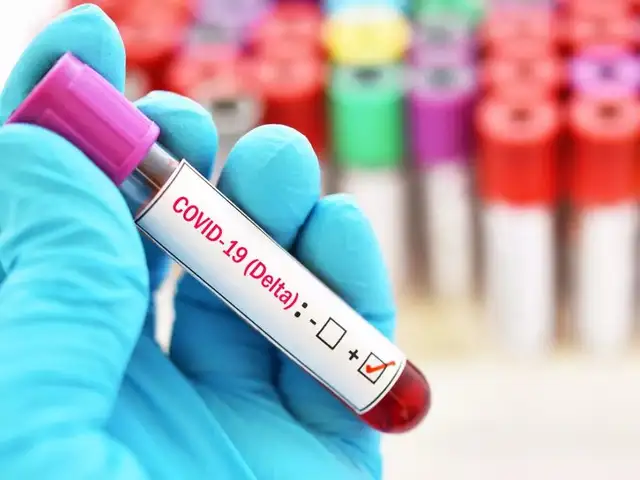
The continued spread of the SARS-CoV-2 virus has spawned a Greek alphabet of variants - a naming system used by the World Health Organization (WHO) to track concerning new mutations of the virus that causes COVID-19. Some have equipped the virus with better ways of infecting humans or evading vaccine protection.
Scientists remain focused on Delta, now the dominant variant around the world, but are tracking others to see what may one day take its place.



Masks work when Omicron exposure risk is high
In the UK during Delta and the Omicron BA.1 waves, surveys of randomly selected participants reported 13-36% higher infections rates in people who said they only sometimes wore masks (4.3%) or rarely wore them (5.2%) compared with those who said they always wore masks (3.8%).
This gap diminished after the Omicron BA.1 peak, as infections declined.
But masks do help reduce the risk of infection with Omicron, especially when infection rates are high.
So when you're in crowded indoor spaces such as public transport, it's best to assume the virus is present and mask up.
Why avoid infection? Long COVID can be debilitating
Although things have improved in terms of severe acute disease, minimising risk of infection remains important given the risk of long COVID, which can be debilitating for some, even after mild infections.
Among Omicron infections, 4.5% of 56,003 people experienced long COVID. This compares with 10.8% of 41,361 Delta cases.
However, vaccination reduces the risk. Studies show vaccinated people are 60% less likely to develop long COVID than unvaccinated people, and 70% less likely after a booster dose.
COVID is here to stay
The removal of isolation mandates does not mean we ignore COVID, or stop isolating, or give up managing the risk we might pose to others. It will take ongoing efforts to manage the risks individually and globally.
Vaccines help reduce severe illness and long COVID. But with infections already on the rise overseas and other Omicron sub-variants emerging, we need to be thinking ahead.
This is now the long game, so monitoring our exposure risk, being aware of our symptoms, testing when we suspect we have been exposed, and isolating when we need to, will continue to be the best way to protect ourselves, and those around us.
(The article has been shared by PTI via The Conversation)
Download
The Economic Times Business News App for the Latest News in Business, Sensex, Stock Market Updates & More.
The Economic Times Business News App for the Latest News in Business, Sensex, Stock Market Updates & More.
Related Articles
 “Jesus Christ is coming and COVID is going to kill us all”: Florida mother who drowned her baby in a bathtub and stabbed her husband, daughter found not guilty. Here's why2026-06-25T12:25:29Z
- U. S government health CDC journal blocked COVID-19 vaccine study but paper has finally been published. What is in it? Details here2026-06-24T13:38:00Z
- No IIT, No MIT: After facing financial crisis during COVID-19, a 19-year-old is now earning Rs 1 crore by selling courses2026-06-24T03:48:14Z
ADVERTISEMENT


