Covid-19 doesn't spread through blood, but prospective donors must maintain hand hygiene
The Health Ministry said that Covid-19 positive patients are unsuitable donors.
By ET CONTRIBUTORS |

iStock
By Dr Murali Chakravarthy
Voluntary blood donation is perhaps the most altruistic act that all of us could carry out. Saving the lives of recipients is well known, but the less-known positive effects on the donor should promote healthy individuals to donate blood once every three months. On a normal day, blood banks struggle to recruit their quota, and the Covid-19 has only made matters worse.
COVID-19 infection is something which our generation has not seen. Social distancing, repeated hand hygiene, wearing masks was never a part of our social life, but it is now. During the lockdown period, both blood donation and utilisation decreased.
One can presume the reasons for both:
First: Because the donors could not travel to donate blood
Second: Because of decrease in surgical operations and road traffic accidents (due to lack of traffic)
Globally, blood banks depend on voluntary blood donors for maintaining their stocks. When the lockdown was lifted in phases, need for blood arose, but the reluctance of voluntary donors to donate caused acute blood shortage.
Donors and healthcare personnel involved in the process of donation or collection must protect each other by wearing an N-95 mask. The donors must be aware of the fact that there may be an asymptomatic COVID-19 positive patient waiting to be tested in the hospital, who may infect the prospective donor.
The Ministry of Health and Family Welfare has circulated a guideline for blood collection. It clearly states that those who are suffering from COVID-19, with travel history, and are in contact with COVID-19 positive patients are unsuitable donors. That being said, various hospitals are giving out forms to be filled by the prospective donor to eliminate the possibility of the donor himself being infected.
It is common for blood banks to generate their requirements via blood donation camps. In these times, while organising a blood donation camp may be permitted, but appropriate physical distancing should be observed.
(The author is MD Chairman, Central Infection Prevention and Control Committee, Fortis Hospital, Bangalore)
Unexplained fatigue, weakness, headaches, breathlessness, racing heart, dizziness and poor appetite could be signs of low haemoglobin.
Haemoglobin is an iron-rich protein present in red blood cells which determines the blood count and oxygen level in the body.
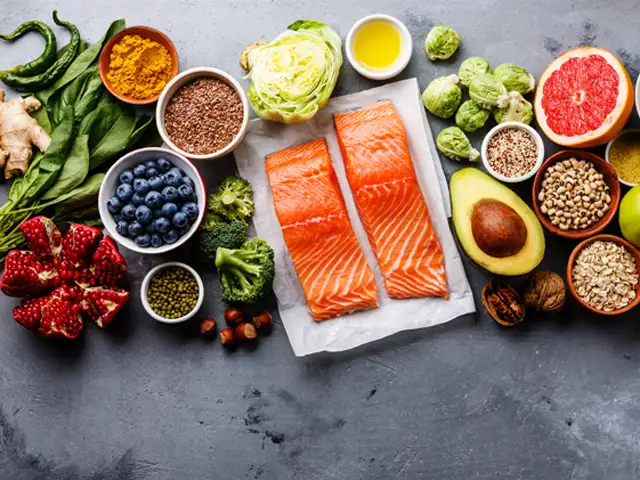
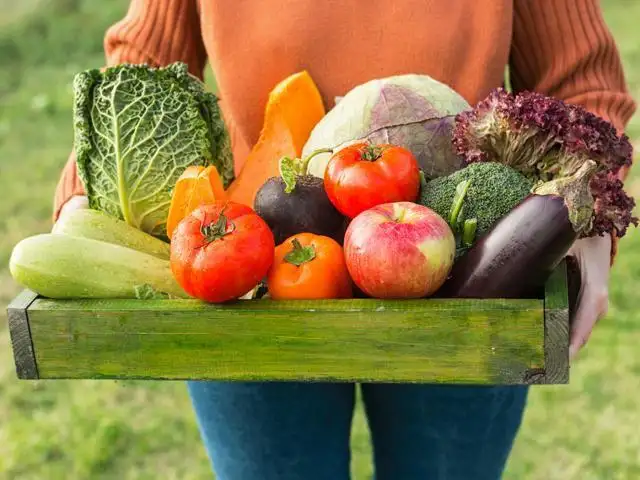
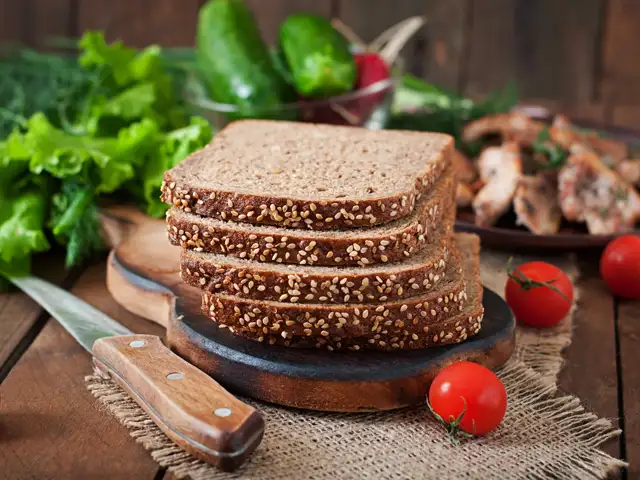
Mostly menstruating or pregnant women, growing children, and patients recovering from illnesses are susceptible to haemoglobin deficiency. A well-balanced diet with iron-rich food items can work wonders to increase the quality of blood.
Dr Kajal Yeptho Pandya, head of Department of Dietetics at Medanta - The Medicity explains how each meal with a variety of foods and portion sizes can up the haemoglobin level and moderate calorie intake.
Voluntary blood donation is perhaps the most altruistic act that all of us could carry out. Saving the lives of recipients is well known, but the less-known positive effects on the donor should promote healthy individuals to donate blood once every three months. On a normal day, blood banks struggle to recruit their quota, and the Covid-19 has only made matters worse.
COVID-19 infection is something which our generation has not seen. Social distancing, repeated hand hygiene, wearing masks was never a part of our social life, but it is now. During the lockdown period, both blood donation and utilisation decreased.
One can presume the reasons for both:
First: Because the donors could not travel to donate blood
Second: Because of decrease in surgical operations and road traffic accidents (due to lack of traffic)
Globally, blood banks depend on voluntary blood donors for maintaining their stocks. When the lockdown was lifted in phases, need for blood arose, but the reluctance of voluntary donors to donate caused acute blood shortage.
ADVERTISEMENT
Although COVID-19 does not spread through blood, a COVID-19 positive patient could risk personnel involved in blood collection of infection. Social distancing, infection control measures such as cough etiquette, hand hygiene, disposal of biomedical waste ought to be practiced during blood collection. Donors and healthcare personnel involved in the process of donation or collection must protect each other by wearing an N-95 mask. The donors must be aware of the fact that there may be an asymptomatic COVID-19 positive patient waiting to be tested in the hospital, who may infect the prospective donor.
The Ministry of Health and Family Welfare has circulated a guideline for blood collection. It clearly states that those who are suffering from COVID-19, with travel history, and are in contact with COVID-19 positive patients are unsuitable donors. That being said, various hospitals are giving out forms to be filled by the prospective donor to eliminate the possibility of the donor himself being infected.
It is common for blood banks to generate their requirements via blood donation camps. In these times, while organising a blood donation camp may be permitted, but appropriate physical distancing should be observed.
ADVERTISEMENT
To summarise, though COVID-19 does not spread through the donated blood, a donor could spread it to the healthcare personnel while the donation is ongoing. Conversely, a prospective donor could get infected (from an asymptomatic patient waiting at the hospital), while arriving at the hospital for donation. Neither of these are welcome. The healthcare units, donors, blood banks and society at large must be sensitive to the issue. (The author is MD Chairman, Central Infection Prevention and Control Committee, Fortis Hospital, Bangalore)
Haemoglobin is an iron-rich protein present in red blood cells which determines the blood count and oxygen level in the body.
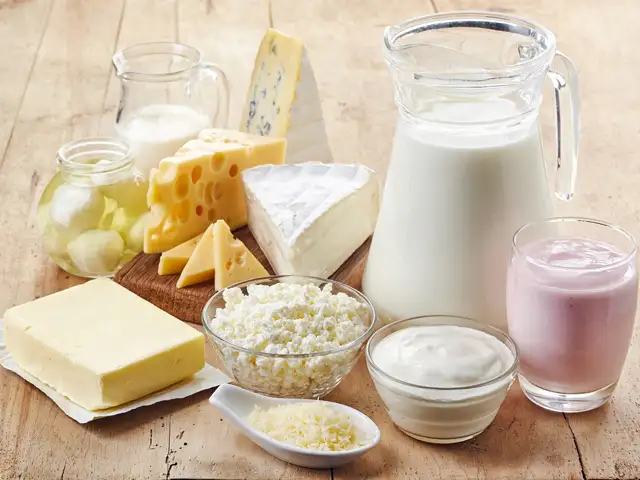
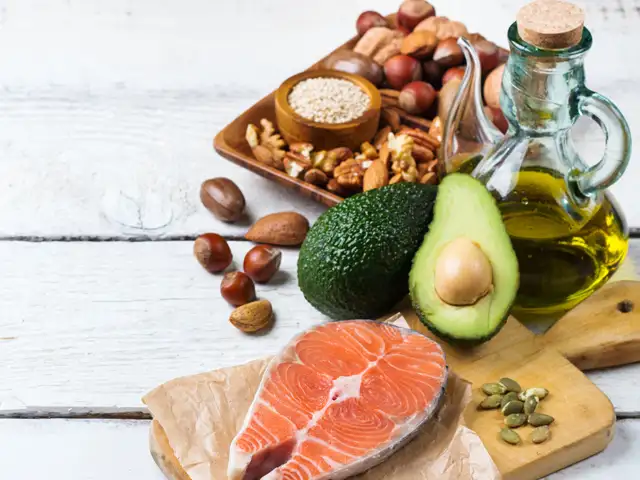
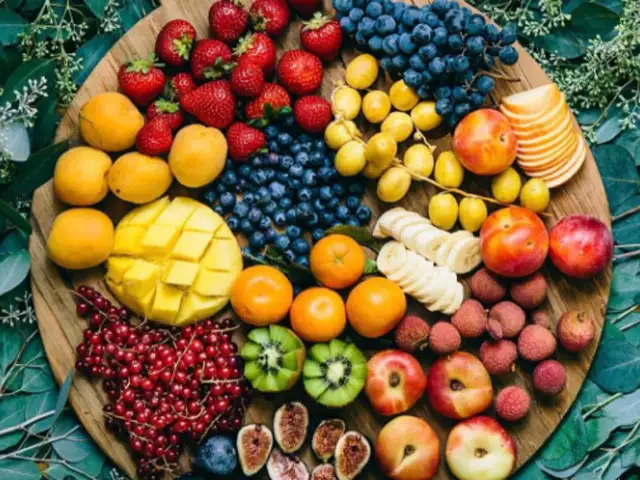
Mostly menstruating or pregnant women, growing children, and patients recovering from illnesses are susceptible to haemoglobin deficiency. A well-balanced diet with iron-rich food items can work wonders to increase the quality of blood.
Dr Kajal Yeptho Pandya, head of Department of Dietetics at Medanta - The Medicity explains how each meal with a variety of foods and portion sizes can up the haemoglobin level and moderate calorie intake.

(Disclaimer: The opinions expressed in this column are that of the writer. The facts and opinions expressed here do not reflect the views of www.economictimes.com.)
Download
The Economic Times Business News App for the Latest News in Business, Sensex, Stock Market Updates & More.
The Economic Times Business News App for the Latest News in Business, Sensex, Stock Market Updates & More.
ADVERTISEMENT


