Coronavirus patients may lose sense of smell by third day of infection
While the loss of smell is an indicator of COVID-19, it's not the only factor.
By PTI |
iStock
Decreased sense of smell may be an indicator of patients early in the disease course as well as those who may go on to develop more severe symptoms like shortness of breath.
NEW YORK: Loss of the sense of smell is most likely to occur by the third day of infection with the novel coronavirus, according to a study of over 100 COVID-19 patients which may help public health experts better identify those carrying the virus without adverse symptoms.
The telephonic study, whose results were published in the journal Otolaryngology-Head and Neck Surgery, examined characteristics and symptoms of 103 patients who were diagnosed with COVID-19 over a six-week period.
The patients from Aarau, Switzerland provided data on the number of days they had COVID-19 symptoms, and the timing and severity of their loss of smell, said study co-author, Ahmad Sedaghat from the University of Cincinnati in the US.
Of the 103 patients, at least 61 per cent reported reduced or lost sense of smell, Sedaghat said, adding that the mean onset for reduction or loss in the sense of smell was 3.4 days.
"We also found in this study that the severity of the loss of smell is correlated with how bad your other COVID-19 symptoms will be," Sedaghat said.
"If the anosmia, also known as loss of smell, is worse, the patients reported worse shortness of breath, and more severe fever and cough," he added.
ADVERTISEMENT
According to the scientist, the relationship between decreased sense of smell and the rest of the COVID-19 is something to be aware of.
"If someone has a decreased sense of smell with COVID-19, we know they are within the first week of the disease course, and there is still another week or two to expect," he added.
If the anosmia, also known as loss of smell, is worse, the patients report worse case of shortness of breath, and more severe fever and cough The findings indicated that a decreased sense of smell may be an indicator of patients early in the disease course as well as those who may go on to develop more severe symptoms, like shortness of breath, Sedaghat said.
ADVERTISEMENT
He cautioned that while the loss of smell is an indicator of COVID-19, it's not the only factor.
"When you start to experience serious symptoms of COVID-19 which include shortness of breath and respiratory distress, that's when you should become alarmed," he said.
ADVERTISEMENT
Younger patients and women in the study were also more likely to experience a decreased loss of smell, the study noted.
About 50 per cent of study patients experienced a stuffy nose and 35 per cent experienced a runny nose.
According to Sedaghat, this is important since previous studies indicated that these nasal symptoms were rare in COVID-19, and these symptoms were attributed to allergy and not the novel coronavirus.
"This just means that greater awareness is needed of COVID-19's nasal symptoms so people are not running around sneezing in public and thinking it is okay since this is just allergies," Sedaghat said.
"It very well could be COVID-19 and wearing masks as protective gear for others you encounter is a good idea," he added.
Understanding more about loss of smell and COVID-19 is important for a public health perspective, the scientist cautioned.
"No one is going to die because of a loss of the sense of smell and it's not the symptom that will kill anyone," he said, but adding that, "it is important because it helps us to identify these COVID-19 patients as asymptomatic carriers so they don't spread the disease to others."
As fancy as it sounds, the idea of boosting immunity, has proven to be difficult to materialise in reality. For years, researchers from across the world have been struggling to figure out the accurate formula to achieve a good immune system. Until the formula is known, it is recommended to adopt a healthy lifestyle for an enhanced immune function, and to keep the body intact and healthy.
Making healthy lifestyle changes in terms of diet, exercise and managing stress, in addition to other factors, can go a long way in helping the immune system get the boost it requires.
On International Immunology Day, Chennai-based clinical nutritionist, lactation consultant and diabetes educator - Ramya Ramachandran - shares five tips that can give your life a healthy spin.
As fancy as it sounds, the idea of boosting immunity, has proven to be difficult to materialise in reality. For years, researchers from across the world have been struggling to figure out the accurat..
Read More
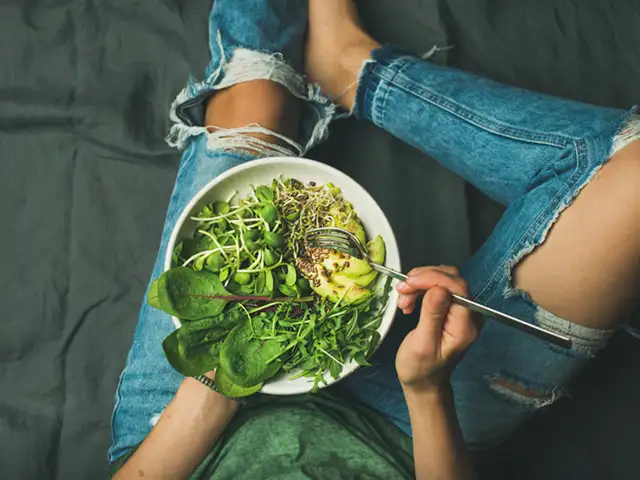
A balanced diet with the right amount of nutrients can do wonders in boosting a person’s immunity, and keeping you away from diseases.
Ginger, garlic, star anise, omega-3 fats, flax seeds are some foods that have antiviral and anti-inflammatory properties. These can be included in your meals daily. It’s also important to focus on micronutrients which have a major impact on health.
To add the required amount of micronutrients to any diet, one can look at home fortification as an alternative. In this method, a commercially available product is conveniently utilised on a daily basis to prevent nutrition deficiencies. Power mixes of rice and flour avaiable in the market is one such example of food fortification, which increases the micronutrient value of home-cooked meals.
A balanced diet with the right amount of nutrients can do wonders in boosting a person’s immunity, and keeping you away from diseases.Ginger, garlic, star anise, omega-3 fats, flax seeds are some foo..
Read More
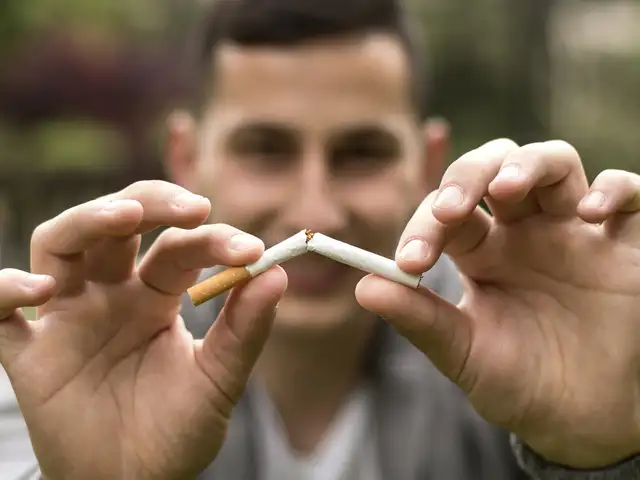
This is one of the basic requirements. Smoking is a big ‘NO’ for the overall wellbeing of the body as it negatively impacts on both adaptive and innate immunity. It slowly kills the natural effectiveness of the immune system’s defences. If you are a regular smoker, it is advisable to quit it as soon as possible. One can also adopt alternatives like nicotine patches as it can helps to quit smoking and are relatively less harmful.
This is one of the basic requirements. Smoking is a big ‘NO’ for the overall wellbeing of the body as it negatively impacts on both adaptive and innate immunity. It slowly kills the natural effective..
Read More
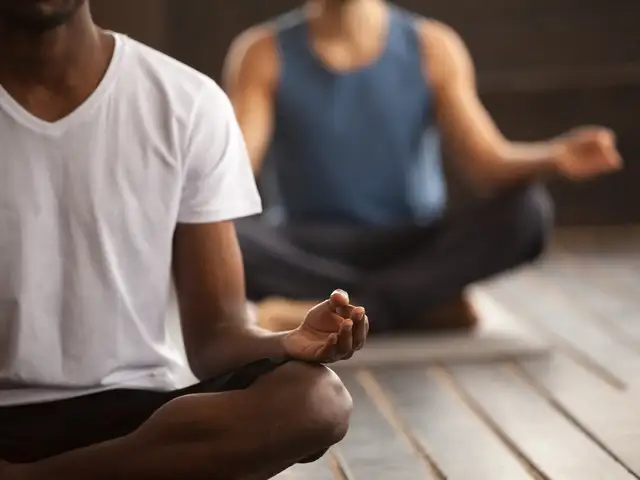
Chronic stress is responsible for releasing hormone cortisol, which can ruin the overall immune response of the body. Meditation goes a long way in keeping stress in check. Various mobile-based apps can help one to remain peaceful and mindful throughout the day with various features. Other healthy strategies to deal with stress may include yoga and pranayama.
Chronic stress is responsible for releasing hormone cortisol, which can ruin the overall immune response of the body. Meditation goes a long way in keeping stress in check. Various mobile-based apps ..
Read More
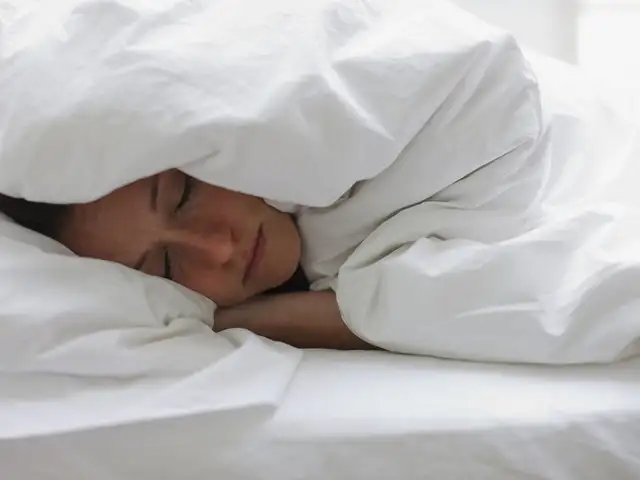
Most of us underestimate the power and importance of adequate sound and refreshing sleep. Lack of proper sleep can activate the inflammatory immune response, which can reduce reactivity to vaccines, further leading to the release of excess stress hormones. It will ultimately weaken the immune system.
A minimum of 7-8 hours of regular sleep is a must to maintain a healthy circadian rhythm, and help the body’s T-Cells (also known as immune cells) to kill the pathogens. A night of good sleep also helps in burning calories.
Most of us underestimate the power and importance of adequate sound and refreshing sleep. Lack of proper sleep can activate the inflammatory immune response, which can reduce reactivity to vaccines, ..
Read More
Exercise reduces inflammation and supports the white blood cells, which means a little workout can help you become healthy. It is also scientifically proven that working out regularly can boost your immune system. However, exercising needs to be done in a moderate way.
You can opt for bodyweight movements like lunges, push-ups, burpees, and other exercises to get a sweat on, and get a quick full-body workout at home, without any equipment. There are many apps that offer workouts that can be performed at home with guidance and support.
A physically active lifestyle is beneficial in warding off the bacterial and viral infections suggesting that immune strength is enriched with regular bouts of exercise.
Exercise reduces inflammation and supports the white blood cells, which means a little workout can help you become healthy. It is also scientifically proven that working out regularly can boost your ..