Corona care: UV LEDs can disinfect surfaces, reduce transmission
Ultraviolet light's large-scale efficacy against the spread of the coronavirus is yet to be shown.
By PTI |

Agencies
LOS ANGELES: Ultraviolet LEDs can decontaminate surfaces that have come in contact with the novel coronavirus, according to a study that explains how the light can lead to better ways of reducing transmission of the virus.
According to the study, published in the journal ACS Photonics, ultraviolet light disinfection is used widely for disinfection, however, its large-scale efficacy against the spread of the novel coronavirus, SARS-CoV-2, is yet to be shown.
"One major application is in medical situations - the disinfection of personal protective equipment, surfaces, floors, within the HVAC systems, et cetera," said study co-author Christian Zollner from the University of California Santa Barbara in the US.
Zollner, whose work centres on advancing deep ultraviolet light LED technology for sanitation and purification purposes, added that a small market already exists for UV-C disinfection products in medical contexts.
Pointing out the different types of ultraviolet light, Zollner said, UV-A and UV-B are light the Earth gets courtesy of the Sun with important uses, and the rare UV-C is the light of choice for purifying air and water and for inactivating microbes.
"UV-C light in the 260 - 285 nanometre wavelength range most relevant for current disinfection technologies is also harmful to human skin, so for now it is mostly used in applications where no one is present at the time of disinfection," Zollner said.
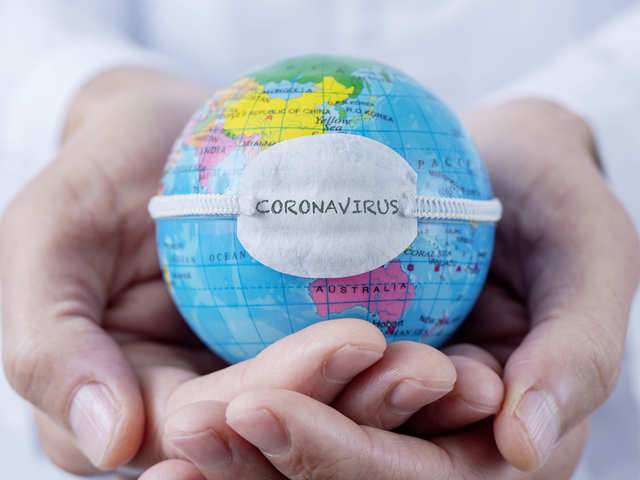
A lot of what you hear or read about the coronavirus may be myths. WHO data busts a few common misconceptions.
According to Zollner, "many technological advances are needed for the UV LED to reach its potential in terms of efficiency, cost, reliability and lifetime."
In the research, the scientists reported a more easy method for fabricating high-quality deep-ultraviolet (UV-C) LEDs.
According to the study, this involves depositing a film of the semiconductor alloy aluminum gallium nitride (AlGaN) on a base made of silicon carbide (SiC) -- a departure from the more widely used sapphire substrate.
He explained that this is due to how closely the materials' atomic structures match up.
The better the quality, the better the LED's efficiency and performance, Zollner said.
Silicon carbide, he added, is far less expensive than the "ideal" aluminum nitride substrate, making it more mass production-friendly.
As the world races to find vaccines, therapies and cures for COVID-19, Zollner believes disinfection, decontamination and isolation are the few weapons to defend people, and the solutions will need to be deployed worldwide.
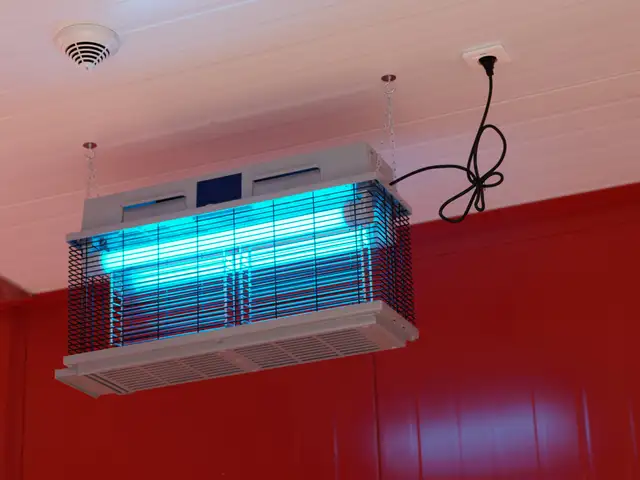
He said in addition to UV-C for water sanitation purposes, the light could be integrated into systems that turn on when no one is present.
"This would provide a low-cost, chemical-free and convenient way to sanitize public, retail, personal and medical spaces," he said.
According to the study, published in the journal ACS Photonics, ultraviolet light disinfection is used widely for disinfection, however, its large-scale efficacy against the spread of the novel coronavirus, SARS-CoV-2, is yet to be shown.
"One major application is in medical situations - the disinfection of personal protective equipment, surfaces, floors, within the HVAC systems, et cetera," said study co-author Christian Zollner from the University of California Santa Barbara in the US.
Zollner, whose work centres on advancing deep ultraviolet light LED technology for sanitation and purification purposes, added that a small market already exists for UV-C disinfection products in medical contexts.
Pointing out the different types of ultraviolet light, Zollner said, UV-A and UV-B are light the Earth gets courtesy of the Sun with important uses, and the rare UV-C is the light of choice for purifying air and water and for inactivating microbes.
"UV-C light in the 260 - 285 nanometre wavelength range most relevant for current disinfection technologies is also harmful to human skin, so for now it is mostly used in applications where no one is present at the time of disinfection," Zollner said.
ADVERTISEMENT






According to Zollner, "many technological advances are needed for the UV LED to reach its potential in terms of efficiency, cost, reliability and lifetime."
In the research, the scientists reported a more easy method for fabricating high-quality deep-ultraviolet (UV-C) LEDs.
According to the study, this involves depositing a film of the semiconductor alloy aluminum gallium nitride (AlGaN) on a base made of silicon carbide (SiC) -- a departure from the more widely used sapphire substrate.
ADVERTISEMENT
According to Zollner, using silicon carbide as a substrate allows for more efficient and cost-effective growth of high-quality UV-C semiconductor material than using sapphire. He explained that this is due to how closely the materials' atomic structures match up.
ADVERTISEMENT
"As a general rule of thumb, the more structurally similar (in terms of atomic crystal structure) the substrate and the film are to each other, the easier it is to achieve high material quality," he added. The better the quality, the better the LED's efficiency and performance, Zollner said.
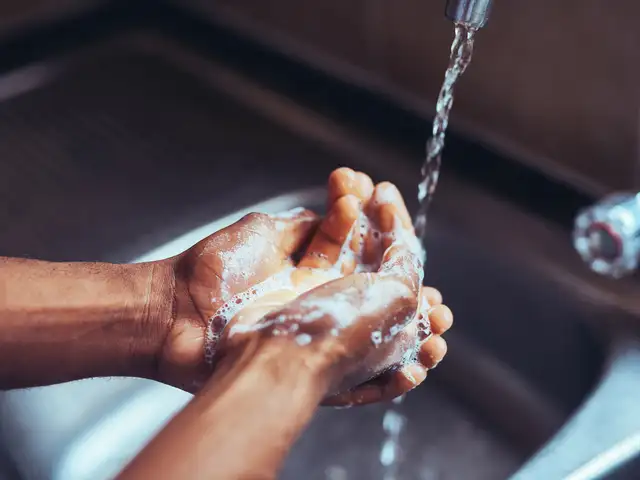
Holding hands, an affectionate gesture with romantic undertones, has become taboo in the time of the coronavirus. Handshakes, too, have been outlawed in the boardroom as well as stadiums - and after closing a deal, folks now pick up their phones and send each other formal emails.
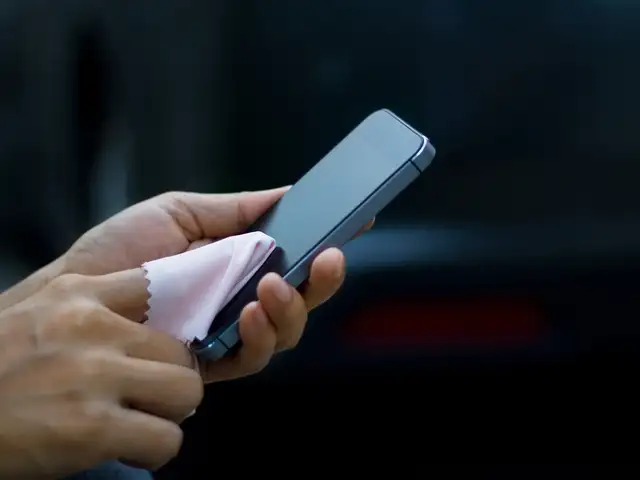
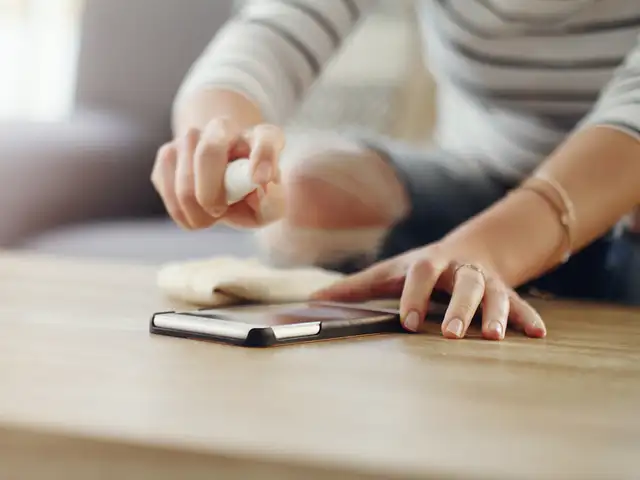
Lovers in parks sit on benches, their hands skidding across smartphone screens, sending emoji-laced messages. However, exercising one’s primary tactile organs to communicate through gestures might not be as dangerous as using a mobile phone.
Silicon carbide, he added, is far less expensive than the "ideal" aluminum nitride substrate, making it more mass production-friendly.
As the world races to find vaccines, therapies and cures for COVID-19, Zollner believes disinfection, decontamination and isolation are the few weapons to defend people, and the solutions will need to be deployed worldwide.
He said in addition to UV-C for water sanitation purposes, the light could be integrated into systems that turn on when no one is present.
"This would provide a low-cost, chemical-free and convenient way to sanitize public, retail, personal and medical spaces," he said.
Download
The Economic Times Business News App for the Latest News in Business, Sensex, Stock Market Updates & More.
The Economic Times Business News App for the Latest News in Business, Sensex, Stock Market Updates & More.
ADVERTISEMENT


