Colon cancer is rising in younger adults. Are sugary drinks to blame?
Compared with people born around 1950, those born around 1990 have twice the risk for colon cancer.
By Nicholas Bakalar, New York Times | Updated:

iStock
Colon and rectal cancers are rising in younger adults, although researchers are not sure why. A new study of women and diet suggests that sugar-sweetened drinks may play a role.
Rates of colorectal cancer in people younger than 50 have increased sharply in recent years. Compared with people born around 1950, those born around 1990 have twice the risk for colon cancer and four times the risk for rectal cancer.
While sales of sugar-sweetened drinks have been decreasing in recent years, the percentage of calories consumed in sugary drinks rose dramatically between 1977 and 2001. During those years, the figure rose from 5.1% of total calories consumed to 12.3% among ages 19-39, and from 4.% to 10.3% among children 18 and younger. By 2014 those figures had dropped, but 7% of calories consumed by Americans overall were still from sugary drinks.
The new study, published in the medical journal Gut, examined the link between colorectal cancer and sweet drinks in 94,464 female registered nurses who were enrolled in a long-term prospective health study between 1991 and 2015, when they were 25-42 years old. They also looked at a subset of 41,272 nurses who reported their intake of sugary drinks at ages 13-18.
The study included intakes of soft drinks, sports drinks and sweetened teas. The researchers also recorded fruit-juice consumption — apple, orange, grapefruit, prune and others.
Over an average 24 years of follow-up, they found 109 cases of colorectal cancer among the nurses (the absolute risk for colon cancer in younger people is still small). But compared with women who averaged less than one 8-ounce serving of sugar-sweetened drinks a week, those who drank two or more had more than double the relative risk for the disease. Each additional serving of sweet drinks increased the risk by 16%. A serving a day in adolescence was linked to a 32% higher risk, and replacing sugary drinks with coffee or reduced-fat milk led to a 17% to 36% relative risk reduction. (They had no data on coffee sweetened with sugar.)
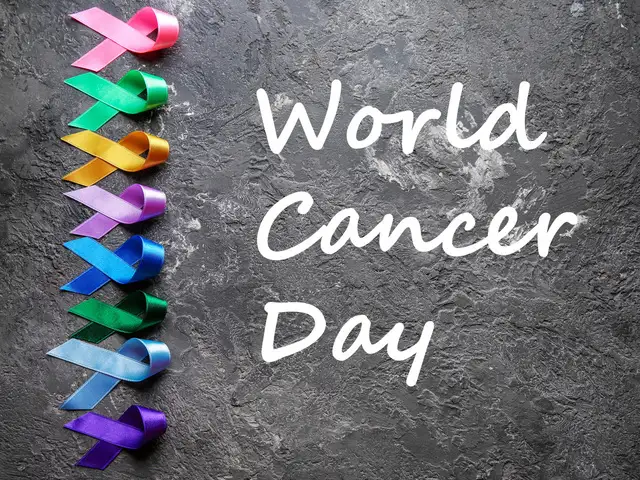
Among various diseases prevalent in the country, cancer is known as one of the leading causes of mortality and morbidity in the country. As per Indian population census data, the rate of mortality due to cancer in India is high and alarming in people below the age of 70.
Cancer is the second most common disease in India responsible for maximum mortality with about 0.3 million deaths per year. This is owing to the lack of awareness on the types of cancer, need for early diagnosis and treatment of the disease. Of the types of cancer in India, breast, cervix, colon and prostate cancer are most common and hence knowing its signs and symptoms is key to the management.
Dr Bhavna Parikh, Consultant Medical Oncologist of Bombay Hospital shares details about each of these cancers.
“I was really interested to see that the study was on women,” said Caroline H. Johnson, an epidemiologist at the Yale School of Public Health who has published widely on the environmental risks for colon cancer but was not involved in this work. “The focus has mostly been on males. It will be interesting to see if it’s confirmed in men.”
There was no association of the consumption of fruit juice or artificially sweetened drinks with early-onset colorectal cancer. The analysis controlled for various factors that can affect colon cancer risk, including race, body mass index, menopausal hormone use, smoking, alcohol consumption and physical activity.
The study showed only an association, so could not prove cause and effect. But Nour Makarem, an assistant professor of epidemiology at the Columbia Mailman School of Public Health who was not involved in the research, said, “This is robust evidence, novel evidence that higher intakes of soda are involved in a higher risk for colorectal cancer. We know that sugar-sweetened beverages have been linked to weight gain, glucose dysregulation and so on, which are also risk factors. So there’s a plausible mechanism that underlies these relationships.”
“One hypothesis is that increased weight gain is causing the increase in risk,” she said, “but we controlled for obesity. Still, it might be one of the things contributing. In studies in mice, high fructose corn syrup has been found to contribute to cancer risk independent of obesity.
Rates of colorectal cancer in people younger than 50 have increased sharply in recent years. Compared with people born around 1950, those born around 1990 have twice the risk for colon cancer and four times the risk for rectal cancer.
While sales of sugar-sweetened drinks have been decreasing in recent years, the percentage of calories consumed in sugary drinks rose dramatically between 1977 and 2001. During those years, the figure rose from 5.1% of total calories consumed to 12.3% among ages 19-39, and from 4.% to 10.3% among children 18 and younger. By 2014 those figures had dropped, but 7% of calories consumed by Americans overall were still from sugary drinks.
The new study, published in the medical journal Gut, examined the link between colorectal cancer and sweet drinks in 94,464 female registered nurses who were enrolled in a long-term prospective health study between 1991 and 2015, when they were 25-42 years old. They also looked at a subset of 41,272 nurses who reported their intake of sugary drinks at ages 13-18.
The study included intakes of soft drinks, sports drinks and sweetened teas. The researchers also recorded fruit-juice consumption — apple, orange, grapefruit, prune and others.
Over an average 24 years of follow-up, they found 109 cases of colorectal cancer among the nurses (the absolute risk for colon cancer in younger people is still small). But compared with women who averaged less than one 8-ounce serving of sugar-sweetened drinks a week, those who drank two or more had more than double the relative risk for the disease. Each additional serving of sweet drinks increased the risk by 16%. A serving a day in adolescence was linked to a 32% higher risk, and replacing sugary drinks with coffee or reduced-fat milk led to a 17% to 36% relative risk reduction. (They had no data on coffee sweetened with sugar.)
ADVERTISEMENT
Cancer is the second most common disease in India responsible for maximum mortality with about 0.3 million deaths per year. This is owing to the lack of awareness on the types of cancer, need for early diagnosis and treatment of the disease. Of the types of cancer in India, breast, cervix, colon and prostate cancer are most common and hence knowing its signs and symptoms is key to the management.
Dr Bhavna Parikh, Consultant Medical Oncologist of Bombay Hospital shares details about each of these cancers.






“I was really interested to see that the study was on women,” said Caroline H. Johnson, an epidemiologist at the Yale School of Public Health who has published widely on the environmental risks for colon cancer but was not involved in this work. “The focus has mostly been on males. It will be interesting to see if it’s confirmed in men.”
There was no association of the consumption of fruit juice or artificially sweetened drinks with early-onset colorectal cancer. The analysis controlled for various factors that can affect colon cancer risk, including race, body mass index, menopausal hormone use, smoking, alcohol consumption and physical activity.
The study showed only an association, so could not prove cause and effect. But Nour Makarem, an assistant professor of epidemiology at the Columbia Mailman School of Public Health who was not involved in the research, said, “This is robust evidence, novel evidence that higher intakes of soda are involved in a higher risk for colorectal cancer. We know that sugar-sweetened beverages have been linked to weight gain, glucose dysregulation and so on, which are also risk factors. So there’s a plausible mechanism that underlies these relationships.”
ADVERTISEMENT
The senior author of the study, Yin Cao, an associate professor of surgery at the Washington University School of Medicine in St. Louis, said that metabolic problems, such as insulin resistance and high cholesterol, as well as inflammation in the gut could play a larger role as a cause of cancer in the younger population than in older people, but that the exact potential mechanisms have not yet been pinpointed.“One hypothesis is that increased weight gain is causing the increase in risk,” she said, “but we controlled for obesity. Still, it might be one of the things contributing. In studies in mice, high fructose corn syrup has been found to contribute to cancer risk independent of obesity.
ADVERTISEMENT
“This is the first time sugar-sweetened beverages have been linked to early-onset colorectal cancer,” she continued, “and this study still needs to be replicated. But researchers and clinicians should be aware of this largely ignored risk factor for cancer at younger ages. This is an opportunity to revisit policies about how sugar-sweetened beverages are marketed, and how we can help reduce consumption.”Download
The Economic Times Business News App for the Latest News in Business, Sensex, Stock Market Updates & More.
The Economic Times Business News App for the Latest News in Business, Sensex, Stock Market Updates & More.
ADVERTISEMENT


