Chinese apps drop H&M from listings after fashion brand shows concerns over forced labour in Xinjiang

Other brands like Burberry, Nike and Adidas have also faced an online backlash.

AFP
Last year, H&M announced that it would no longer source cotton from Xinjiang after reports of the use of forced labour by Uighur Muslims.
BEIJING: China's top ride-hailing app dropped Swedish fashion retailer H&M from its listings as Chinese celebrities stopped endorsing foreign labels in a growing uproar over Western accusations of forced labour in Xinjiang.

H&M faced a public backlash in China when social media users in the country circulated a statement the company made last year announcing it would no longer source cotton from Xinjiang after reports of the use of forced labour by Uighur Muslims.

Western governments and rights groups have accused authorities in the farwestern region of detaining and torturing Uighurs in camps, where some former inmates have said they were subject to ideological indoctrination.


Beijing denies the accusations and describes the camps in question as vocational training centres which help combat religious extremism.

Search results for H&M in the Didi Chuxing ride-hailing app for all of China's major cities yielded no results on Friday. The company did not immediately respond to a request for comment.

The backlash against H&M caused Chinese e-commerce giant Alibaba Group Holding Ltd, shopping app Meituan and the maps app for search engine Baidu Inc to each remove the Swedish retailer from their listings.
ADVERTISEMENT

Other overseas brands, including Burberry Group PLC, Nike Inc, and Adidas AG have also faced an online blowback for making similar statements regarding their sourcing of cotton in Xinjiang.

The Human Rights section of H&M's website hmgroup.com on Friday no longer carried the link to the 2020 statement on Xinjiang. The statement could still be accessed through the page's direct address.

Statements expressing concern about or intolerance of forced labour in Xinjiang previously seen on the websites of Inditex, VF Corp, PVH and Abercrombie & Fitch were no longer available on Thursday.

Following enquiries by Reuters, VF Corp pointed to a statement on a separate section of its website that said it did not source from Xinjiang. A Google cache showed the statement had been added in the last four days. VF did not respond to a question asking why the statement had been moved.
ADVERTISEMENT

PVH, Inditex and Abercrombie & Fitch did not respond to a request for comment.

"We have to stand by the brands keeping statements condemning slavery and shame those who are taking them down. This is a defining moment for these brands," said French MEP Raphael Glucksmann, one of 10 EU individuals sanctioned by China who has run social media campaigns calling on retailers to stand against forced labour in Xinjiang.
ADVERTISEMENT

"Consumers in Europe need to place counter pressure on companies retracting their statements."

​The Chinese ride-hailing app Didi Chuxing shows the message 'no results, try another search term' when searching for destinations beginning with the letter H in Beijing.​
The Chinese ride-hailing app Didi Chuxing shows the message 'no results, try another search term' when searching for destinations beginning with the letter H in Beijing.

CHINA CELEBS DROP BRANDS
A message on the Chinese Weibo account of the German fashion house Hugo Boss said on Thursday that it would "continue to purchase and support Xinjiang cotton." Hugo Boss said on Friday that it was not an authorized post, and had been deleted accordingly.

In an email to Reuters on Friday, company spokeswoman Carolin Westermann said that an undated English-language statement on its website stating that "so far, HUGO BOSS has not procured any goods originating in the Xinjiang region from direct suppliers" was its official position. The cotton row has spilled over into the entertainment world, with Chinese celebrities dropping several foreign retail labels, including six U.S. brands such as Nike.

New Balance, Under Armour, Tommy Hilfiger and Converse, owned by Nike, have come under fire in China for statements saying they would not use Xinjiang cotton.

Other brands affected include Adidas, Puma and Fast Retailing's Uniqlo.

"I can confirm that Uniqlo's Chinese brand ambassadors have terminated their contracts," said a Fast Retailing spokesperson.

"Regarding cotton, we only source sustainable cotton and this has not changed."

At least 27 Chinese movie stars and singers have declared in the past two days that they would stop cooperating with foreign brands.

Their decision was widely praised by Chinese internet users for being patriotic and trended high on the popular Twitter-like microblog Weibo.

"I have bought these kinds of products in the past and this situation doesn't mean that I will now throw them away, destroy them or something like that," said graduate Lucy Liu outside a Beijing shopping mall.

"What I'll do is just avoid buying them for the moment."

Beyond the fashion and retail industry, China sanctioned British organisations and individuals on Friday over what it called "lies and disinformation" about Xinjiang, days after Britain imposed sanctions of its own.

"China is firmly determined to safeguard its national sovereignty, security and development interests, and warns the UK side not to go further down the wrong path," the Chinese Foreign Ministry said. "Otherwise, China will resolutely make further reactions."

The sanctions are the latest sign of deteriorating relations between London and Beijing, including China's crackdown on dissent in the former British colony of Hong Kong, which had been guaranteed its freedoms when it returned to Chinese rule in 1997.
China Wants To Increase Retirement Age; Other Countries That've Done The Same
1/12

China’s retirement age has remained unchanged for more than four decades at 60 for men and 55 for female white-collar workers, but that may soon change. Trying to cope with a rapidly aging population, China’s ruling party is making a push to raise one of the world’s lowest retirement ages but has faced fierce backlash.


According to a Bloomberg report, tens of thousands of angry comments were posted on Weibo following the statement. Younger people argued that an increase in older workers would reduce their employment opportunities while those closest to retiring were angry at the prospect of delayed access to their pensions.


Whether China succeeds in raising the retirement age or not, here are some other countries who’ve employed higher retirement ages.


China’s retirement age has remained unchanged for more than four decades at 60 for men and 55 for female white-collar workers, but that may soon change. Trying to cope with a rapidly aging population..
Read More
Japanese citizens are allowed to draw their pension at the age of 62 and this figure is set to rise to 65 years old by 2025, but most men often work until they’re 70.8, and women until the age of 69.1. In a bid to save money during the coronavirus pandemic, the number of companies in Japan offering early retirement plans has doubled during 2020, in some cases even allowing people in their 20s and 30s to be eligible, according to a study by Tokyo Shoko Research.

In South Korea also, men and women work on average more than 12 years longer than the official retirement age of 60, due to poverty.
Japanese citizens are allowed to draw their pension at the age of 62 and this figure is set to rise to 65 years old by 2025, but most men often work until they’re 70.8, and women until the age of 69...
Read More
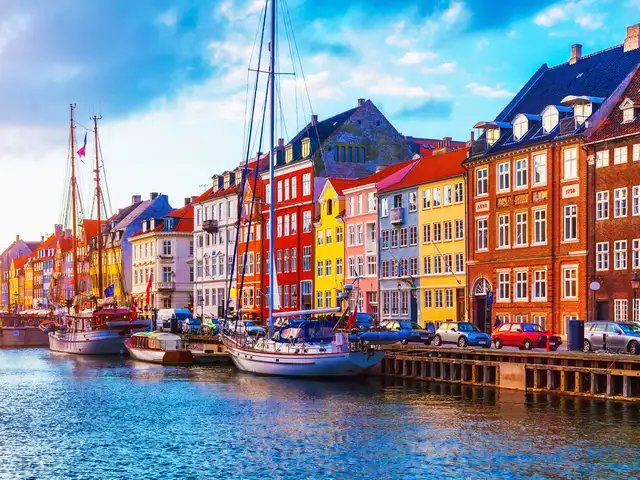
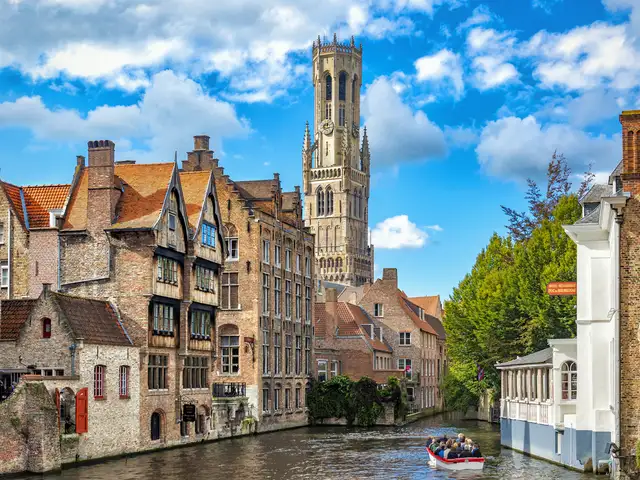
According to the Finnish Centre for Pensions for example, the norm across the European Union remains a retirement age of 65, while only three countries currently have a state pension age of 67 – Denmark, Italy and Greece. Germany plans to increase its state pension age to 67, but not until 2031.

In France, the official age of retirement is 62, which is among the lowest in OECD countries. Recently, the retirement age became a contentious issue as Prime Minister Édouard Philippe attempted to incentivise people to continue working until the age of 64, causing months of strike action by protestors.
According to the Finnish Centre for Pensions for example, the norm across the European Union remains a retirement age of 65, while only three countries currently have a state pension age of 67 – Denm..
Read More
The average retirement age in Denmark is currently 67 and was set to increase to 68 by 2030. However, the Danish government recently floated a proposal to lower the retirement age to 61 years. “We will put in place a new scheme for those of you who have been in the workplace for the longest. For those who have paid their taxes throughout the professional life and did some of the toughest jobs,” said prime minister Mette Frederiksen in August. Under the new proposal, those who have worked 42, 43 or 44 years will have the right to retire one, two or even three years before the state pension.
The average retirement age in Denmark is currently 67 and was set to increase to 68 by 2030. However, the Danish government recently floated a proposal to lower the retirement age to 61 years. “We wi..
Read More
The official retirement age is 65 years but most people actually retire several years before through early retirement schemes, and the average effective age for men is 61.6 years old, while women tend to leave work just at 60.5. The country’s historically generous state pension scheme was shaken up in 2011, when the early retirement age was increased to 62 and workers were forced to contribute for 40 years.
The official retirement age is 65 years but most people actually retire several years before through early retirement schemes, and the average effective age for men is 61.6 years old, while women ten..
Read More
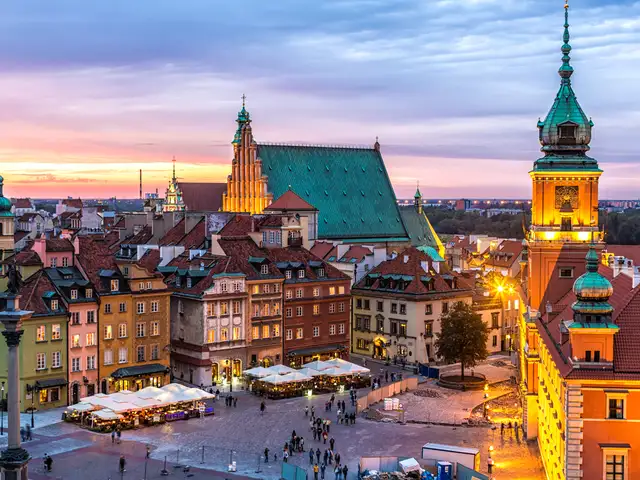
In contrast, the Polish government slashed its official retirement age from 67 to 65 for men and 60 for women in 2017 which is closer to the reality on ground. Most male Poles actually work until they are 62.8, whereas Polish women stop work at 60.6 on average.
In contrast, the Polish government slashed its official retirement age from 67 to 65 for men and 60 for women in 2017 which is closer to the reality on ground. Most male Poles actually work until the..
Read More
The official retirement age in Spain is being gradually increased from 65 to 67 by 2027. The government had been under pressure to keep people working longer to cut public spending. Unions threatened to strike over the rise, but caved in after the government said workers could still retire at 65 if they had made at least 37 years’ worth of contributions.
The official retirement age in Spain is being gradually increased from 65 to 67 by 2027. The government had been under pressure to keep people working longer to cut public spending. Unions threatened..
Read More
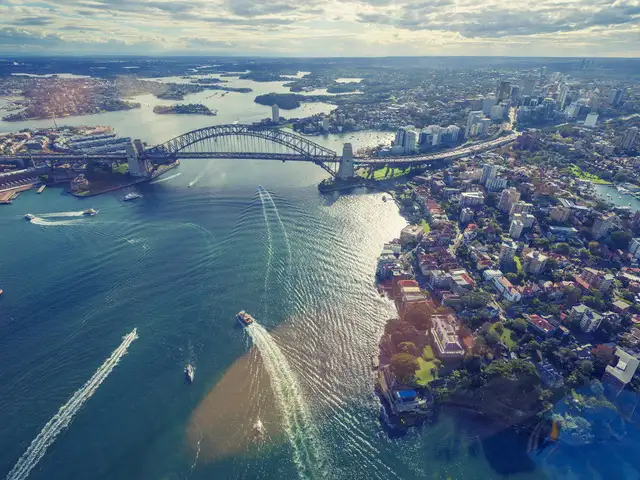
The Australian government increased the official pension age in 2017: people born before 1952 can retire at 65.5, but those born after that face gradual increases until it reaches 67 in 2023. The Liberal Party had tried to increase the retirement age to 70, but other parties shied away from an even bigger hike.
The Australian government increased the official pension age in 2017: people born before 1952 can retire at 65.5, but those born after that face gradual increases until it reaches 67 in 2023. The Lib..
Read More
Men and women in Ireland can both draw their pension from 66, with most men retiring once they turn 65.6, while women leave work earlier at the age of 64.1 on average. The retirement age is due to rise to 68 from 2028, which will make it one of the highest in the world.
Men and women in Ireland can both draw their pension from 66, with most men retiring once they turn 65.6, while women leave work earlier at the age of 64.1 on average. The retirement age is due to ri..
Read More
Norway’s state pension age has been 67 for men and women since the 1970s, but most men stop working at the age of 66.1 and women even earlier at 64.1.

Download
The Economic Times Business News App
for the Latest News in Business, Sensex, Stock Market Updates & More.
READ MORE
ADVERTISEMENT

READ MORE:

LOGIN & CLAIM

50 TIMESPOINTS

More from our Partners

Loading next story
Business News › Magazines › Panache › Chinese apps drop H&M from listings after fashion brand shows concerns over forced labour in Xinjiang
Text Size:AAA
Success
This article has been saved

*

+