Chadwick Boseman's death sparks conversation about colon cancer. Know causes, treatment of disease
The 'C' word has taken the world by storm.
By ET CONTRIBUTORS |

Agencies
Last week, the news of the tragic demise of Hollywood star, Chadwick Boseman, sent shockwaves across the world. Boseman had been battling colon cancer since 4 years and like a true fighter, persevered through it all.
In no time, the Internet was flooded by evocative eulogies and gut-wrenching tributes for the 'Black Panther' star. Soon, Boseman's death sparked an important conversation around colon cancer in men. Colon cancer is the third most commonly diagnosed cancer in men, behind cancers of the lungs and prostate. In 2020 alone, the American Cancer Society estimates that more than 147,000 cases of colon and rectal cancer will be diagnosed. Among men, the lifetime risk of developing colorectal cancer is one in 23.
ET Panache Digital spoke to an expert to understand the cause and the treatment for colon cancer.
-By Dr. Amanjeet Singh Director & Head of Colorectal Surgery GI Surgery, GI Oncology and Bariatric Surgery, Institute of Digestive and Hepatobiliary Sciences, Medanta
What is Colon Cancer?
Colon cancer begins in the colon or large intestine which is the final part of the digestive tract. Though it can occur in people across age groups, the incidence is higher in those above the age of 50 years. Colon cancer begins as small, non-cancerous and benign clumps of cells called polyps that form on the inside of the colon and over time, these lumps can become cancerous.
Risk Factors
Many patients with colon cancer do not experience significant symptoms in the early stages of the disease. Symptoms may also vary according to the specific location within the colon where the tumor is located. Some common warning signs include:
The treatment options for colon cancer include radiation therapy, chemotherapy or surgery to remove the tumour depending upon the stage of the cancer:
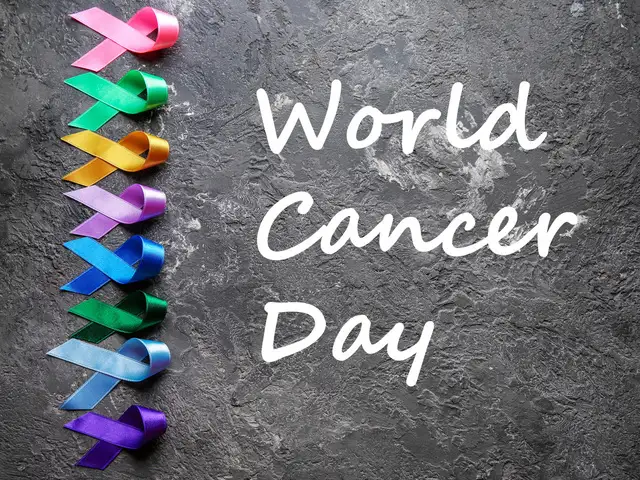
Among various diseases prevalent in the country, cancer is known as one of the leading causes of mortality and morbidity in the country. As per Indian population census data, the rate of mortality due to cancer in India is high and alarming in people below the age of 70.
Cancer is the second most common disease in India responsible for maximum mortality with about 0.3 million deaths per year. This is owing to the lack of awareness on the types of cancer, need for early diagnosis and treatment of the disease. Of the types of cancer in India, breast, cervix, colon and prostate cancer are most common and hence knowing its signs and symptoms is key to the management.
Dr Bhavna Parikh, Consultant Medical Oncologist of Bombay Hospital shares details about each of these cancers.
In no time, the Internet was flooded by evocative eulogies and gut-wrenching tributes for the 'Black Panther' star. Soon, Boseman's death sparked an important conversation around colon cancer in men. Colon cancer is the third most commonly diagnosed cancer in men, behind cancers of the lungs and prostate. In 2020 alone, the American Cancer Society estimates that more than 147,000 cases of colon and rectal cancer will be diagnosed. Among men, the lifetime risk of developing colorectal cancer is one in 23.
ET Panache Digital spoke to an expert to understand the cause and the treatment for colon cancer.
https://t.co/aZ2JzDf5ai
— Chadwick Boseman (@chadwickboseman) 1598667110000-By Dr. Amanjeet Singh Director & Head of Colorectal Surgery GI Surgery, GI Oncology and Bariatric Surgery, Institute of Digestive and Hepatobiliary Sciences, Medanta
What is Colon Cancer?
Colon cancer begins in the colon or large intestine which is the final part of the digestive tract. Though it can occur in people across age groups, the incidence is higher in those above the age of 50 years. Colon cancer begins as small, non-cancerous and benign clumps of cells called polyps that form on the inside of the colon and over time, these lumps can become cancerous.
Risk Factors
- Age: Majorly affects the patients above the age of 50 years
- History of colorectal cancer or polyps
- Family history of colon cancer
- Inflammatory intestinal conditions such as ulcerative colitis and Crohn's disease
- Low-fibre, high-fat diet
- Diabetes
- Smoking, high consumption of alcohol and a sedentary lifestyle
- Obesity
- Radiation therapy for cancer
Many patients with colon cancer do not experience significant symptoms in the early stages of the disease. Symptoms may also vary according to the specific location within the colon where the tumor is located. Some common warning signs include:
ADVERTISEMENT
- A persistent change in your bowel habits, including diarrhea or constipation or a change in the consistency of your stool
- Rectal bleeding or blood in your stool
- Persistent abdominal discomfort, such as cramps, gas or pain
- A feeling that your bowel doesn't empty completely
- Weakness or fatigue
- Unexplained weight loss
The treatment options for colon cancer include radiation therapy, chemotherapy or surgery to remove the tumour depending upon the stage of the cancer:
- Surgery for early stage colon cancer: In case of a small tumour, a minimally invasive approach to surgery may be recommended for removing the polyps. This can be done through a colonoscopy, endoscopic mucosal resection or laparoscopy depending upon the size and nature of the polyps
- Surgery for advanced stage colon cancer: In cases where the cancer has grown into or through the colon, a partial colectomy may be undertaken. During this procedure, the surgeon removes the part of the colon that contains the cancer, along with a margin of normal tissue on either side of the cancer through a minimally invasive laparoscopic surgery. Another treatment option for the cancer at this stage is ostomy which involves creating an opening in the wall of the abdomen from a portion of the remaining bowel for the elimination of stool into a bag that fits securely over the opening
- Chemotherapy: Chemotherapy uses drugs to destroy cancer cells. It is usually given post-surgery if the cancer is large or has spread to the lymph nodes. It can also be used ahead of a surgery to shrink a large cancer for ease of surgery
- Radiation therapy: Radiation therapy involves the use of X-rays and protons to kill cancer cells. It can be used to shrink large cancers or provide relief from symptoms
- Consume a variety of foods, vegetables and whole grains which contain vitamins, minerals, fiber and antioxidants
- Avoid the consumption of alcohol and in case, you cannot, have it in moderation
- Quit smoking or the consumption of tobacco in any form
- Maintain a healthy body weight by exercising regularly
- Undergo screening for colon cancer once you cross 50 years of age. In case of the presence of other risk factors like family history, it is recommended to undergo screening earlier
Cancer is the second most common disease in India responsible for maximum mortality with about 0.3 million deaths per year. This is owing to the lack of awareness on the types of cancer, need for early diagnosis and treatment of the disease. Of the types of cancer in India, breast, cervix, colon and prostate cancer are most common and hence knowing its signs and symptoms is key to the management.
Dr Bhavna Parikh, Consultant Medical Oncologist of Bombay Hospital shares details about each of these cancers.





(Disclaimer: The opinions expressed in this column are that of the writer. The facts and opinions expressed here do not reflect the views of www.economictimes.com.)
Download
The Economic Times Business News App for the Latest News in Business, Sensex, Stock Market Updates & More.
The Economic Times Business News App for the Latest News in Business, Sensex, Stock Market Updates & More.
ADVERTISEMENT


