Independence Day 2022: How to store Indian National Flag after Independence Day celebrations?
Here are step-by-step instructions on how to preserve the National Flag after the celebrations of India's 75th anniversary of Independence.
By ET Spotlight Special | Updated:
Agencies
India has entered its 76th year of independence from British after the commemoration of August 15 as Independence Day. Now, it is time to bring down and preserve the Indian National flag brought to homes by the citizens of the country as part of the "Har Ghar Tiranga" campaign.
It is also important to follow the Flag Code of India 2002 in this endeavour. It may be unknown to several people. The use of National Flag is governed by several laws and regulations.
Following the Emblems and Names (Prevention of Improper Use) Act of 1950 and the Prevention of Insults to National Honour Act of 1971, the Indian government has also made many announcements regarding guidelines that the general public is expected to abide by.
There is also a fine or three years jail for violators of the Prevention of Insults to the National Honour Act, 1971.
Evolution Of The National Flag: Things An Indian Should Know
1/12
The National Flag of India was adopted on July 22, 1947, during the Constituent Assembly Meeting. From Independence day on August 15 to January 2, 1950, the flag played a crucial role for the country as its National Flag. Here's a look at its evolution.
The National Flag of India was adopted on July 22, 1947, during the Constituent Assembly Meeting. From Independence day on August 15 to January 2, 1950, the flag played a crucial role for the country..
Read More
Before Independence, the National Flag went through several changes. India's first flag consisted of three colours - green, yellow and red - in horizontal stripes. It was first showcased on August 7, 1906, and developed at today's Kolkata's Parsee Bagan Square (Green Park).
Before Independence, the National Flag went through several changes. India's first flag consisted of three colours - green, yellow and red - in horizontal stripes. It was first showcased on August 7,..
Read More
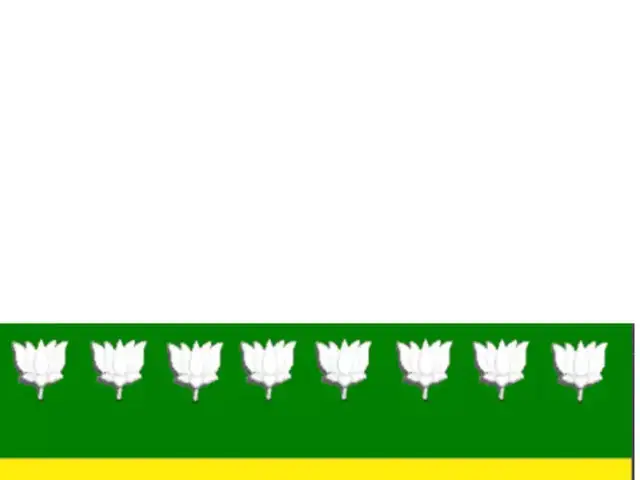
Bhikaiji Cama, one of the prominent personalities who helped India get its independence, was the first person to hoist an Indian flag on foreign soil in Stuttgart, Germany in 1907. Designed by Sachindra Prasad Bose, it was the flag of the Berlin Committee (later renamed the Indian Independence Committee). That same year, Cama waved the second unofficial flag in Paris. This second one had only one difference - the top row featured one lotus instead of the Saptarishis seven stars.
Bhikaiji Cama, one of the prominent personalities who helped India get its independence, was the first person to hoist an Indian flag on foreign soil in Stuttgart, Germany in 1907. Designed by Sachin..
Read More
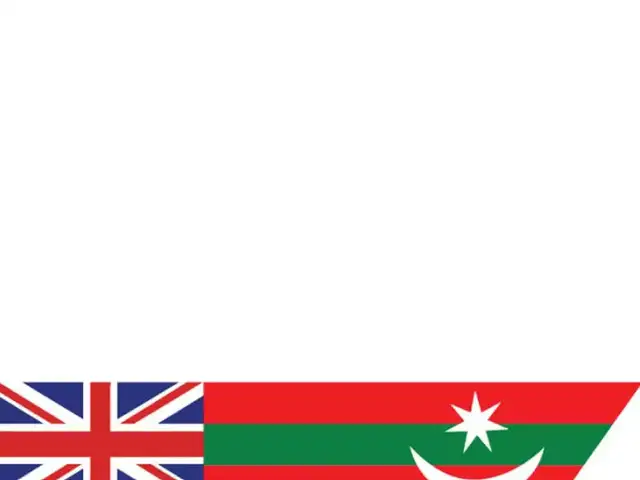
In 1917, when India's political struggle had shifted, the third flag was raised by Dr Annie Besant and Lokmanya Tilak during the Home Rule movement. This flag featured seven stars in the saptarishi pattern superimposed on five and four alternate red-green horizontal stripes. The Union Jack was displayed in the top left corner (the pole end). On the right corner, the flag had a white crescent and star.
In 1917, when India's political struggle had shifted, the third flag was raised by Dr Annie Besant and Lokmanya Tilak during the Home Rule movement. This flag featured seven stars in the saptarishi p..
Read More
The fourth unofficial flag was adopted in 1921 when Pinglay Venkayya designed a flag and presented it to Mahatma Gandhi during a meeting of the All India Congress Committee. Red and green were used to symbolise the Hindu and Muslim communities in India. Gandhi added the spinning wheel and white strip to signify the nation's progress and other communities respectively.
The fourth unofficial flag was adopted in 1921 when Pinglay Venkayya designed a flag and presented it to Mahatma Gandhi during a meeting of the All India Congress Committee. Red and green were used t..
Read More
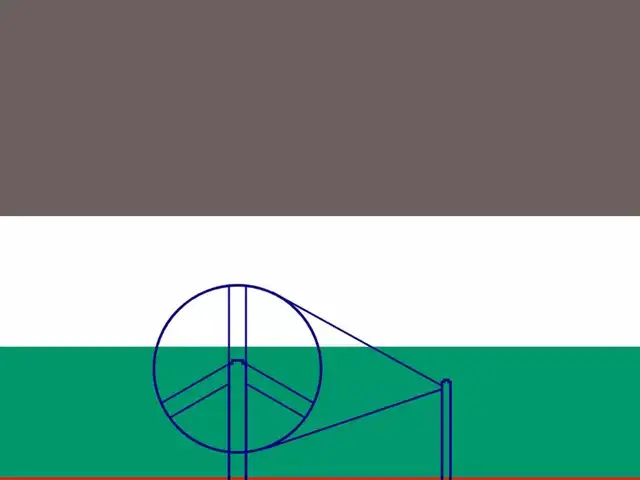
Then, came another flag in the early '30s which featured the 'Charkha' - spinning wheel. According to Gandhi, the 'Charkha' represented self-reliance, progress and the common man. Termed the Swaraj flag, Gandhi flag and the Charkha Flag, a seven-member committee was established in Karachi to modify the flag in 1931.
Then, came another flag in the early '30s which featured the 'Charkha' - spinning wheel. According to Gandhi, the 'Charkha' represented self-reliance, progress and the common man. Termed the Swaraj f..
Read More
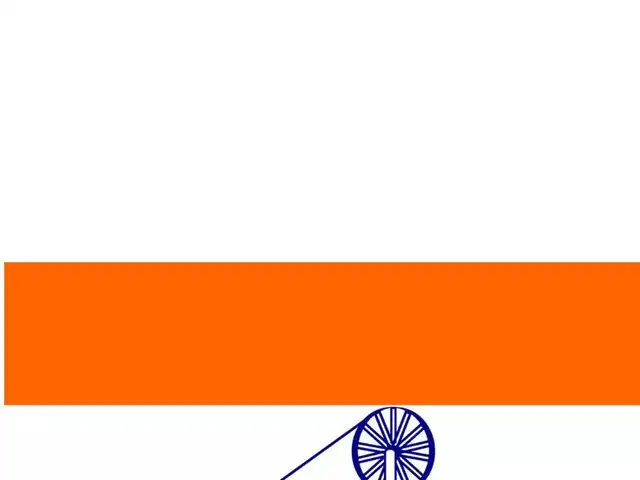
When Lord Mountbatten decided to free India, Dr Rajendra Prasad was asked to design the flag for a free nation. After getting Gandhi's consent, Venkayya worked to modify the flag. It was decided to replace the 'Charkha' with the emblem that featured on the Pillars of Ashoka at Sarnath, near Uttar Pradesh. The National Flag was born on July 22, 1947.
When Lord Mountbatten decided to free India, Dr Rajendra Prasad was asked to design the flag for a free nation. After getting Gandhi's consent, Venkayya worked to modify the flag. It was decided to r..
Read More
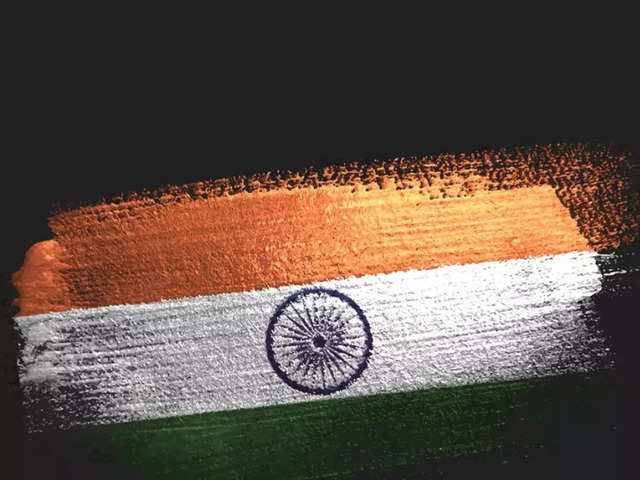
The topmost band of the Indian flag is saffron in colour, which signifies the nation's bravery and power. The white centre line on the Dharma Chakra denotes harmony and truth. The last green stripe symbolises the land's richness, growth and good fortune.
The topmost band of the Indian flag is saffron in colour, which signifies the nation's bravery and power. The white centre line on the Dharma Chakra denotes harmony and truth. The last green stripe s..
Read More
In Sarnath, the Lion Capital - created by the Mauryan Emperor Ashoka in the third century BC - featured a 'Dharma Chakra' which represented the 'wheel of the law'. The chakra aims to demonstrate that one can only flourish with movement as stagnation can lead to death. Hence, India should welcome change.
In Sarnath, the Lion Capital - created by the Mauryan Emperor Ashoka in the third century BC - featured a 'Dharma Chakra' which represented the 'wheel of the law'. The chakra aims to demonstrate that..
Read More
After years of independence, the flag code was changed on January 26, 2002. The Indians were allowed to fly the flag above their residences, places of business, and industries as long as the Flag Code's rules are properly obeyed to prevent any disrespect for the Tricolour. The Flag Code of India, 2002, has been separated into three sections for convenience.
After years of independence, the flag code was changed on January 26, 2002. The Indians were allowed to fly the flag above their residences, places of business, and industries as long as the Flag Cod..
Many people purchase paper flags to celebrate patriotic occasions. But there is also a need to follow "The Flag Code of 2002." It states that the National Flag must never be thrown on the ground.
ADVERTISEMENT
It is important for the citizens to know the national flag's importance and respect it. The National Flag should first be folded by the citizens before being stored.
Let us get acquainted with the steps to properly store the National Flag:
Step 1: First, remove the flag from its placement.
Step 2: It must now be positioned horizontally.
Step 3: Now, fold the saffron and green bands under the white band so that the saffron and green colour strips are visible.
Step 4: This should be done in such a way that only the Ashoka chakra and a portion of the saffron and green bands should be visible after folding the white band from either side to the centre.
Step 5: Once done, the flag can be carried and stored in the person's hands or arms.
Business News › Magazines › Panache › Buzz › Independence Day 2022: How to store Indian National Flag after Independence Day celebrations?Text Size:AAA