Cardiovascular disease symptoms: How they are different in men and women
Heart disease is the primary cause of death for men and women across the US. However, it is imperative to understand that men and women have different warning signs and symptoms of this serious ailment. Keep reading to learn more about how men and...
By ET Spotlight Special | Updated:

Agencies
Although chest pains associated with cardiovascular disease can impact both men and women equally, women are more prone to other indications like dizziness and upper back problems. Hence, understanding the symptoms is very crucial.
Cardiovascular diseases and the symptoms that go along with them
Heart Attack: The most typical sign of a heart attack in men and women is chest pain, which might feel stiff, heavy, pressing, burning, or generally uncomfortable. However, women may not always exhibit some different traditional indicators that males typically exhibit, such as cold sweats and unexplained discomfort in the neck, jaw, or torso. Women are also more prone to dizziness, upper back pain, and nausea than men.
Stroke: According to the Centers for Disease Control and Prevention (CDC), a brain attack, also known as a stroke, occurs when something prevents blood circulation to some brain regions. When a vessel bursts in the brain, it can potentially cause a stroke.
Arm weakness, difficulty talking, face sagging, forgetfulness, and dizziness are typical signs of a stroke. However, women might experience other symptoms such as headaches and a more fundamental change in their state of mind.
Heart Failure: According to the CDC, heart failure happens when the heart cannot pump adequate oxygen and blood to sustain the body's other parts.
In this situation, symptoms could include exhaustion, mood swings, decreased appetite, unsettled digestion, and a shift in mood.
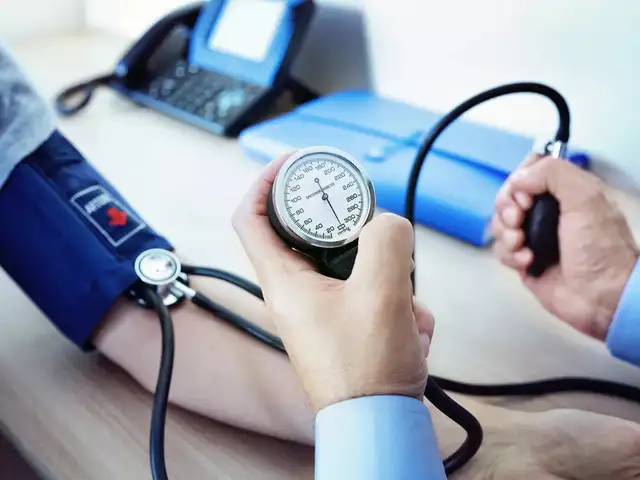
Heart Valve Disease: According to the CDC, heart valve disease is a condition in which the heart valve has been affected or is ill. Valve sickness has a variety of causes.
Rhythm Disorders: An abnormal heart rhythm occurs when the heart beats too slowly or too quickly. This primarily happens if the heartbeat is unstable.
Peripheral Vascular Disease: Leg pain that gets worse over time during walking and improves with rest is the most typical symptom of this condition. Nevertheless, 4 in 10 individuals might not encounter this kind of discomfort.
Symptoms in women make it harder to detect cardiovascular disease
Women may also have other illnesses like osteoarthritis, which have symptoms similar to peripheral artery disease and make it harder to detect.
It has also been discovered that women may frequently have underlying diseases and sensations that make it harder to identify indications of cardiovascular disease. For instance, some symptoms, such as discomfort in the shoulders, arms, upper back, chest pain, and shortness of breath, could be confused for muscle aches and tiredness or breathing issues like asthma.
Cardiovascular diseases and the symptoms that go along with them
Heart Attack: The most typical sign of a heart attack in men and women is chest pain, which might feel stiff, heavy, pressing, burning, or generally uncomfortable. However, women may not always exhibit some different traditional indicators that males typically exhibit, such as cold sweats and unexplained discomfort in the neck, jaw, or torso. Women are also more prone to dizziness, upper back pain, and nausea than men.
Stroke: According to the Centers for Disease Control and Prevention (CDC), a brain attack, also known as a stroke, occurs when something prevents blood circulation to some brain regions. When a vessel bursts in the brain, it can potentially cause a stroke.
Arm weakness, difficulty talking, face sagging, forgetfulness, and dizziness are typical signs of a stroke. However, women might experience other symptoms such as headaches and a more fundamental change in their state of mind.
Heart Failure: According to the CDC, heart failure happens when the heart cannot pump adequate oxygen and blood to sustain the body's other parts.
ADVERTISEMENT
Breathing difficulties are the first sign of heart failure. This occurs when the heart is unable to pump blood through the body. This may also take place following a cardiac arrest.In this situation, symptoms could include exhaustion, mood swings, decreased appetite, unsettled digestion, and a shift in mood.
High blood pressure or hypertension can damage vital organs if not recognised and controlled at the right time, experts have warned. It's often dismissed as a common occurrence and lifestyle disease.
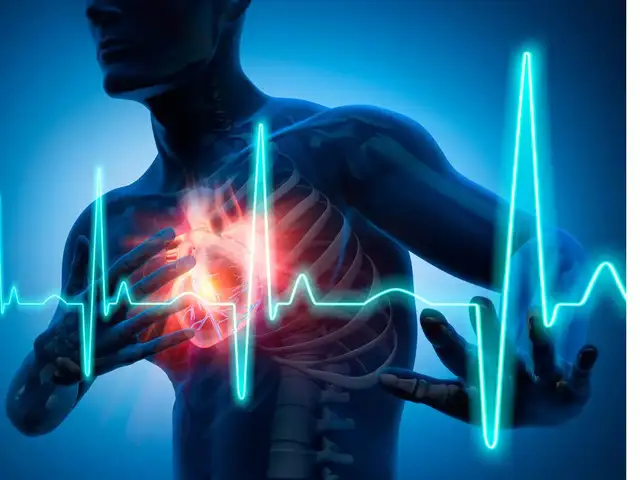
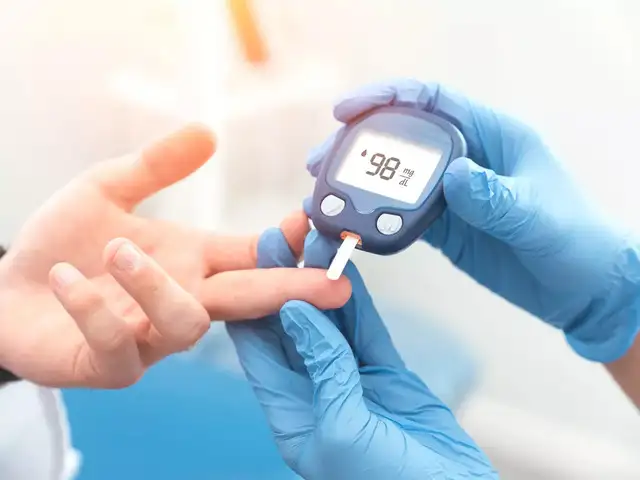

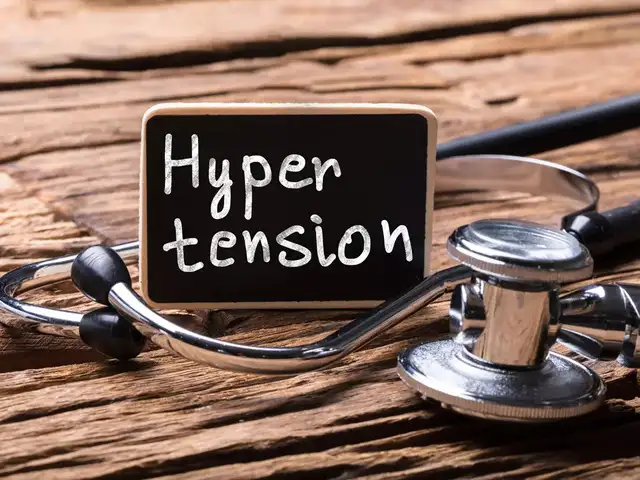


Heart Valve Disease: According to the CDC, heart valve disease is a condition in which the heart valve has been affected or is ill. Valve sickness has a variety of causes.
ADVERTISEMENT
The most prevalent complaint of this illness is difficulty breathing. Men who have heart valve problems are likely to have chest pain. However, women could have a hard time breathing, as well as having difficulties exercising and engaging in physical activities.Rhythm Disorders: An abnormal heart rhythm occurs when the heart beats too slowly or too quickly. This primarily happens if the heartbeat is unstable.
ADVERTISEMENT
Women may experience chest palpitations as a symptom of this illness, although men frequently do not exhibit symptoms. Dizziness, weariness, and chest pain are a few more signals that can appear occasionally.Peripheral Vascular Disease: Leg pain that gets worse over time during walking and improves with rest is the most typical symptom of this condition. Nevertheless, 4 in 10 individuals might not encounter this kind of discomfort.
Symptoms in women make it harder to detect cardiovascular disease
Women may also have other illnesses like osteoarthritis, which have symptoms similar to peripheral artery disease and make it harder to detect.
It has also been discovered that women may frequently have underlying diseases and sensations that make it harder to identify indications of cardiovascular disease. For instance, some symptoms, such as discomfort in the shoulders, arms, upper back, chest pain, and shortness of breath, could be confused for muscle aches and tiredness or breathing issues like asthma.
Download
The Economic Times Business News App for the Latest News in Business, Sensex, Stock Market Updates & More.
The Economic Times Business News App for the Latest News in Business, Sensex, Stock Market Updates & More.
Related Articles
 Neil Sedaka cause of death revealed: What is Atherosclerotic Cardiovascular Disease?2026-03-20T06:50:40Z
- Five Morning Habits Cardiovascular Surgeon Jeremy London Swears By for A Better Day2026-01-26T05:50:03Z
- Trump MRI shows president in 'excellent' cardiovascular health: physician2025-12-02T04:17:10Z
ADVERTISEMENT


