'Bindaas' or confidently carefree: Cultural diversity stands bindicated
The dot on Swati Mohan’s forehead drove home the point that (b)individuality rocks.
By ET Bureau |

Agencies
Being dotty is defined variously as mentally unbalanced, ridiculous, absurd or amusingly eccentric. But another meaning could also be added after the appreciative explosion on social media following Nasa scientist Dr Swati Mohan’s appearance last week calmly announcing the landing of the Mars rover Perseverance with a tiny but distinct bindi between her brows.
Being dotty — or bindy — could become an American variation of that quintessentially Indian state of being: bindaas, or confidently carefree. Particularly since another photograph of her from a different angle subsequently revealed that the young aerospace engineer had also dyed locks of her tied-back long hair in a fetching shade of blue in honour of the historic Mars touchdown.
Time was when wearing, eating or doing anything that did not conform to western norms invited derision for Indians abroad; today, the same cultural differences are welcomed and even feted as evidence of diversity and inclusion — especially at Nasa. It does not take long to connect the dots.
That despite being an Indian émigré to the US from the tender age of one, the intrepid scientist insouciantly sports an ‘ethnic’ symbol drives home the point, if you will, that the US has come a long way since the dot-busting gangs of the 1980s. Her dot has communicated her bindividuality very eloquently, indeed.
Being dotty — or bindy — could become an American variation of that quintessentially Indian state of being: bindaas, or confidently carefree. Particularly since another photograph of her from a different angle subsequently revealed that the young aerospace engineer had also dyed locks of her tied-back long hair in a fetching shade of blue in honour of the historic Mars touchdown.
Dr. Swati Mohan (@DrSwatiMohan) has inspired a new generation of scientists today. ������������ #Mars2020 https://t.co/9oJY2wx3wF
— Dr. Karan Jani (@AstroKPJ) 1613682542000Time was when wearing, eating or doing anything that did not conform to western norms invited derision for Indians abroad; today, the same cultural differences are welcomed and even feted as evidence of diversity and inclusion — especially at Nasa. It does not take long to connect the dots.
That despite being an Indian émigré to the US from the tender age of one, the intrepid scientist insouciantly sports an ‘ethnic’ symbol drives home the point, if you will, that the US has come a long way since the dot-busting gangs of the 1980s. Her dot has communicated her bindividuality very eloquently, indeed.
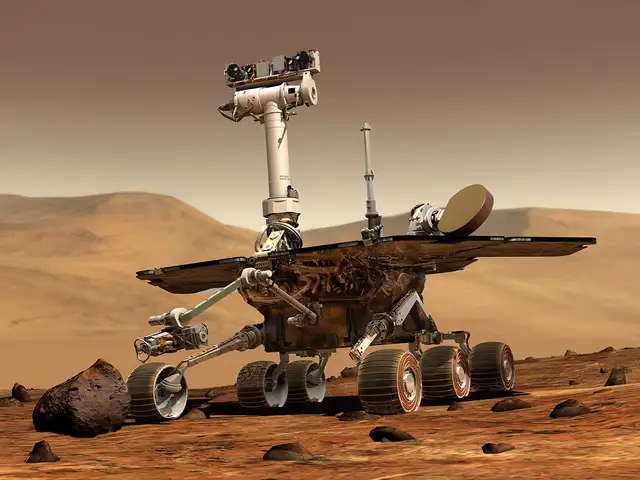
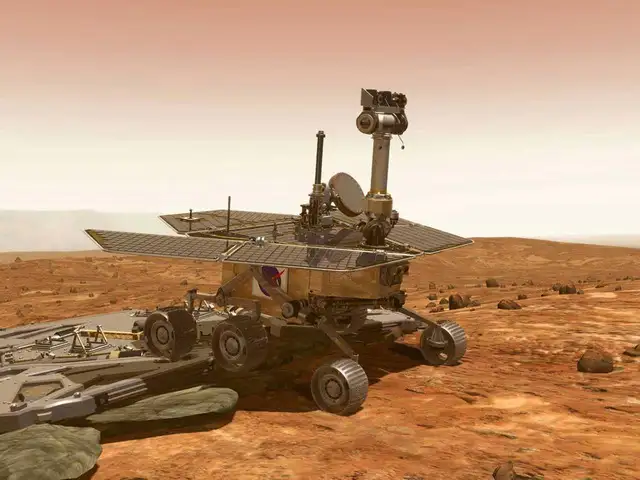
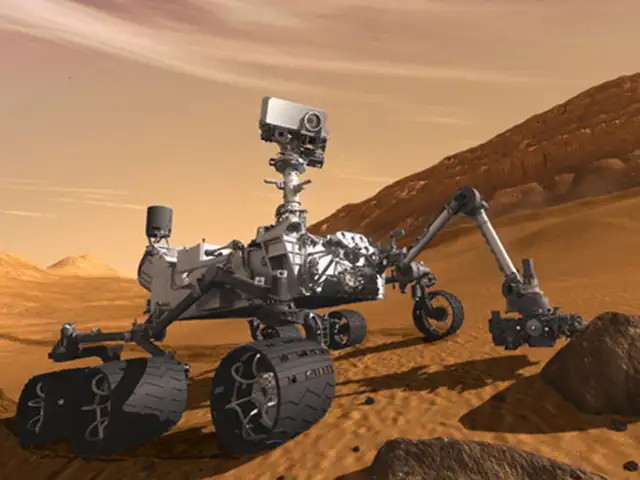
NASA recently said goodbye to robot geologist Opportunity after a Marswide dust storm put an end to its successful and enduring feats of interplanetary exploration. Check out a few glimpses of its extraterrestrial travel that’s more than the distance of a marathon on the Red Planet.






Download
The Economic Times Business News App for the Latest News in Business, Sensex, Stock Market Updates & More.
The Economic Times Business News App for the Latest News in Business, Sensex, Stock Market Updates & More.
ADVERTISEMENT


