Amitav Ghosh honoured with 54th Jnanpith award for 'outstanding contribution towards literature'
The 'Shadow Lines' author said he was 'humbled' by the recognition.
By PTI | Updated:

BCCL
NEW DELHI: Noted English writer Amitav Ghosh has been honoured with this year's Jnanpith Award, a literary award given to an author for "outstanding contribution towards literature", Bharatiya Jnanpith announced Friday.
"Amitav Ghosh is a path- breaking novelist. In his novels, Ghosh treads through historical settings to the modern era and weaves a space where the past connects with the present in relevant ways.
"His fiction is endowed with extraordinary depth and substance through his academic training as a historian and a social anthropologist," a statement from Bharatiya Jnanpith read.
The decision was taken in a meeting of Jnanpith Selection Board chaired by eminent novelist, scholar and Jnanpith laureate Pratibha Ray.
Ghosh, one of the most prominent contemporary Indian writers, is known for a series of novels such as 'Shadow Lines', 'The Glass Palace', 'The Hungry Tide', and Ibis Trilogy - 'Sea of Poppies', 'River of Smoke', and 'Flood of Fire' - chronicling the Opium trade between India and China run by the East India Company.
The writer, in a tweet, said he was "honoured and humbled".
In another tweet responding to a fan, he said, "this is an amazing day for me. I never thought I would find myself on this list, with some of the writers I most admire."
Born in Kolkata in 1956 to a Bengali Hindu family, the 62-year-old author currently lives in New York with his wife Deborah Baker.
Ghosh, who spent his formative years in India, Bangladesh and Sri Lanka, studied in Delhi, Oxford and Alexandria.
His most recent book, 'The Great Derangement; Climate Change and the Unthinkable, a work of non-fiction', was released in 2016.
Ghosh is also recipient of the Padma Shri and Sahitya Akademi Award.

"Amitav Ghosh is a path- breaking novelist. In his novels, Ghosh treads through historical settings to the modern era and weaves a space where the past connects with the present in relevant ways.
"His fiction is endowed with extraordinary depth and substance through his academic training as a historian and a social anthropologist," a statement from Bharatiya Jnanpith read.
The decision was taken in a meeting of Jnanpith Selection Board chaired by eminent novelist, scholar and Jnanpith laureate Pratibha Ray.
Ghosh, one of the most prominent contemporary Indian writers, is known for a series of novels such as 'Shadow Lines', 'The Glass Palace', 'The Hungry Tide', and Ibis Trilogy - 'Sea of Poppies', 'River of Smoke', and 'Flood of Fire' - chronicling the Opium trade between India and China run by the East India Company.
The writer, in a tweet, said he was "honoured and humbled".
ADVERTISEMENT
I am truly honored and humbled... https://t.co/q9k35TKEwr
— Amitav Ghosh (@GhoshAmitav) 1544782976000In another tweet responding to a fan, he said, "this is an amazing day for me. I never thought I would find myself on this list, with some of the writers I most admire."
Thank you. This is an amazing day for me. I never thought I would find myself on this list, with some of the writer… https://t.co/1CeafLtk4H
— Amitav Ghosh (@GhoshAmitav) 1544783961000Born in Kolkata in 1956 to a Bengali Hindu family, the 62-year-old author currently lives in New York with his wife Deborah Baker.
Ghosh, who spent his formative years in India, Bangladesh and Sri Lanka, studied in Delhi, Oxford and Alexandria.
ADVERTISEMENT
His most recent book, 'The Great Derangement; Climate Change and the Unthinkable, a work of non-fiction', was released in 2016.
Ghosh is also recipient of the Padma Shri and Sahitya Akademi Award.
ADVERTISEMENT
By Apoorva Puranik
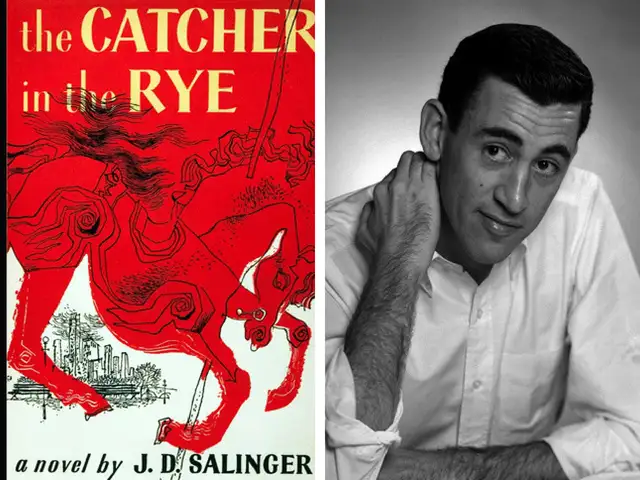
As Haruki Murakami’s new book faces a ban in Hong Kong for being obscene, here are some other literary masterpieces that fought a hard battle to reach bookshelves.





Download
The Economic Times Business News App for the Latest News in Business, Sensex, Stock Market Updates & More.
The Economic Times Business News App for the Latest News in Business, Sensex, Stock Market Updates & More.
ADVERTISEMENT


