Alzheimer’s can occur in 30s & 40s: Common signs include repeating questions, becoming suspicious of others
Research shows that damage to the brain starts years before the symptoms appear.
By ET CONTRIBUTORS |
Getty Images
By Dr Kalyani Karkare
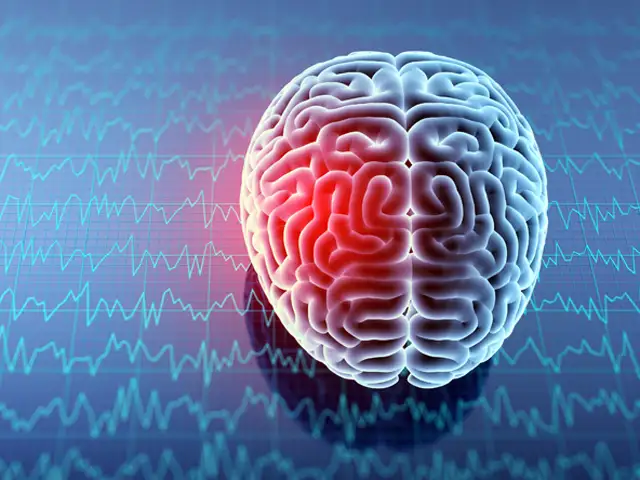
Most people fail to realise that loss of memory could be a sign of an irreversible and progressive brain disorder. They mistake Alzheimer's disease for normal ageing. The most common cause of dementia, an umbrella term for memory loss and other cognitive abilities, Alzheimer’s is typically diagnosed in patients over 65 years of age. However, there are cases of early-onset Alzheimer’s too, which occur in patients in their 30s and 40s.
Although the exact cause of Alzheimer’s is not known yet, researchers believe that a combination of genetic, environmental and lifestyle factors are responsible for the disease named after Alois Alzheimer, a German psychiatrist.
In 1906, he was the first to find the prime suspects — plaques (called as amyloid plaques) and tangles (also known as neurofibrillary tangles) — in damaging and killing nerve cells in the brain. EARLY SYMPTOMS Alzheimer’s worsens over time. The key is to watch out for early symptoms, which can eventually get so bad that they hamper one’s ability to carry out simple, day-to-day tasks.
The symptoms differ from person to person. In the early stages, non-memory functions can show deterioration in the form of word-finding difficulty, visuo-spatial disorientation and impaired judgement.
ADVERTISEMENT
However, the common signs include difficulty in remembering things (especially newly-learned information), repeating questions, losing one’s way in familiar places, taking longer with daily self-care tasks, behaviour changes (becoming aggressive or suspicious of others), difficulty in swallowing and speaking coherently, and inability to walk without support.
Research shows that damage to the brain starts years before the symptoms appear. Hallucinations, delusions and paranoia are often indications that the disease has progressed beyond the early stage. People with severe Alzheimer’s are likely to become completely dependent on others for their care. MANAGING IT A complex disease, Alzheimer’s cannot be cured or its progression reversed by any medication, therapy, or intervention.
There are a few USFDA-approved medications for early Alzheimer’s disease like rivastigmine, donepezil and memantine, which work by regulating neurotransmitters (chemicals in brain). However, early diagnosis and treatment can help slow down the symptoms, help preserve daily functioning for longer, and improve the quality of life not just for people with Alzheimer’s, but also their caregivers.
ADVERTISEMENT
Support groups for patients and caregivers can form a pivotal role in Alzheimer’s care. BE ACTIVE Studies suggests that eating a diet rich in fruits, vegetables, fish and nuts, staying physically fit and mentally active as well as quitting smoking and cutting down on alcohol can reduce your risk or delay the onset of Alzheimer’s.
ADVERTISEMENT
There’s no denying the importance of engaging in mentally-stimulating pursuits — say, learning a new language or a skill — to keep cognitive decline and Alzheimer’s at bay. It definitely helps to have an active social life, especially as one gets older.
(The writer is a Consultant Neurologist at Sagar Hospital)
World No Tobacco Day: Smoking Can Hurt Eyes, Bones And Brain
1/10
Most smokers believe smoking is cool. No matter how you indulge in it, tobacco is harmful to your health. Tobacco contains over 7,000 toxins and 70 known carcinogens (chemicals that increase cancer risk) and can damage nearly every organ of the body.
Dr Sachin Kumar, Senior Consultant - Pulmonology at Sakra World Hospital explains how smoking affects every part of your body.
The next time you are tempted to take a drag, just pause for a minute and think of the consequences of your indulgence.
Most smokers believe smoking is cool. No matter how you indulge in it, tobacco is harmful to your health. Tobacco contains over 7,000 toxins and 70 known carcinogens (chemicals that increase cancer r..
Read More
Smoking usually helps smokers relax on a short-term basis. But, it comes at a huge price in the long-term. Smoking results in addiction and anxiety. It alters the brain chemistry and can increase the risk of stroke.
Smoking usually helps smokers relax on a short-term basis. But, it comes at a huge price in the long-term. Smoking results in addiction and anxiety. It alters the brain chemistry and can increase the..
Read More
Cancer of mouth and throat is common among smokers. In addition, smoking can also result in gum disease, premature tooth loss, discolouration of teeth, etc.
Cancer of mouth and throat is common among smokers. In addition, smoking can also result in gum disease, premature tooth loss, discolouration of teeth, etc.
Lung cancer, one of the leading causes of death in the world, develops due to smoking. Chronic Obstructive Pulmonary Disease which causes difficulty in breathing is another common cause of death among smokers. Chronic Bronchitis, the inflammation of the bronchial tubes which also results in difficulty in breathing, is caused primarily due to smoking.
Smoking also increases the risk of other infections like pneumonia, tuberculosis, etc.
Lung cancer, one of the leading causes of death in the world, develops due to smoking. Chronic Obstructive Pulmonary Disease which causes difficulty in breathing is another common cause of death amon..
Read More
Smoking is one of the leading causes for heart diseases. Regular smokers, as well as second-hand/passive smokers, are at high risk of heart disease.
Tobacco also contributes to heart conditions by reducing the good cholesterol (HDL) and increasing the bad cholesterol (LDL and Triglycerides) in the body.
Smoking is one of the leading causes for heart diseases. Regular smokers, as well as second-hand/passive smokers, are at high risk of heart disease.
Tobacco also contributes to heart conditions by r..
Read More
In men, smoking can result in abnormality of sperm, impotence, erectile dysfunction and prostate cancer.
In women, smoking can result in infertility, miscarriage, early menopause, and cervical and ovarian cancer.
Smoking can impact the future generation, and can lead to physical deformities and sudden infant deaths.
In men, smoking can result in abnormality of sperm, impotence, erectile dysfunction and prostate cancer.
In women, smoking can result in infertility, miscarriage, early menopause, and cervical and ..
Read More
Smoking increases the risk of eye-related problems like stinging, excessive tearing, glaucoma and cataract. It can result in partial or total blindness if untreated.
Smoking increases the risk of eye-related problems like stinging, excessive tearing, glaucoma and cataract. It can result in partial or total blindness if untreated.
The kidney's main function is to clear the toxic wastes from our body. But, smoking does exactly the opposite.
It increases the chances of kidney failure, bladder cancer and other urinary tract-related problems.
The kidney's main function is to clear the toxic wastes from our body. But, smoking does exactly the opposite.
It increases the chances of kidney failure, bladder cancer and other urinary tract-rela..
Read More
Bones provide structure to the body. Due to the toxins present in tobacco, smoking can result in osteoporosis (weakening of the bones), increasing the risk of hip fracture, spine-related problems, bone marrow cancer and also rheumatoid arthritis.
In addition to the above-mentioned problems, tobacco can also result in premature ageing, hair loss, weak immunity etc.
Bones provide structure to the body. Due to the toxins present in tobacco, smoking can result in osteoporosis (weakening of the bones), increasing the risk of hip fracture, spine-related problems, bo..
Read More
Smoking reduces appetite. It prevents adequate nutrition to the body which makes the body weak. It can also up the insulin resistance of the body which makes people susceptible to type 2 diabetes. It also has a negative impact on the liver and intestine, and can increase the risk of ulcers in the stomach and intestine.
Smoking reduces appetite. It prevents adequate nutrition to the body which makes the body weak. It can also up the insulin resistance of the body which makes people susceptible to type 2 diabetes. It..
(Disclaimer: The opinions expressed in this column are that of the writer. The facts and opinions expressed here do not reflect the views of www.economictimes.com.)
Business News › Magazines › Panache › Alzheimer’s can occur in 30s & 40s: Common signs include repeating questions, becoming suspicious of othersText Size:AAA