A Caravaggio painting was up for auction at merely $1,800, but Spain govt slapped export ban
The 17th-century oil painting is believed to be a lost masterpiece by the Renaissance artist.
By AP |

Agencies
MADRID: Spanish authorities have slapped an export ban on a painting a day before it was due to be auctioned with a starting price tag of 1,500 euros ($1,780), saying it could be a lost work by Italian Baroque master Michelangelo Merisi da Caravaggio.
The oil-on-canvas work apparently depicts the Biblical passage of the Ecce Homo, in which Jesus Christ is presented to the crowds before being crucified. The 111-by-86-centimeter (44-by-34-inch) piece had been attributed to disciples of Jose de Ribera, a 17th-century Spanish painter who was fond of Caravaggio's work.
The painting was taken off the final list of items to be auctioned after Spanish authorities banned its possible export Thursday citing initial evidence that its real author could be the Italian master, Spain's Ministry of Culture said in a statement.
The price tag for an authentic Caravaggio would stretch into dozens of millions of euros (dollars), if not more.
The work still appears in the online catalog of Ansorena, a long-established Spanish auction house specializing in antique goods and jewelry, as "The Crowning with Thorns." The catalog says it can be attributed to the "circle of Jose de Ribera."
A so-called "tenebrist" who made dramatic use of light and shadow - like Caravaggio - especially in his young days, Ribera was nicknamed "Lo Spagnoletto," or the Little Spaniard, in Italy, where he pursued most of his career in the first half of the 17th century.
According to the ministry, the Prado National Museum in Madrid called the painting to the authorities' attention on Tuesday, after finding "enough documental and stylistic evidence" that it could have been painted by Caravaggio, who lived between Naples, Malta and Sicily from 1571 to 1610.
After a hastily-convened meeting, the Culture Ministry informed the auction house of the export ban, a move allowed under Spanish laws to protect artifacts considered of "cultural interest."
Culture Minister Jose Manuel Rodriguez Uribes on Thursday told reporters that he was glad that officials had acted swiftly to keep the painting in Spain. He recalled how, in 1976, authorities were unable to stop the Cleveland Museum of Art from acquiring "The Crucifixion of Saint Andrew," another work by Caravaggio that belonged to the Spanish Viceroy of Naples in the early 17th century.
"It could be that, in the end, it's a painting by a disciple of Ribera, as it was said. But, in any case, our decision ... is very appropriate because the painting is very valuable," Rodriguez Uribes said. "Hopefully it will be a Caravaggio."
The ministry said that considering the speed of the developments experts were going to undertake "a deep technical and scientific study" of the artwork and that academics would establish whether to attribute it to Caravaggio.
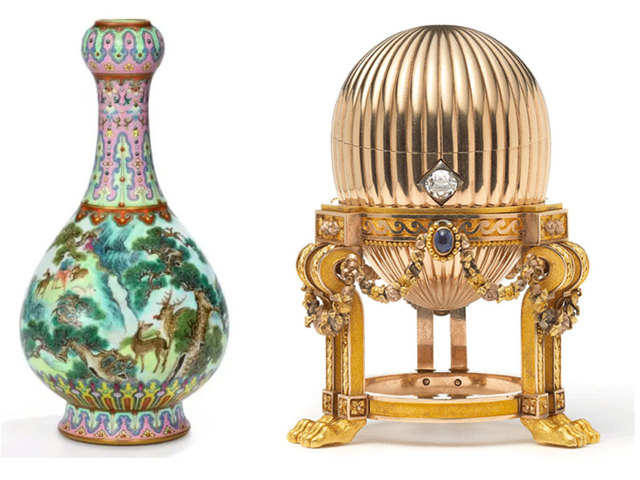
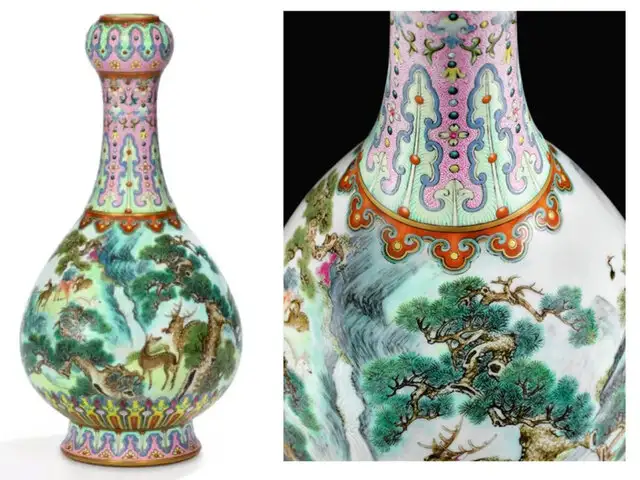
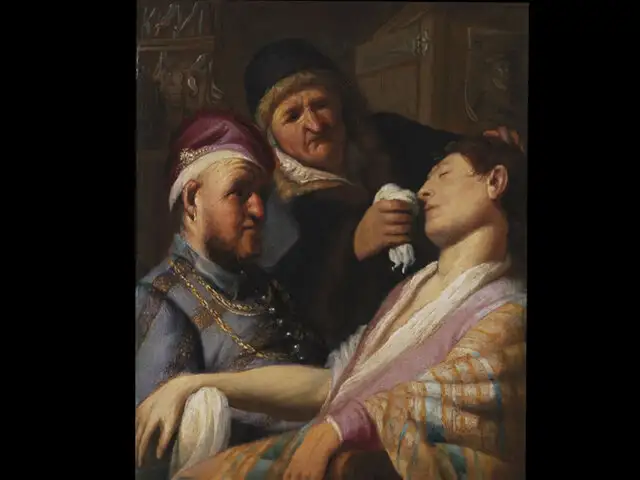
Treasures aren’t always hidden. Sometimes they can be right under your nose, either gathering dust in an attic or lying unclaimed in a thrift store.
A look at seemingly ordinary pieces that were a lot more valuable than expected.
The oil-on-canvas work apparently depicts the Biblical passage of the Ecce Homo, in which Jesus Christ is presented to the crowds before being crucified. The 111-by-86-centimeter (44-by-34-inch) piece had been attributed to disciples of Jose de Ribera, a 17th-century Spanish painter who was fond of Caravaggio's work.
The painting was taken off the final list of items to be auctioned after Spanish authorities banned its possible export Thursday citing initial evidence that its real author could be the Italian master, Spain's Ministry of Culture said in a statement.
The price tag for an authentic Caravaggio would stretch into dozens of millions of euros (dollars), if not more.
The work still appears in the online catalog of Ansorena, a long-established Spanish auction house specializing in antique goods and jewelry, as "The Crowning with Thorns." The catalog says it can be attributed to the "circle of Jose de Ribera."
A so-called "tenebrist" who made dramatic use of light and shadow - like Caravaggio - especially in his young days, Ribera was nicknamed "Lo Spagnoletto," or the Little Spaniard, in Italy, where he pursued most of his career in the first half of the 17th century.
ADVERTISEMENT
According to the ministry, the Prado National Museum in Madrid called the painting to the authorities' attention on Tuesday, after finding "enough documental and stylistic evidence" that it could have been painted by Caravaggio, who lived between Naples, Malta and Sicily from 1571 to 1610.
After a hastily-convened meeting, the Culture Ministry informed the auction house of the export ban, a move allowed under Spanish laws to protect artifacts considered of "cultural interest."
Culture Minister Jose Manuel Rodriguez Uribes on Thursday told reporters that he was glad that officials had acted swiftly to keep the painting in Spain. He recalled how, in 1976, authorities were unable to stop the Cleveland Museum of Art from acquiring "The Crucifixion of Saint Andrew," another work by Caravaggio that belonged to the Spanish Viceroy of Naples in the early 17th century.
"It could be that, in the end, it's a painting by a disciple of Ribera, as it was said. But, in any case, our decision ... is very appropriate because the painting is very valuable," Rodriguez Uribes said. "Hopefully it will be a Caravaggio."
ADVERTISEMENT
The ministry said that considering the speed of the developments experts were going to undertake "a deep technical and scientific study" of the artwork and that academics would establish whether to attribute it to Caravaggio.
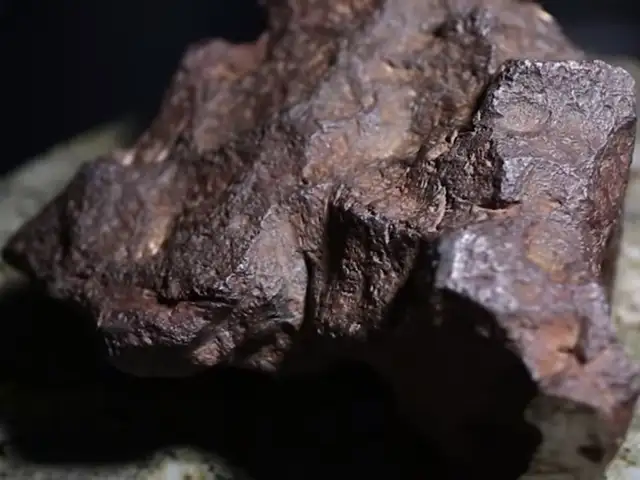
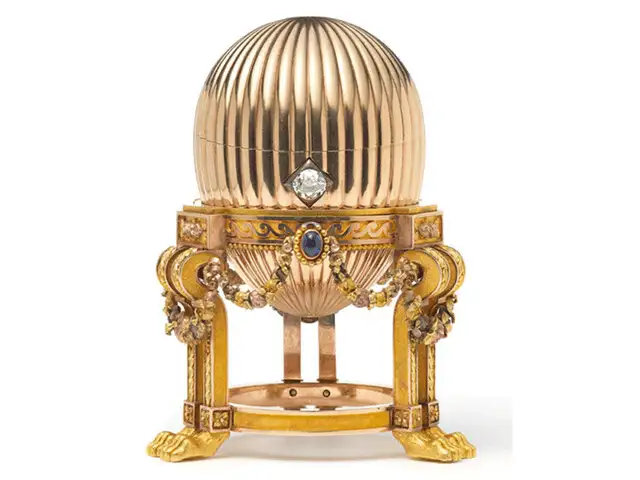
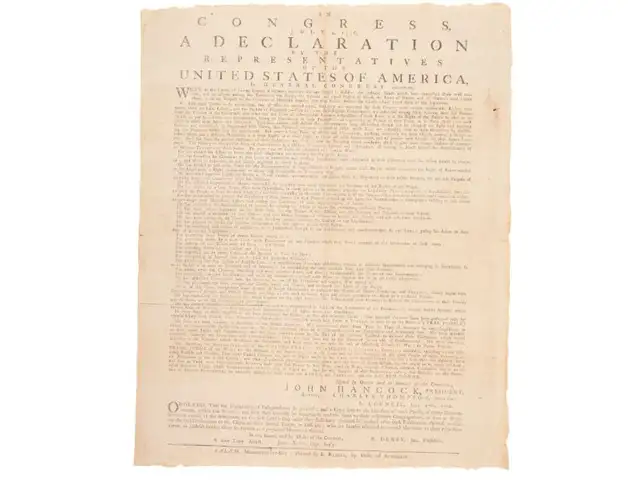
A look at seemingly ordinary pieces that were a lot more valuable than expected.

Download
The Economic Times Business News App for the Latest News in Business, Sensex, Stock Market Updates & More.
The Economic Times Business News App for the Latest News in Business, Sensex, Stock Market Updates & More.
ADVERTISEMENT


