2021 was the year of self-care. Pandemic made people look at mental health struggles differently
Children, adolescents and health workers were the most affected during the pandemic.
By PTI | Updated:
iStock
The positive part of all this is that in 2021 we have talked so much about mental health that many taboos have begun to be blurred.
MADRID: Before the COVID-19 pandemic began, the world was already immersed in a deep mental health crisis. Despite the fact that at least a quarter of the population was destined to suffer from mental illness throughout their lives, the health authorities did not take measures commensurate with the seriousness of the matter. And the situation generated by the new coronavirus only made things worse.
The physical isolation to which the population was subjected, added to the fear and bewilderment due to the immediate effects of the virus on health, were two of the main triggers. But economic woes, misinformation and rumours (often distressing) about everything surrounding covid-19 also contributed.
Not forgetting that exposure to contradictory, unreliable or focused information only on negative aspects of the situation can lead to mental health problems such as depression or anxiety .
Children, adolescents and health workers, the most affected Those who have borne the brunt of this psychic toll from the pandemic have been children and adolescents.
Without the structured environment of the school, and after losing family routines and the possibility of playing sports, or even going out with friends, they have suffered longer and more intense adverse consequences. Disorders of eating behaviour and suicide attempts were the stars on the fringes of adolescents and young age.
ADVERTISEMENT
Front- line health workers, who among other things have suffered from compassion fatigue, have not fared too well either.
World Mental Health Day: Feeling Low? Oats, Bananas, Berries & Nuts Can Keep Anxiety & Depression At Bay
1/9
On certain days, it's normal to feel low or anxious. It could be work-related pressure or a personal problem that is not in your control. The mood you are in can be influenced by factors like stress, the external environment, poor sleep, genetics and nutritional deficiencies.
In such a scenario, ensuring a proper diet can not only help your immune system and heart function better, but can also improve your mood, sleep and proper digestion. Food plays a major role in our life - from aiding overall health to keeping your well-being in check.
While following a routine and maintaining a healthy lifestyle is important, one can add vegetables, fruits, legumes, whole grains, lean protein, omega-3 and fermented foods, dark chocolate, oats, berries, and nuts and seeds to their daily diet to combat anxiety and stress.
On World Mental Health Day, Daljit Kaur, Chief Dietician at Fortis Escorts Heart Institute, New Delhi; Dr Preeti Parakh, Psychiatrist and Head at Mpower - The Centre (Kolkata); Simrun Chopra, Deep Health Coach and founder at Nourish with Sim; and Dr. Roma Kumar, Chief Psychologist at Emotionally.in, suggest consuming a well-balanced meal, rich in nutrient-dense carbs, fats and proteins that will help you feel better.
On certain days, it's normal to feel low or anxious. It could be work-related pressure or a personal problem that is not in your control. The mood you are in can be influenced by factors like stress,..
Read More
One large banana provides 16 grams of sugar and 3.5 grams of fiber. When paired with fibre, sugar is released slowly into your bloodstream, allowing for stable blood sugar levels and better mood control. Blood sugar levels that are too low may lead to irritability and mood swings.
It is also rich in Vitamin B6, which helps synthesise feel-good neurotransmitters like dopamine and serotonin.
Bananas are an excellent source of prebiotics, a type of fibre that helps feed healthy bacteria in your gut. A robust gut microbiome is associated with lower rates of mood disorders.
Other than bananas, having a visually appealing and aesthetically pleasing fruit salad or fruit platter can bring some immediate respite. The Vitamin A and C-rich platter can help in uplifting the food.
Green vegetables, just like fruits, are rich in B-complex vitamins and antioxidants. B-complex vitamins are necessary for the functioning of brain cells and deficiency of these can lead to memory loss amongst other problems. Deficiency of folate, a B-complex vitamin, has been shown to be linked with depression.
One large banana provides 16 grams of sugar and 3.5 grams of fiber. When paired with fibre, sugar is released slowly into your bloodstream, allowing for stable blood sugar levels and better mood cont..
Read More
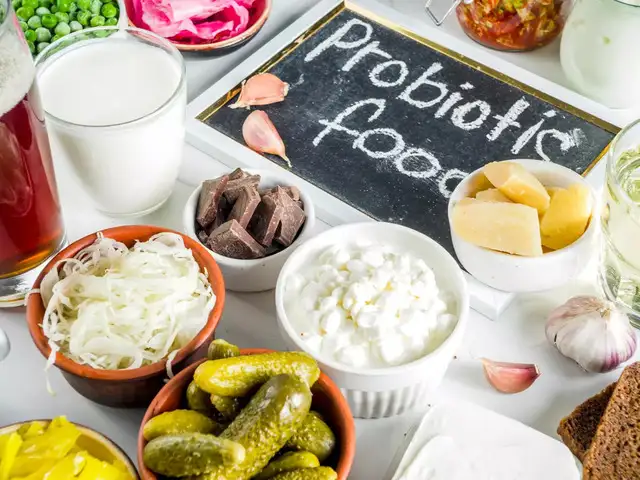
Fermented foods are packed with excellent gut bacteria and anti-inflammatory properties.
The fermentation process allows live bacteria to thrive in foods that are then able to convert sugars into alcohol and acids. During this process, probiotics are created which increase serotonin levels, allowing the good bacteria in the gut to survive.
Serotonin is a neurotransmitter that affects many facets of human behaviour such as mood, stress response, appetite and sexual drive. Up to 90 per cent of your body’s serotonin is produced by your gut microbiome, or the collection of healthy bacteria in your gut.
Probiotics such as yogurt and curd can reduce symptoms of depression, by improving the bacterial flora in the gut. The gut brain axis involves chemical signalling between the brain and the bacteria in the gut. Disruption in this signalling can cause symptoms of irritable bowel syndrome, anxiety and depression.
Curd, lassi, buttermilk (chaas) and other fermented foods have positive effects on brain health especially for reducing anxiety, stress, and depression. Other fermented foods include kimchi, kefir, kombucha and sauerkraut can also help improve gut health and mood.
However, it’s important to note that not all fermented foods like beer, some breads and wine (due to the process used for cooking and filtering) are significant sources of probiotics.
Fermented foods are packed with excellent gut bacteria and anti-inflammatory properties.The fermentation process allows live bacteria to thrive in foods that are then able to convert sugars into alco..
Read More
A diet rich in antioxidants is necessary for preventing age-related damage of brain cells, and can help manage inflammation associated with depression and other mood disorders or stress.
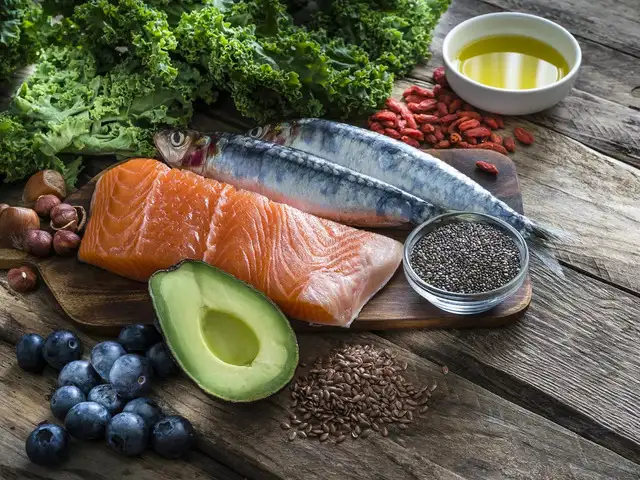
Omega-3 fatty acids are used in building and repairing brain cells. Any deficiency of these can cause problems in memory and cognition. Fish like Rawas and Hilsa, and avocado have strong positive relationships with cognitive function as well as mental health.
Berries pack a wide range of antioxidants and phenolic compounds, which play a key role in combating oxidative stress — an imbalance of harmful compounds in the body. They are particularly high in anthocyanins, a pigment that gives certain berries their purple-blue colour.
A diet rich in antioxidants is necessary for preventing age-related damage of brain cells, and can help manage inflammation associated with depression and other mood disorders or stress.Omega-3 fatty..
Read More
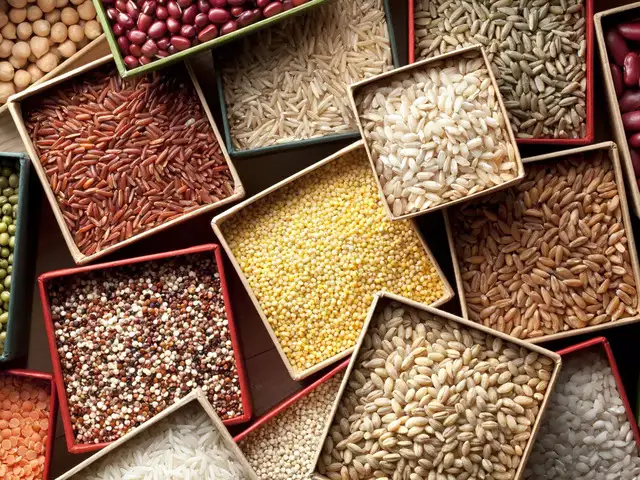
Whole grains and pulses are good sources of essential amino acids and B-complex Vitamin, both of which are necessary for synthesis of neurotransmitters like serotonin and dopamine. These chemicals influence both our mood and thought.
Another iron and fibre-rich whole grain - oats - can also help in preventing sluggishness and lethargy, and keep the energy levels up and pumping. It provides 8 grams of fibre in a single raw cup. Fibre helps slow your digestion of carbs, allowing for a gradual release of sugar into the bloodstream to keep your energy levels stable.
Oats, a daily mood booster, can be enjoyed in many forms, such as overnight oats, oatmeal, muesli and granola.
In addition to being high in fibre and plant-based protein, beans and lentils are full of feel-good nutrients. They’re an excellent source of Vitamin B that helps improve the mood by increasing levels of neurotransmitters like serotonin, dopamine, norepinephrine and gamma amino butyric acid - all of which are important for regulating the mood.
Furthermore, Vitamin B plays a key role in nerve signalling, which allows proper communication between nerve cells. Low levels of Vitamin B, especially B12 and folate, have been linked to mood disorders, such as depression or anxiety.
Finally, they’re a good source of zinc, magnesium, selenium, and non-heme iron, which may likewise elevate your spirits.
Whole grains and pulses are good sources of essential amino acids and B-complex Vitamin, both of which are necessary for synthesis of neurotransmitters like serotonin and dopamine. These chemicals in..
Read More
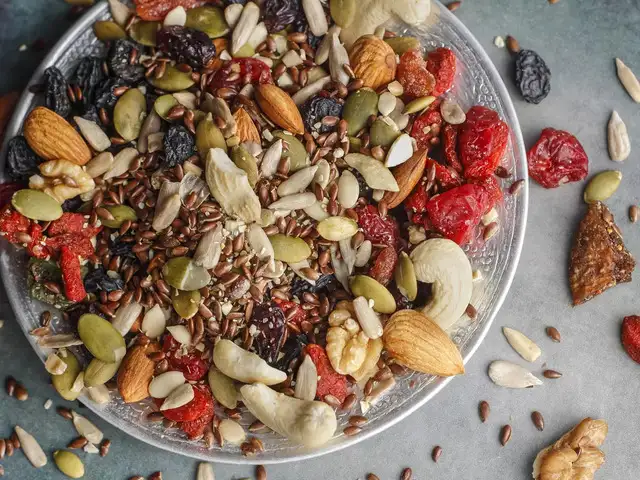
Eating more nuts and seeds are linked to lower rates of depression. Nuts and berries contain a lot of nutrients which can directly affect the energy reserve, and are high in plant-based proteins, healthy fats, and fibre.
Nuts and seeds boost mental health by supplying omega-3 fatty acids and antioxidants to the brain. They are also high in selenium which improve mood by reducing heightened levels of inflammation, caused by mood fluctuations, such as anxiety.
Eating more nuts and seeds are linked to lower rates of depression. Nuts and berries contain a lot of nutrients which can directly affect the energy reserve, and are high in plant-based proteins, hea..
Read More
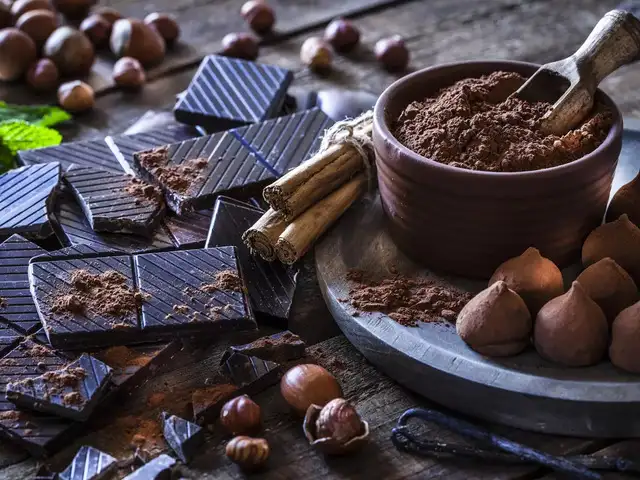
Dark chocolate works great for people experiencing anxiety as it is rich in many mood-boosting compounds. It contains flavonoids, which increase blood flow to the brain, reduce inflammation, boost brain health, and regulate the mood.
Its sugar can help in improving mood since it’s a quick source of fuel for the brain.
Furthermore, it also releases a cascade of feel-good compounds such as caffeine and theobromine — a substance chemically similar to cannabinoids - that has been linked to improved mood.
It also has a lot of tryptophan, which the body converts into mood-boosting neurotransmitters like brain serotonin. It is packed with magnesium which may aid in the relief of depressive symptoms.
Dark chocolate works great for people experiencing anxiety as it is rich in many mood-boosting compounds. It contains flavonoids, which increase blood flow to the brain, reduce inflammation, boost br..
Read More
When one feels stressed, milk is recommended. Lassi and chaas are also considered vital in reducing anxiety, stress and depression.
One can also try herbal teas like chamomile, tulsi, ginger, and green tea as they have anti-inflammatory, antibacterial, antioxidant and relaxant properties.
When one feels stressed, milk is recommended. Lassi and chaas are also considered vital in reducing anxiety, stress and depression.One can also try herbal teas like chamomile, tulsi, ginger, and gree..
Read More
Try 4x4x4 deep breathing technique - inhale while counting 1-2-3-4. Hold your breath as you count 1-2-3-4. Exhale with 1-2-3-4. Try this five times.
Mindfulness walking is a fantastic technique to declutter your thoughts and helps to regain focus and awareness of one's body and surroundings.
The best remedy - laughter - also helps improve the immune system, gives relief from stress, reduces tension and anxiety, and makes one happier.
Using essential oil candles might help in reducing stress and anxiety.
Social support from friends and family can assist you in overcoming adversity. Being a member of a buddy network offers you a sense of belonging and self-worth, both of which may be beneficial during difficult times.
Try 4x4x4 deep breathing technique - inhale while counting 1-2-3-4. Hold your breath as you count 1-2-3-4. Exhale with 1-2-3-4. Try this five times.Mindfulness walking is a fantastic technique to dec..
It is a form of secondary stress in the therapeutic help relationship, which occurs when the emotional capacity of the healthcare professional overflows to cope with the empathic commitment to the patient's suffering.
The positive part of all this is that in 2021 we have talked so much about mental health that many taboos have begun to be blurred. With the Olympic athlete Simone Biles we brought to the table how vulnerable we are to the events of life .
And with the goodbye of the actress Veronica Forque, we finally talk about suicide (and how to detect it before it is too late) without mincing words .
ADVERTISEMENT
We have also broken this year with that kind of unspoken pact not to mention depression, the mental illness with the highest incidence in the world. Besides, it seems that we are finally beginning to understand that asking for professional help if we need it does not make us weaker, but quite the opposite: it is a strength .
Although we have not nearly reached the mental health goals set for 2020 by the World Health Organisation, it is not losing hope and has granted us a generous extension.
ADVERTISEMENT
We have until 2030 to make access to quality mental health care universal. Hopefully we do not miss the opportunity to take this important step once and for all and anticipate what is to come, such as eco-anxiety , that chronic fear of an environmental collapse that experts predict will emerge as soon as the pandemic subsides.
(This is a PTI story syndicated via The Conversation)