1 in 8 suffer from hypertension, they just don't know it. Monitor BP at night, suggests Oxford study
This form of hypertension can get missed during a doctor’s appointment.
By ET Online | Updated:

Getty Images
High blood pressure (BP), also known as hypertension, often doesn't come with warning signs.
Recently, a shocking University of Oxford study revealed that millions of people may be suffering from hypertension without even knowing it. The reason - their BP levels spike only at night.
Published in the British Journal of General Practice, the researchers found one in eight people (15 per cent of respondents) between ages 40 and 75 developed a form of undiagnosed hypertension that may get missed during the doctor’s appointment.
Hypertension doesn't have any symptoms, and only some common signs include headache and fatigue. In extreme cases, some also experience severe signs like nosebleeds, vision problems, chest pain and blood in the urine. If left untreated, it can hurt heart health and make one vulnerable to health conditions like heart disease, stroke, heart failure and even death.
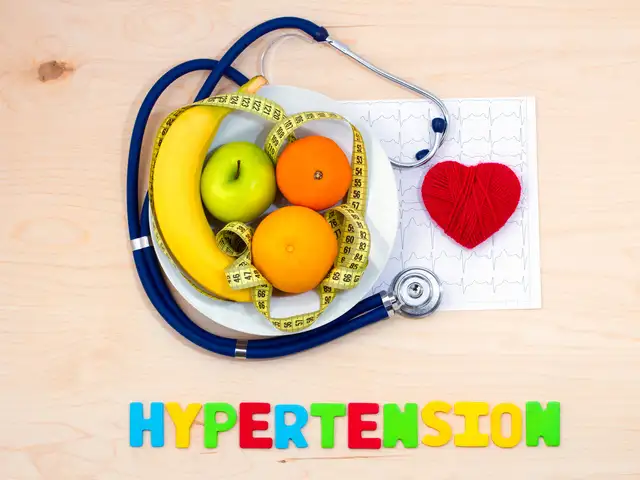
The findings show that one in three 'reverse dippers' across all sexes had at least one cardiovascular disease.
The study - conducted on around 21,000 patients from 28 GP practices and four hospitals in the Oxford area - stressed on the need for ambulatory monitoring (devices that can help record electrical activity in the heart). The study looked at 24-hour blood pressure patterns in patients admitted to the hospital, and found that nearly half of these patients have a blood pressure rise at night - termed the reverse-dipper pattern. 'Reverse dippers' are the ones whose BP at night is higher than in the day, when they are up and active.
The other two groups of blood pressure patterns are dippers (for the ones whose BP at night is lower than in the day or healthy young adults, and non-dippers (for whom night and day BP values are the same).
The study's lead author, Professor Lionel Tarassenko, said, "'Daytime blood pressure measurements are not enough. BP follows a cyclical pattern over 24 hours. Normally, it goes down at night during sleep and then rises after waking."
Following a balanced diet, healthy lifestyle and timely medication can help keep hypertension under control.
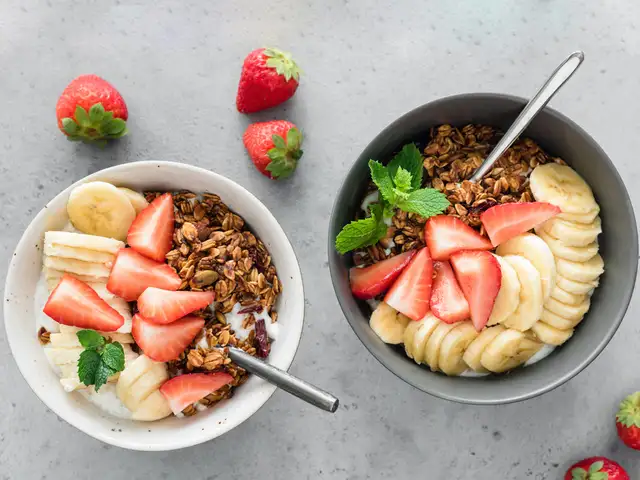
Hypertension has become a modern-day health concern for people with sedentary lifestyle.
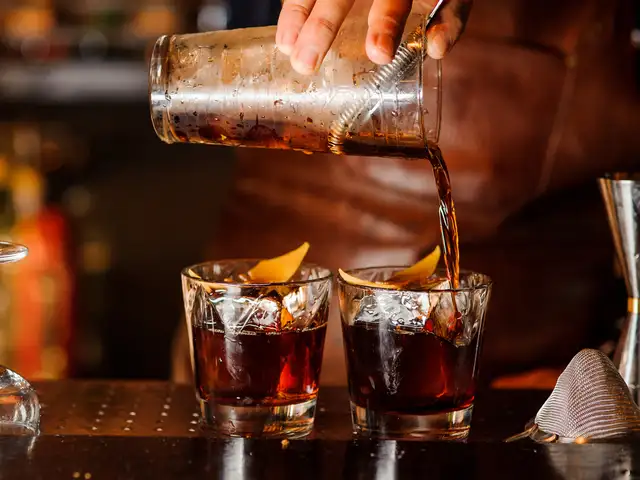
While regular check-ups and physical activities to maintain the soaring blood pressure (BP), one should also ensure a dietary control to stay healthy. Eating a healthy diet, consuming less sodium, reducing alcohol intake, and quitting smoking are some other essential steps people with high BP should follow.
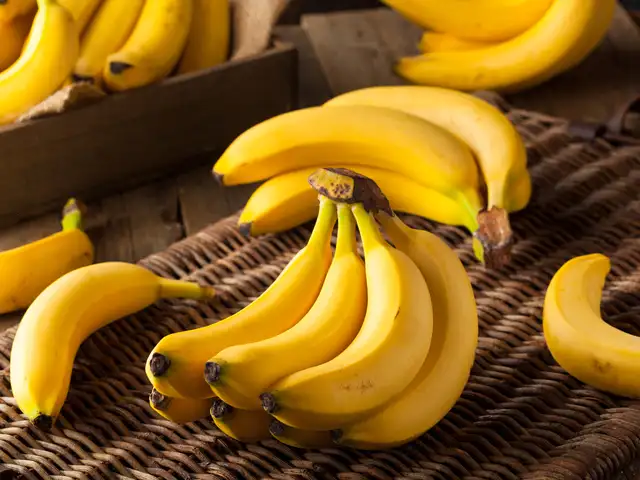
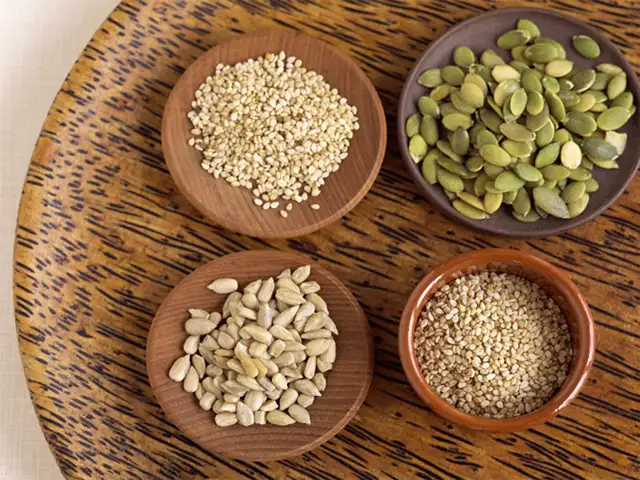
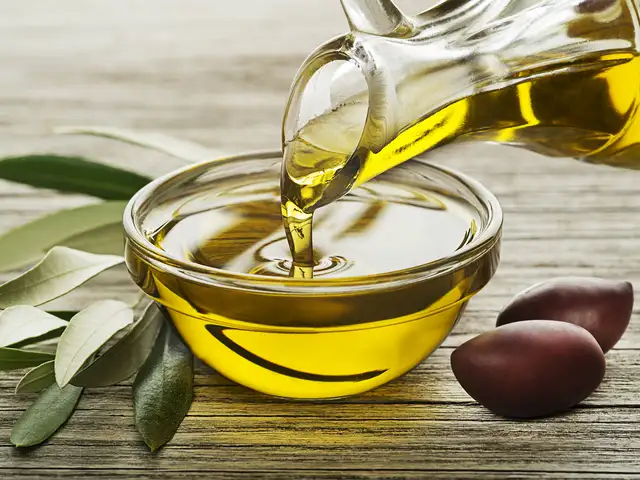
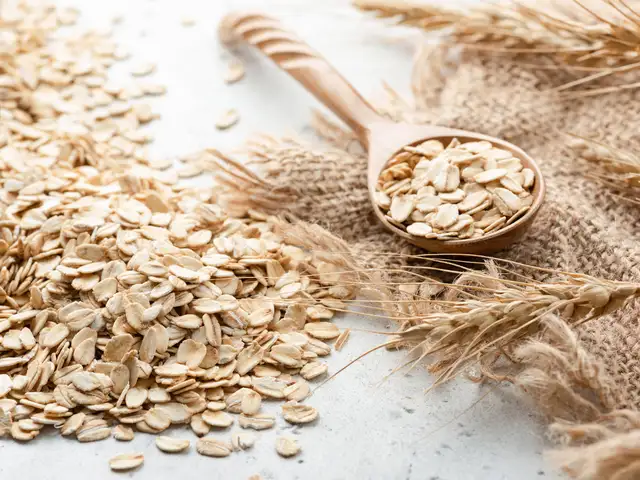
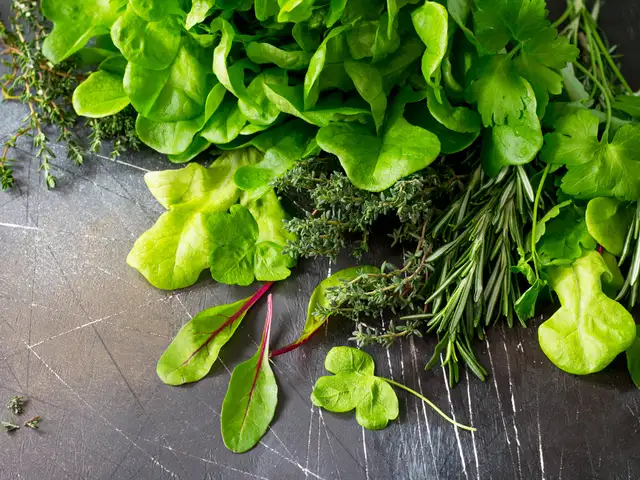
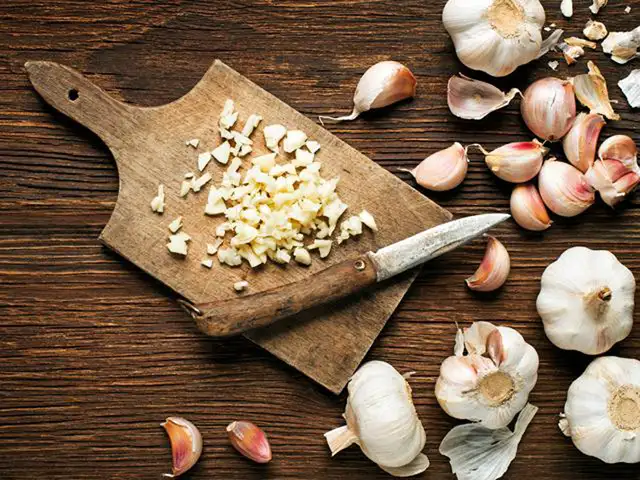
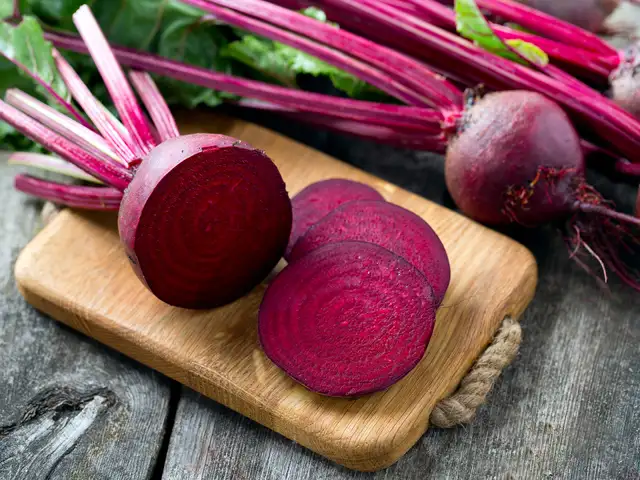
Dr Mayur Jain, Consultant and Interventional Cardiologist at Jaslok Hospital and Research Centre shares a list of superfoods that can help you lower blood pressure.
NOTE: People with kidney problems or any underlying conditions should consult a specialists before changing their diet. It is important to monitor your blood pressure twice a week followed by regular check-up by the doctor.
Recently, a shocking University of Oxford study revealed that millions of people may be suffering from hypertension without even knowing it. The reason - their BP levels spike only at night.
Published in the British Journal of General Practice, the researchers found one in eight people (15 per cent of respondents) between ages 40 and 75 developed a form of undiagnosed hypertension that may get missed during the doctor’s appointment.
Hypertension doesn't have any symptoms, and only some common signs include headache and fatigue. In extreme cases, some also experience severe signs like nosebleeds, vision problems, chest pain and blood in the urine. If left untreated, it can hurt heart health and make one vulnerable to health conditions like heart disease, stroke, heart failure and even death.
Hypertension is the most common and preventable risk factor for heart attacks, heart failure, stroke, kidney disease, and blockage of leg arteries causing pain and gangrene.
While it is important to follow a healthy lifestyle, one must educate oneself to control hypertension.
One can keep blood pressure (BP) under control with certain changes like eating a healthy diet (fruits/vegetables), working out daily, taking up a weight loss programme, quitting smoking, managing stress with yoga/meditation, and following up on medications and doctor's appointment regularly.
From lowering sodium intake to reducing alcohol intake, Dr Nikesh D Jain, Consultant Cardiologist at Jaslok Hospital and Research Centre, shares facts and myths about hypertension.

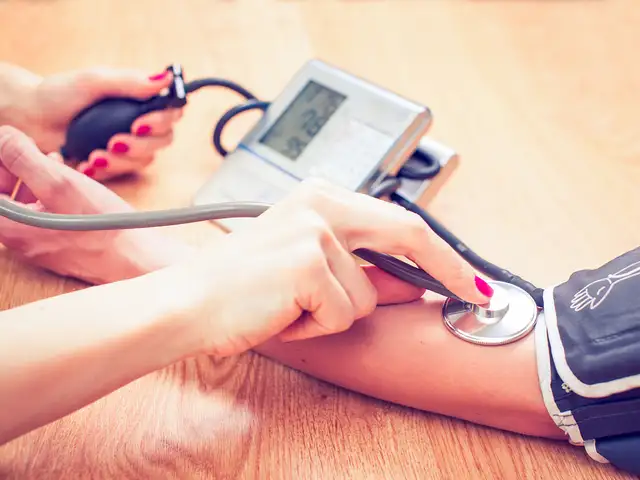
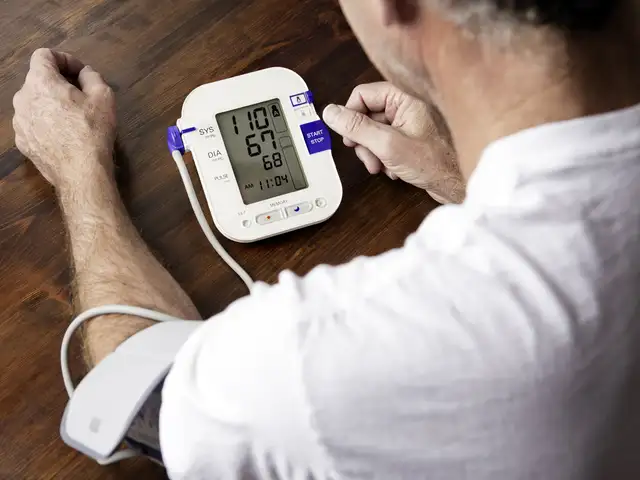


The findings show that one in three 'reverse dippers' across all sexes had at least one cardiovascular disease.
The study - conducted on around 21,000 patients from 28 GP practices and four hospitals in the Oxford area - stressed on the need for ambulatory monitoring (devices that can help record electrical activity in the heart). The study looked at 24-hour blood pressure patterns in patients admitted to the hospital, and found that nearly half of these patients have a blood pressure rise at night - termed the reverse-dipper pattern. 'Reverse dippers' are the ones whose BP at night is higher than in the day, when they are up and active.
ADVERTISEMENT
The other two groups of blood pressure patterns are dippers (for the ones whose BP at night is lower than in the day or healthy young adults, and non-dippers (for whom night and day BP values are the same).
The study's lead author, Professor Lionel Tarassenko, said, "'Daytime blood pressure measurements are not enough. BP follows a cyclical pattern over 24 hours. Normally, it goes down at night during sleep and then rises after waking."
Following a balanced diet, healthy lifestyle and timely medication can help keep hypertension under control.
While regular check-ups and physical activities to maintain the soaring blood pressure (BP), one should also ensure a dietary control to stay healthy. Eating a healthy diet, consuming less sodium, reducing alcohol intake, and quitting smoking are some other essential steps people with high BP should follow.
Dr Mayur Jain, Consultant and Interventional Cardiologist at Jaslok Hospital and Research Centre shares a list of superfoods that can help you lower blood pressure.
NOTE: People with kidney problems or any underlying conditions should consult a specialists before changing their diet. It is important to monitor your blood pressure twice a week followed by regular check-up by the doctor.


Download
The Economic Times Business News App for the Latest News in Business, Sensex, Stock Market Updates & More.
The Economic Times Business News App for the Latest News in Business, Sensex, Stock Market Updates & More.
ADVERTISEMENT


