
Vande Bharat vs Amrit Bharat: How the two trains differ in fares, coaches, speed and passenger facilities
1/6
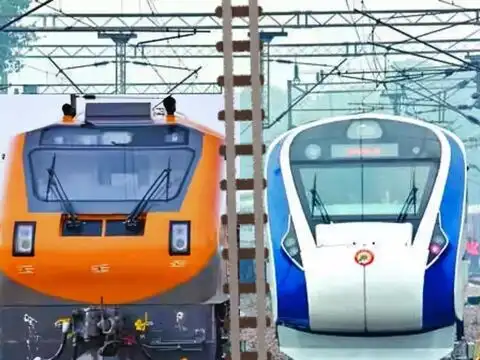
Vande Bharat vs Amrit Bharat: Two trains, different passenger segments
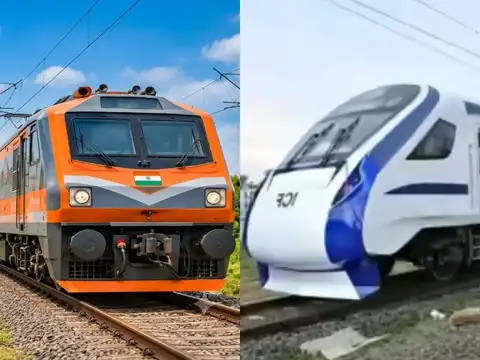
Indian Railways has expanded its modern train network with Vande Bharat and Amrit Bharat trains, but the two are designed for different passenger needs. Vande Bharat is positioned as a modern semi-high-speed train focused on air-conditioned and premium travel, while Amrit Bharat was introduced as a more affordable option for long-distance passengers, particularly those travelling in General and Sleeper Class. As of July 2026, Indian Railways had 162 Vande Bharat Chair Car services, two Vande Bharat Sleeper services and 72 Amrit Bharat services.
2/6
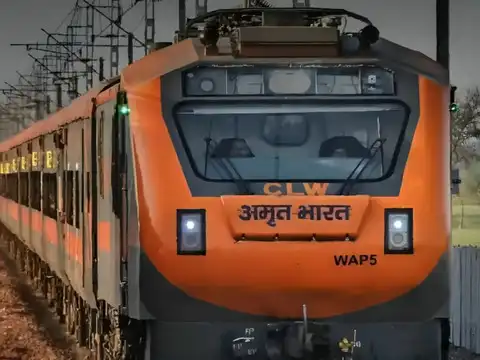
Vande Bharat vs Amrit Bharat coaches: AC vs non-AC
The biggest difference lies in their accommodation. Vande Bharat Chair Car services offer AC Chair Car and Executive Chair Car seating, while the newer Vande Bharat Sleeper trains provide fully air-conditioned sleeper accommodation. The first regular Vande Bharat Sleeper service, between Howrah and Kamakhya, began operations on January 22, 2026. Amrit Bharat, meanwhile, is a fully non-AC train with a standard composition of 11 General Class coaches, eight Sleeper Class coaches, one Pantry Car and two Luggage-cum-Divyangjan coaches.
3/6
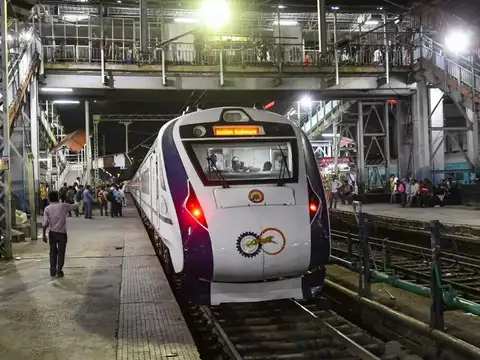
Vande Bharat vs Amrit Bharat speed: Which train is faster?
Vande Bharat has a design speed of 180 kmph and an operating speed of up to 160 kmph, depending on the route and available railway infrastructure. The Vande Bharat Sleeper variant follows the same speed specification. However, trains do not necessarily run at 160 kmph throughout a journey, as actual speeds depend on tracks, signalling, curves, traffic and other operational factors. Amrit Bharat is also designed to provide faster long-distance travel than conventional trains, but it does not have the same 160 kmph operating specification as Vande Bharat.
Amazon Top Deals
POWERED BY
4/6
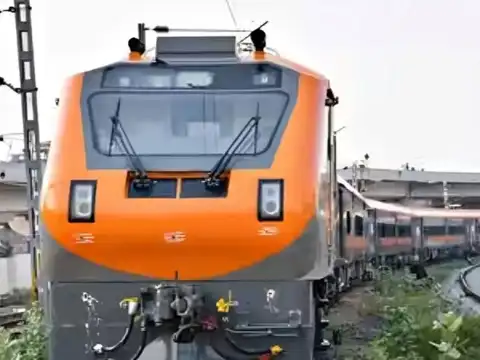
Vande Bharat vs Amrit Bharat fare: Which is cheaper?
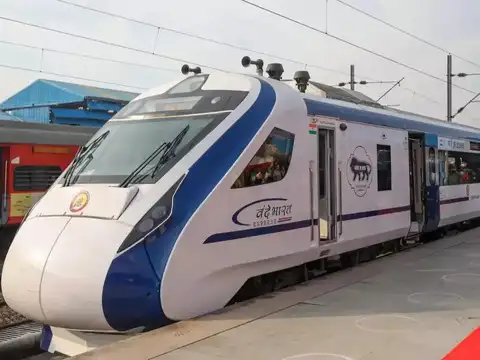
The fare for both trains varies according to distance, class, route and applicable charges. Amrit Bharat has separate fare structures for Second Class and Sleeper Class. For example, the Railway Ministry's published fare table shows a basic fare of Rs 324 for Second Class and Rs 538 for Sleeper Class for journeys of 991–1,000 km, before additional charges. For Vande Bharat Sleeper, the Railway Ministry said in March 2026 that the basic 3AC fare was calculated at Rs 2.40 per passenger-km, excluding GST. A 1,000-km journey would therefore have an indicative basic 3AC fare of Rs 2,400 before applicable charges.
5/6
Vande Bharat vs Amrit Bharat facilities: What do passengers get?
Both trains come with several modern safety and passenger amenities, although their configurations are different. Vande Bharat features include Kavach, CCTV cameras, automatic plug doors, emergency alarms, talk-back systems and enhanced fire-safety arrangements. Amrit Bharat trains come with CCTV cameras, improved toilets, LED lighting, charging sockets, USB Type-A and Type-C ports, emergency talk-back systems and aerosol-based fire suppression systems.
6/6
Vande Bharat or Amrit Bharat: Which one should you choose?
There is no single winner as the two trains target different passenger requirements. Vande Bharat is better suited to travellers who want air-conditioned accommodation, premium seating or sleeper travel with faster acceleration. Amrit Bharat is aimed at passengers who prioritise lower fares and want access to General and non-AC Sleeper Class accommodation. Together, the two train categories allow Indian Railways to offer modern services across different price points and travel requirements.