'Travelators' to bridge distance at interchange metro stations
The 58-km-long Line 7 (Pink Line) would connect Mukundpur to Shiv Vihar with 38 intervening stations.
By PTI | Updated:
NEW DELHI: Platform hopping is set to become easier at key interchange stations of Delhi Metro's upcoming Phase-III network with the introduction of travelators.
A total of 58 travelators, which is akin to a automated or moving walkway, are being installed at Dhaula Kuan and the upcoming Rajouri Garden and Punjabi Bagh stations on Line 7.
The 58-km-long Line 7 (Pink Line) would connect Mukundpur to Shiv Vihar with 38 intervening stations.
Although DMRC is constructing foot over-bridges (FOB) at all 11 interchange stations of the corridor, travelators are being constructed at places where a commuter has to travel more than 300 metres.
"For example the distance between the existing Dhaula Kuan station and the upcoming one that would provide connectivity to the South Campus station would be 920 metres which is close to 1 km," a metro official said.
The 7-metre-wide FOB would have a total of 26 travelators in this station.
Similarly, the distance between the Rajouri Garden station in Blue Line and the upcoming one in Pink Line is 310 metres. Here, the FOB would have a total of 10 travelators.
The 900-metre-long distance between the upcoming Punjabi Bagh (West) station and the existing Shivaji Park Metro station (Green Line) would also be bridged by 22 travelators.
The other stations which would also be having FOBs, minus travelators, in this corridor are Azadpur, Netaji Subhash Place, Mayur Vihar Phase 1, Welcome, Lajpat Nagar, Karkarduma and Kalkaji.
A total of 58 travelators, which is akin to a automated or moving walkway, are being installed at Dhaula Kuan and the upcoming Rajouri Garden and Punjabi Bagh stations on Line 7.
The 58-km-long Line 7 (Pink Line) would connect Mukundpur to Shiv Vihar with 38 intervening stations.
Although DMRC is constructing foot over-bridges (FOB) at all 11 interchange stations of the corridor, travelators are being constructed at places where a commuter has to travel more than 300 metres.
"For example the distance between the existing Dhaula Kuan station and the upcoming one that would provide connectivity to the South Campus station would be 920 metres which is close to 1 km," a metro official said.
The 7-metre-wide FOB would have a total of 26 travelators in this station.
ADVERTISEMENT
Similarly, the distance between the Rajouri Garden station in Blue Line and the upcoming one in Pink Line is 310 metres. Here, the FOB would have a total of 10 travelators.
The 900-metre-long distance between the upcoming Punjabi Bagh (West) station and the existing Shivaji Park Metro station (Green Line) would also be bridged by 22 travelators.
The other stations which would also be having FOBs, minus travelators, in this corridor are Azadpur, Netaji Subhash Place, Mayur Vihar Phase 1, Welcome, Lajpat Nagar, Karkarduma and Kalkaji.
Start a SIP with as low as ₹500 with ET Money App!
Download
The Economic Times News App for Quarterly Results, Latest News in ITR, Business, Share Market, Live Sensex News & More.
The Economic Times News App for Quarterly Results, Latest News in ITR, Business, Share Market, Live Sensex News & More.
Text: TNN
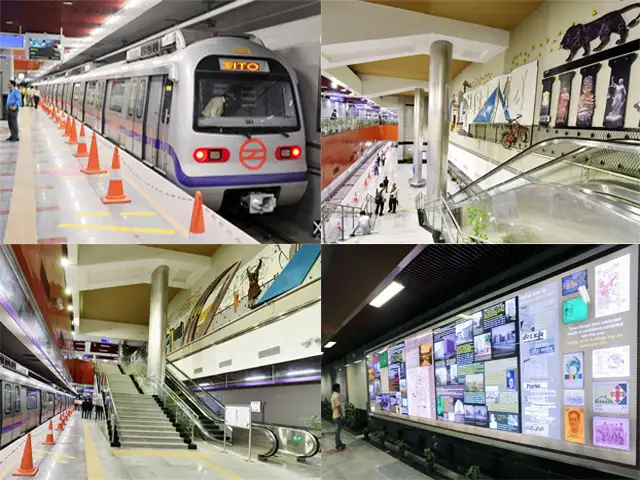
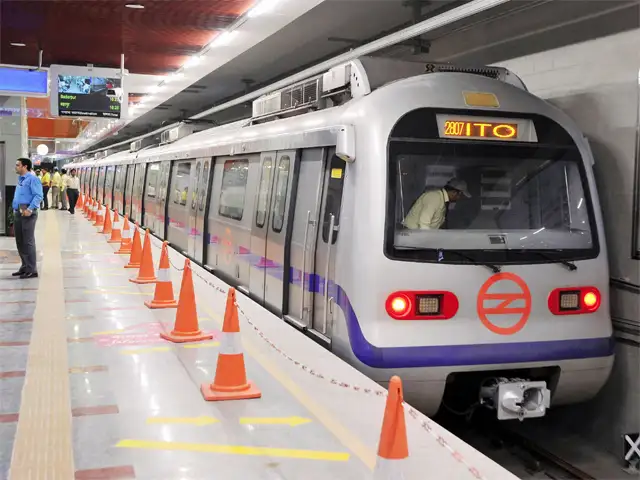
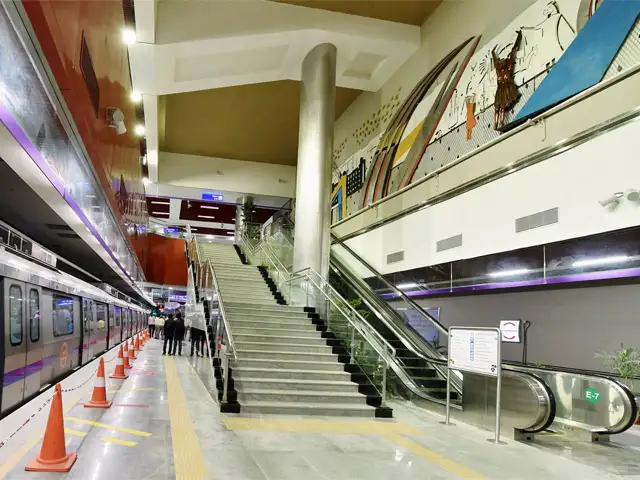
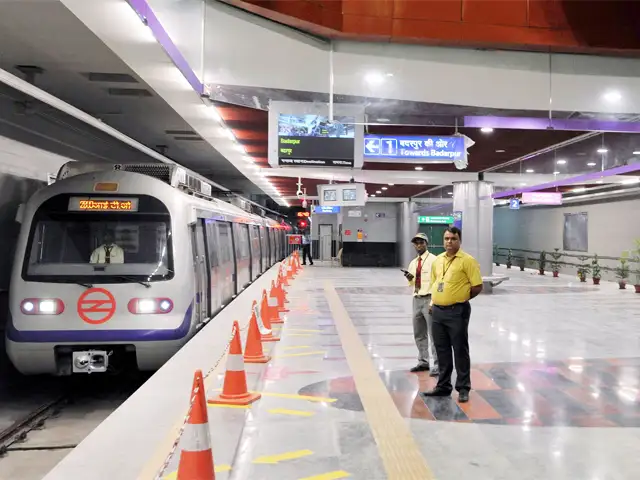
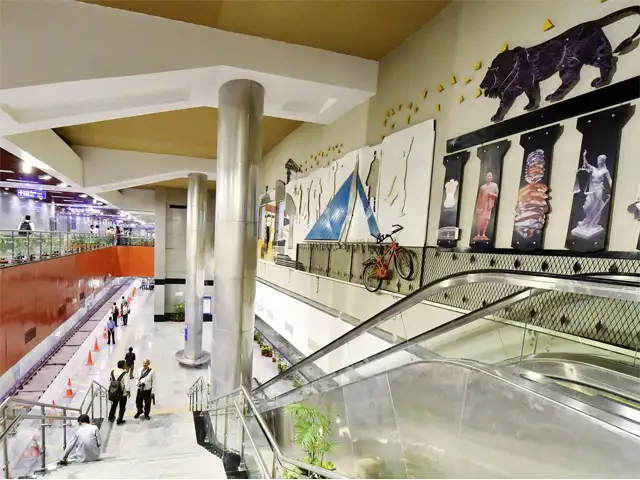
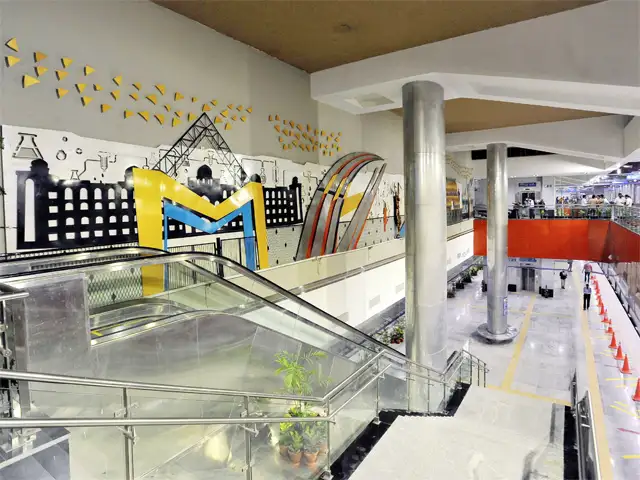
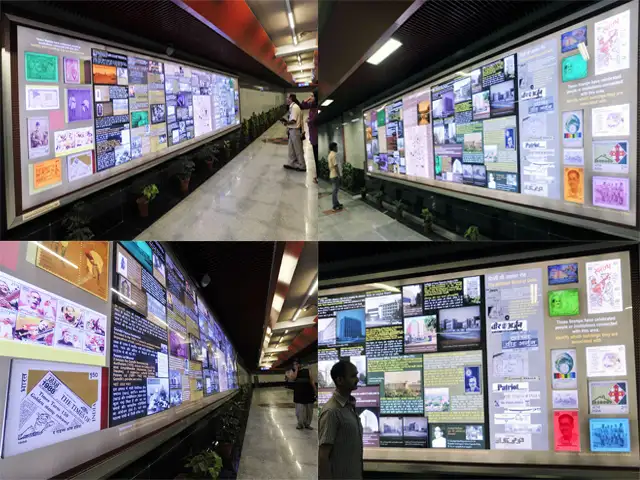
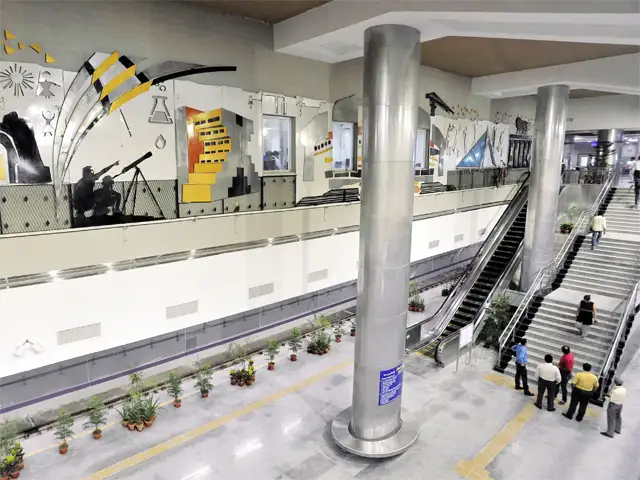
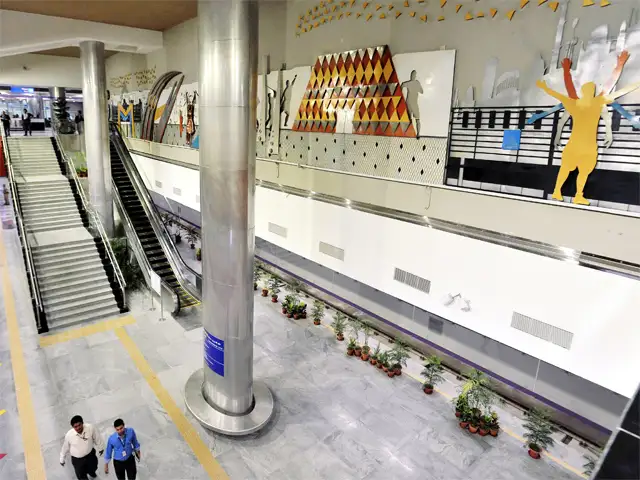
The much-awaited ITO Metro station is finally ready. DMRC expects to open the ITO-Mandi House section at the earliest even as it awaits the nod from the commissioner of Metro rail safety (CMRS) for the same.
The much-awaited ITO Metro station is finally ready. DMRC expects to open the ITO-Mandi House section at the earliest even as it awaits the nod from the commissioner of Metro rail safety (CMRS) for the same.

ADVERTISEMENT


