This bullet train runs under the sea at 320 kmph: How Hayabusa Shinkansen makes it possible
Japan’s Hayabusa Shinkansen can reach speeds of up to 320 kmph while travelling through the Seikan Tunnel, one of the world’s longest undersea railway tunnels. Connecting Honshu with Hokkaido, the 53.85-km tunnel has 23.3 km of track beneath the s...
By ET Online |
Japan’s bullet trains are known for combining speed with precision, but the Hayabusa Shinkansen offers passengers something extra, a journey through one of the world’s longest undersea railway tunnels. The E5 Series train connects Japan’s main island of Honshu with Hokkaido and can reach speeds of up to 320 kmph. An Indian content creator recently travelled on the train and shared glimpses of the unusual journey.

Hayabusa Shinkansen runs through an undersea tunnel
The Hayabusa service operates between Tokyo and Hokkaido, with the route passing through the Seikan Tunnel. Stretching 53.85 km in total, the tunnel has around 23.3 km running beneath the sea and connects Aomori Prefecture on Honshu with Hokkaido.
The tunnel was opened in 1988 and was built to withstand the challenging weather and geological conditions faced by Japan. At its deepest point, the railway runs hundreds of feet below sea level, making the journey particularly striking for passengers.
Indian traveller shares experience of 320 kmph train ride
Sharing his experience on Instagram, the content creator said he was travelling from Tokyo to Hokkaido on the Hayabusa and would pass through the underwater tunnel.
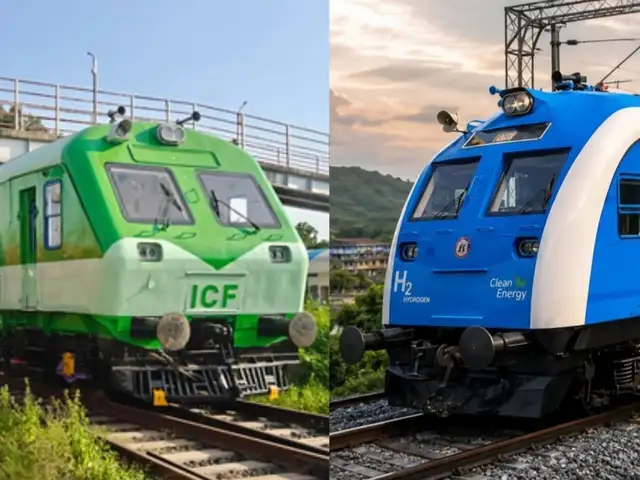
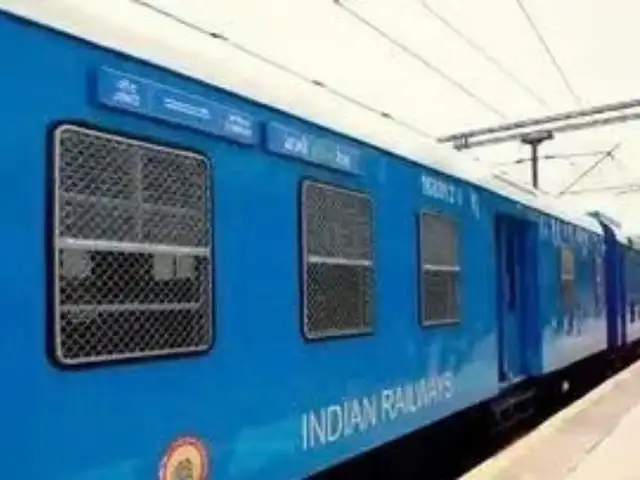
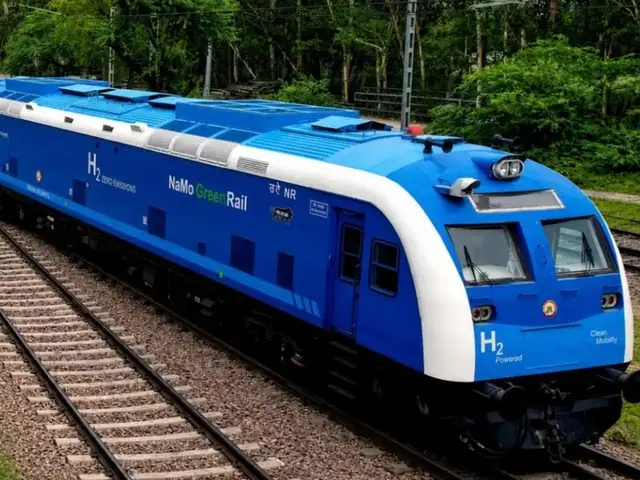
India’s first indigenous hydrogen-powered train could soon be extended to Delhi after seeing limited passenger traffic on its existing 89-km Jind-Sonipat route in Haryana. The train, which began operations on July 17, has a capacity of around 2,600 passengers, but only about 40-60 passengers reportedly travel on the full route, according to officials cited by PTI.
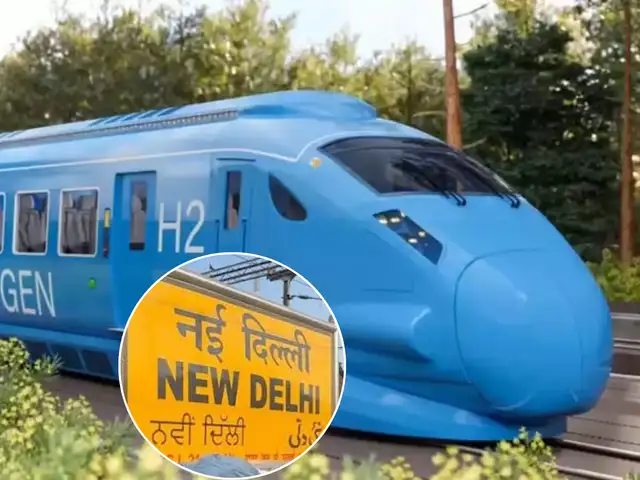
India’s first indigenous hydrogen-powered train could soon be extended to Delhi after seeing limited passenger traffic on its existing 89-km Jind-Sonipat route in Haryana. The train, which began oper..
Read More
Indian Railways is considering extending the hydrogen train to Azadpur station in Delhi, located close to the city’s wholesale fruits and vegetables market. Railway officials said the train has completed two months of successful operations as a technology demonstrator, while teams are working on the requirements for extending its service towards Delhi.
Indian Railways is considering extending the hydrogen train to Azadpur station in Delhi, located close to the city’s wholesale fruits and vegetables market. Railway officials said the train has compl..
Read More
The low ridership appears to be linked more to the route than the train itself. The hydrogen service replaced a DEMU train that also had limited passenger traffic. Railway staff said there are few office commuters or industrial workers travelling between Jind and Sonipat, while three other DEMU services on the route also reportedly see low footfall. Local passengers have therefore suggested extending the train towards Delhi to make better use of the service.
The low ridership appears to be linked more to the route than the train itself. The hydrogen service replaced a DEMU train that also had limited passenger traffic. Railway staff said there are few of..
Read More
Fuel range is not expected to be the biggest hurdle. Officials said the train can cover around 250-300 km on a full tank, while the distance between Jind and Delhi is about 130 km. At present, however, the train can be refuelled only at Jind. Capacity could be a bigger challenge, as the 10-coach hydrogen train can carry around 2,600 passengers, while trains serving Delhi often require 18-20 coaches because of high commuter demand and track capacity constraints.
Fuel range is not expected to be the biggest hurdle. Officials said the train can cover around 250-300 km on a full tank, while the distance between Jind and Delhi is about 130 km. At present, howeve..
Read More
If extending the hydrogen train to Delhi proves difficult, local passengers have suggested changing its route within Haryana. One proposal is to run the train from Jind to Sonipat, then towards Panipat and Safidon before returning to Jind. The proposed circuit would cover around 180 km and could serve more commuters, particularly because Panipat is an important industrial area.
If extending the hydrogen train to Delhi proves difficult, local passengers have suggested changing its route within Haryana. One proposal is to run the train from Jind to Sonipat, then towards Panip..
Read More
The train’s launch in July marked an important step in Indian Railways’ efforts to explore hydrogen-powered transportation. Railway officials have described it as a pilot project and said experts are closely monitoring its operation and trial runs towards Delhi. Since the technology is new and passenger safety remains a priority, the final decision on extending the hydrogen train service to Delhi will be taken after further assessment.
The train’s launch in July marked an important step in Indian Railways’ efforts to explore hydrogen-powered transportation. Railway officials have described it as a pilot project and said experts are..
He described the engineering behind the tunnel as remarkable, while highlighting the speed of the train and the distance covered during the journey. According to his account, the journey covers around 900 km and takes roughly four hours.
What is inside Japan’s Hayabusa bullet train?
Speed is not the only focus of the Hayabusa. The train is designed to make long-distance travel comfortable, with passengers getting generous legroom, reclining seats, tray tables and luggage space.
ADVERTISEMENT
LNG vs Hydrogen train: India now has both alternative-fuel trains; what’s different in technology, fuel consumption, range and emissions
1/7
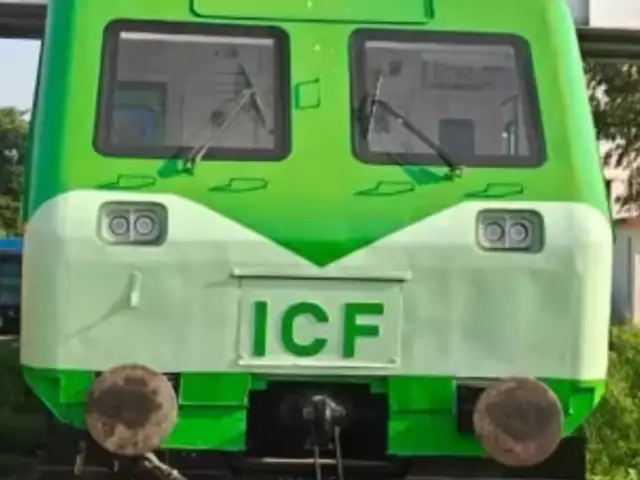
Indian Railways has introduced the country's first LNG-diesel dual-fuel DEMU train, adding another alternative-fuel technology to its railway network after the launch of its first hydrogen train earlier this year. The LNG-powered train was launched from Sabarmati in Gujarat on September 27, 2026, and is designed to run on both liquefied natural gas (LNG) and diesel.
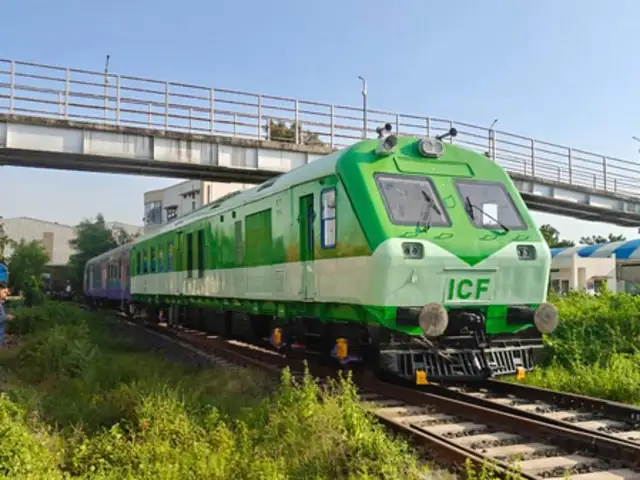
Indian Railways has introduced the country's first LNG-diesel dual-fuel DEMU train, adding another alternative-fuel technology to its railway network after the launch of its first hydrogen train earl..
Read More
The new train uses a dual-fuel system, allowing its engine to operate on LNG as well as diesel. Unlike an LNG-only train, it can switch between the two fuels depending on operational requirements and fuel availability. Indian Railways has converted two 1,400 HP Driving Power Cars (DPCs) at the Sabarmati Integrated Coaching Depot for the project. The system is designed to replace around 40% of diesel consumption with LNG, helping reduce fuel use and emissions.
The new train uses a dual-fuel system, allowing its engine to operate on LNG as well as diesel. Unlike an LNG-only train, it can switch between the two fuels depending on operational requirements and..
Read More
The first LNG-diesel dual-fuel DEMU began its inaugural run between Sabarmati and Mahesana Junction. The train has eight coaches and features non-AC chair car seating. Indian Railways has already completed more than 2,000 km of field trials on the converted Driving Power Cars (DPCs) to assess the performance and reliability of the dual-fuel technology. Further details about the train’s regular route and operations are expected to be announced soon.
The first LNG-diesel dual-fuel DEMU began its inaugural run between Sabarmati and Mahesana Junction. The train has eight coaches and features non-AC chair car seating. Indian Railways has already com..
Read More
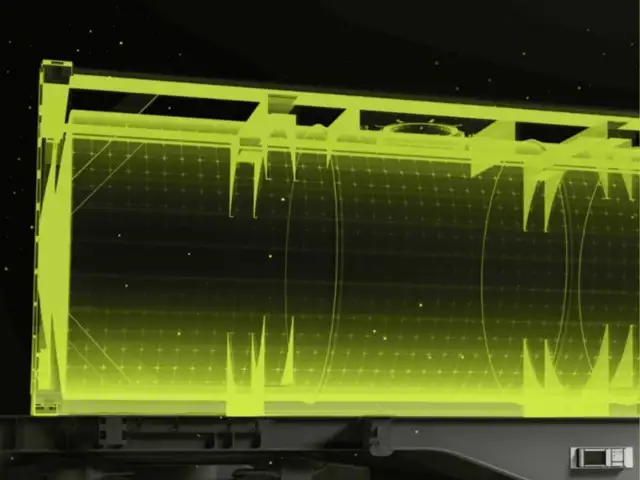
Each Driving Power Car has an LNG tank with a capacity of around 2,200 litres, holding approximately 950-1,000 kg of usable LNG. According to project estimates, one DPC can cover around 444 km on a full LNG load. The system has been designed to maintain the required power and operational reliability while using LNG alongside diesel.
Each Driving Power Car has an LNG tank with a capacity of around 2,200 litres, holding approximately 950-1,000 kg of usable LNG. According to project estimates, one DPC can cover around 444 km on a f..
Read More
The LNG system is expected to help Indian Railways reduce fuel costs and emissions, including CO2, nitrogen oxides (NOx) and particulate matter. Trial-based estimates suggest that one DPC could save around Rs 11.9 lakh annually, while an eight-coach rake could save around Rs 23.9 lakh per year. The project is part of efforts to explore alternative fuels and reduce dependence on conventional diesel in railway operations.
The LNG system is expected to help Indian Railways reduce fuel costs and emissions, including CO2, nitrogen oxides (NOx) and particulate matter. Trial-based estimates suggest that one DPC could save ..
Read More
Before the LNG train, Indian Railways launched the country's first hydrogen-powered train between Jind and Sonipat on July 17, 2026. According to the Ministry of Railways, the train had covered more than 1,200 km by July 25 and saved over 3,200 litres of diesel. The hydrogen train uses a fuel-cell system in which hydrogen and oxygen generate electricity onboard, with water vapour as the direct by-product. It has 10 coaches, including two Hydrogen Driving Power Cars, and a total power output of 2,400 kW.
Before the LNG train, Indian Railways launched the country's first hydrogen-powered train between Jind and Sonipat on July 17, 2026. According to the Ministry of Railways, the train had covered more ..
Read More
While both projects aim to introduce alternative fuels into railway operations, their technologies are different. The hydrogen train uses fuel cells to generate electricity from hydrogen and oxygen, whereas the LNG train uses an internal-combustion engine converted to a dual-fuel LNG-diesel system. The hydrogen train therefore represents a fuel-cell-based propulsion system, while the LNG train continues to use diesel alongside LNG, with LNG currently replacing around 40% of diesel consumption in the system.
While both projects aim to introduce alternative fuels into railway operations, their technologies are different. The hydrogen train uses fuel cells to generate electricity from hydrogen and oxygen, ..
The seats also feature adjustable headrests and charging points, allowing passengers to use electronic devices during the journey.
East Japan Railway Company’s focus on speed and safety
According to the East Japan Railway Company (JR East), the E5 Series Shinkansen was developed with a focus on speed, safety, passenger comfort and the use of advanced technology.
The E5 Series began operating at speeds of up to 320 kmph in 2013, making it one of Japan’s fastest Shinkansen train series.
Accessibility and safety features on board
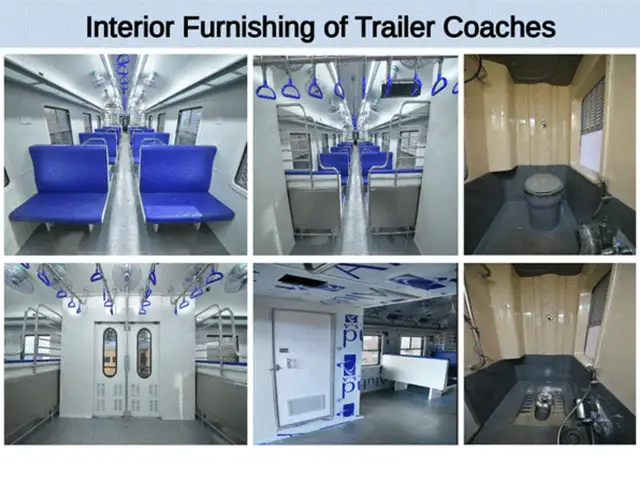
The train has facilities designed to make the journey easier for different categories of passengers. Its coaches include spacious restrooms, including facilities that can accommodate passengers with disabilities.
ADVERTISEMENT
There are also women-only restrooms and powder rooms. Security cameras are installed inside the train and around the ends of the coaches as part of the train’s safety measures.
For passengers, the Hayabusa journey is therefore more than simply travelling at 320 kmph. It combines high-speed rail with a section of the route that takes the train deep beneath the sea, a rather unusual experience even by Japan’s famous bullet train standards.