Technocrats should lead Bengaluru Metro project: E Sreedharan
Sreedharan pointed out that the DMRC had also submitted a report on a high-speed metro rail from Majestic Metro Station to the Kempegowda International airport.
By ET Bureau | Updated:
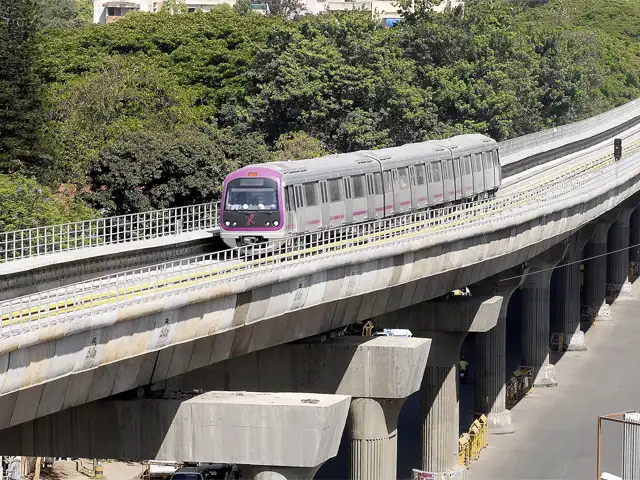
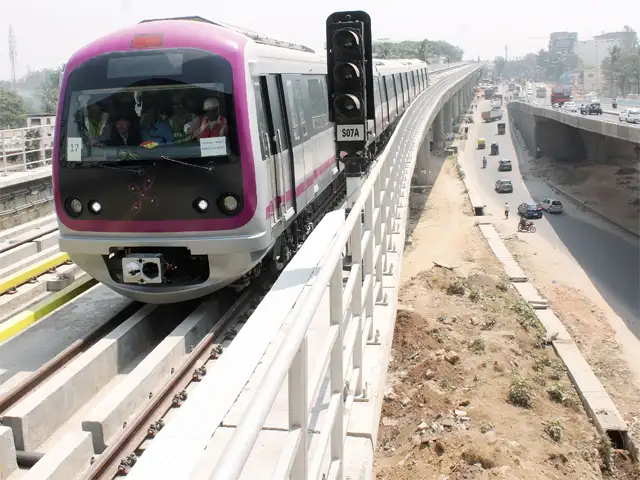
BENGALURU: The Bengaluru Metro project is delayed because it is led by bureaucrats and not technocrats, principal advisor to the Delhi Metro Rail Corporation (DMRC), E Sreedharan -better known as the Metro Man of India -has said.
“Many technocrats were sent back midway. The BMRCL has had five managing directors in nine years.This is a drawback, because one person holding the top post for a continued period would be accountable. I was the chief of Delhi metro or 14 years, which helped us complete the project ahead of schedule,“ Sreedharan told a press confererence in Bengaluru on Tuesday. He pointed out that the cost of Namma Metro has shot up by 60%.
In a scathing remark, Sreedharan said DMRC extended assistance to the BMRCL for four years, before he latter started ignoring suggestions, including a detailed project report on how to go about underground tunneling at Majestic.
“They wanted to reject our report.Later, BMRCL stopped asking for any assistance, perhaps due to ego issues of bureaucrats,“ he said.

Unhappy over Chief Minister Siddaramaiah not responding to his two letters one in 2013 and another one in February this year about starting a 200 kmhr high-speed railway line between Mysuru and Bengaluru, Sreedharan said the state Government is misguid ing people saying that such a project needs lots of money. The project cost will be Rs 10,000 crore and if the government bears Rs 1,000 crore, the Indian Railways would bear an equal amount while the remaining Rs 8,000 crore can be funded by foreign agencies at 0.03% interest, he said. If gov ernment approves it now, the project would be ready in the next seven years. The project would prevent road accidents, save lives, bring down pol lution while reducing travel time, he said.
Sreedharan pointed out that the DMRC had also submitted a report on a high-speed metro rail from Majestic Metro Station to the Kempegowda International airport.
The project, which was scrapped by the State government, could have brought down travel time be tween the two points to eight minutes, he said.
“Many technocrats were sent back midway. The BMRCL has had five managing directors in nine years.This is a drawback, because one person holding the top post for a continued period would be accountable. I was the chief of Delhi metro or 14 years, which helped us complete the project ahead of schedule,“ Sreedharan told a press confererence in Bengaluru on Tuesday. He pointed out that the cost of Namma Metro has shot up by 60%.
In a scathing remark, Sreedharan said DMRC extended assistance to the BMRCL for four years, before he latter started ignoring suggestions, including a detailed project report on how to go about underground tunneling at Majestic.
“They wanted to reject our report.Later, BMRCL stopped asking for any assistance, perhaps due to ego issues of bureaucrats,“ he said.
Unhappy over Chief Minister Siddaramaiah not responding to his two letters one in 2013 and another one in February this year about starting a 200 kmhr high-speed railway line between Mysuru and Bengaluru, Sreedharan said the state Government is misguid ing people saying that such a project needs lots of money. The project cost will be Rs 10,000 crore and if the government bears Rs 1,000 crore, the Indian Railways would bear an equal amount while the remaining Rs 8,000 crore can be funded by foreign agencies at 0.03% interest, he said. If gov ernment approves it now, the project would be ready in the next seven years. The project would prevent road accidents, save lives, bring down pol lution while reducing travel time, he said.
Sreedharan pointed out that the DMRC had also submitted a report on a high-speed metro rail from Majestic Metro Station to the Kempegowda International airport.
ADVERTISEMENT
The project, which was scrapped by the State government, could have brought down travel time be tween the two points to eight minutes, he said.
Start a SIP with as low as ₹500 with ET Money App!
Download
The Economic Times News App for Quarterly Results, Latest News in ITR, Business, Share Market, Live Sensex News & More.
The Economic Times News App for Quarterly Results, Latest News in ITR, Business, Share Market, Live Sensex News & More.
Related Articles
 Citizens, experts oppose Thane Ring Metro project, cite planning flaws2026-05-31T05:18:06Z
- DMRC expands global outreach, forms international arm to pursue overseas metro projects2026-05-24T14:23:24Z
- DMRC appoints Sanjay Jamuar as first CEO for global arm DMIL; aims to scale overseas metro projects2026-04-26T08:46:32Z
Umesh R Yadav & Shilpa Elizabeth, ET Bureau
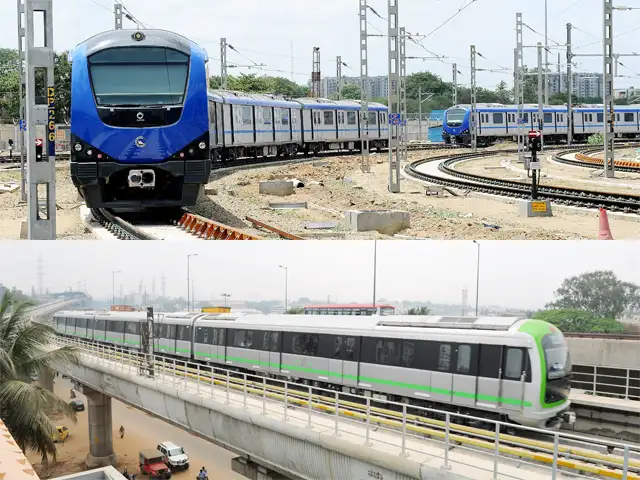
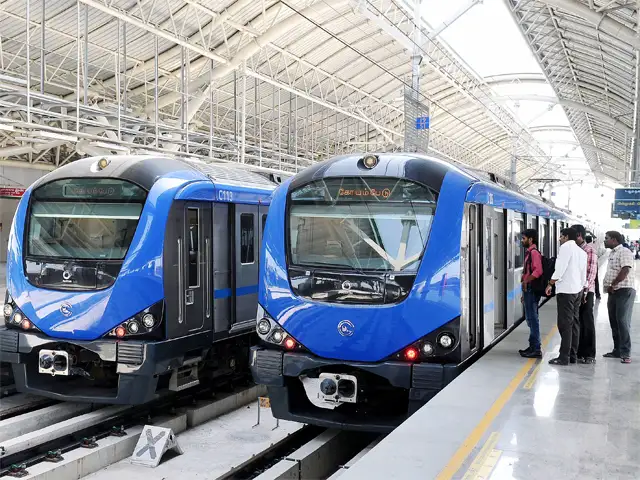
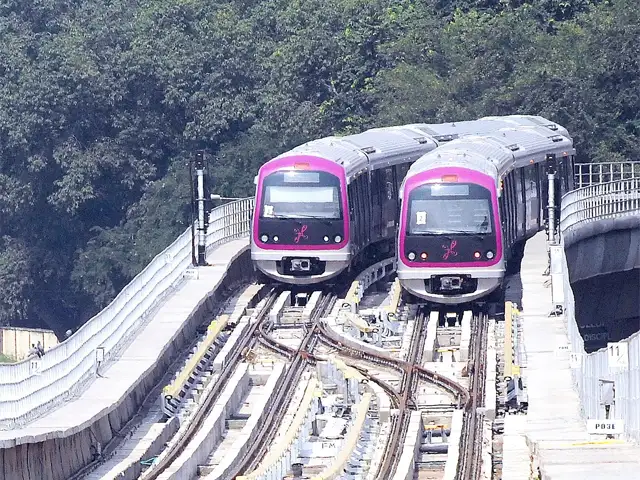
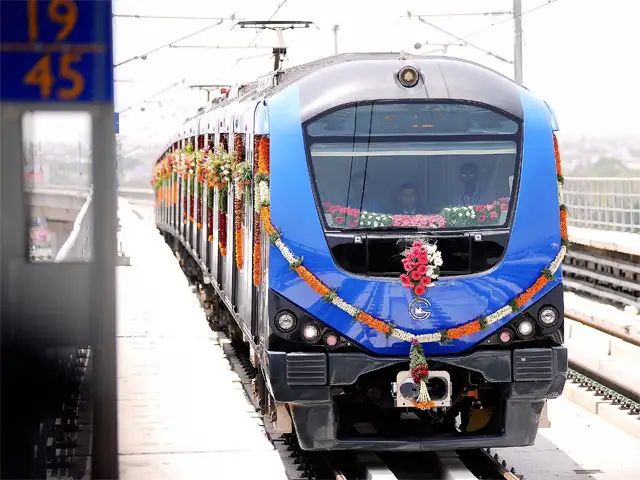
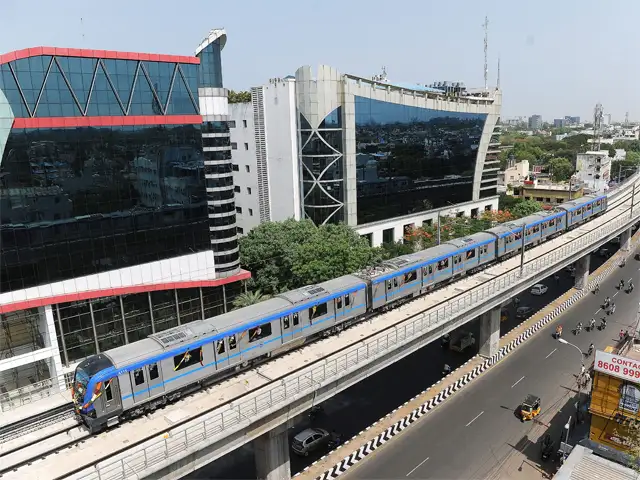
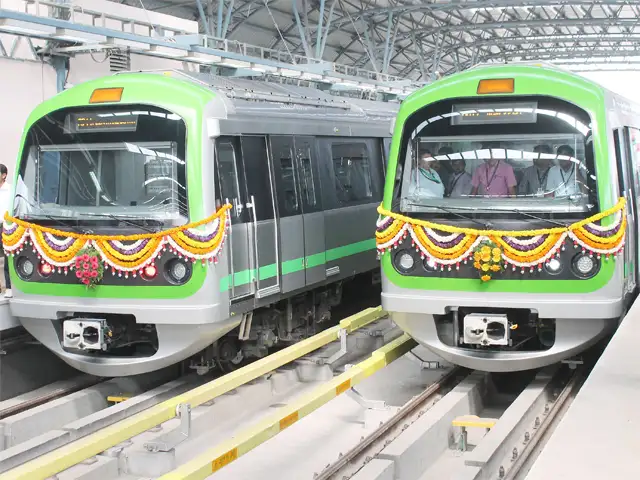
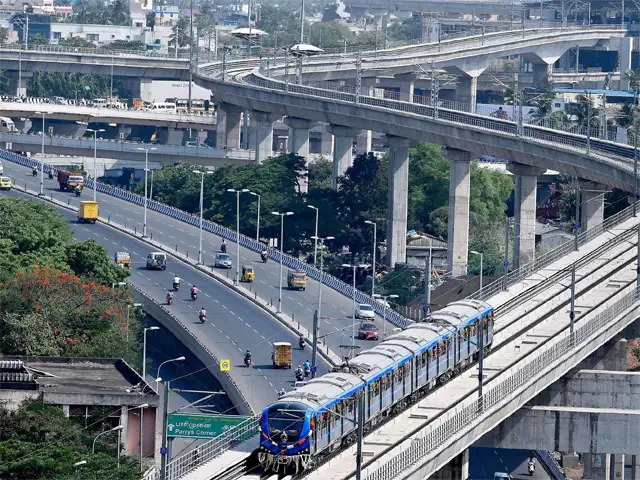
If speed of construction, connectivity to other transport hubs and non-disruption of existing road infrastructure are the parameters on which one would judge the Metro rail projects, Chennai - where Metro operations began recently on a 10-km stretch - may have outdone Namma Metro of Bengaluru.
Although the latter had a head-start over Chennai, it is bogged down by time and cost-overruns. Chennai appears to have learnt some right lessons from Bengaluru's follies...
If speed of construction, connectivity to other transport hubs and non-disruption of existing road infrastructure are the parameters on which one would judge the Metro rail projects, Chennai - where Metro operations began recently on a 10-km stretch - may have outdone Namma Metro of Bengaluru.
Although the latter had a head-start over Chennai, it is bogged down by time and cost-overruns. Chennai appears to have learnt some right lessons from Bengaluru's follies...

ADVERTISEMENT


