
Shatabdi engine wheels slip on wet rails; emergency brakes were applied to avoid hitting cattle on track; Railways replaces engine after it suffers heavy damge
1/7
What Happened
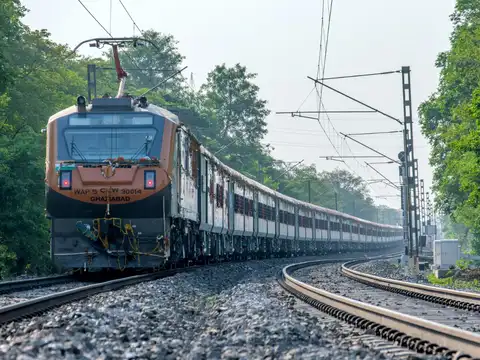
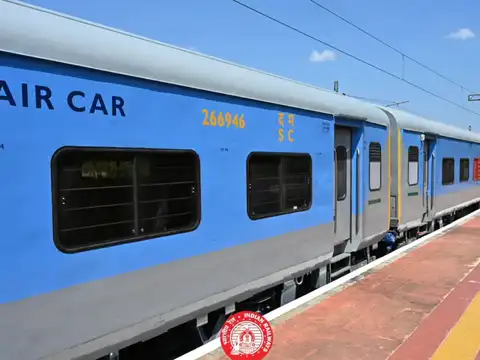
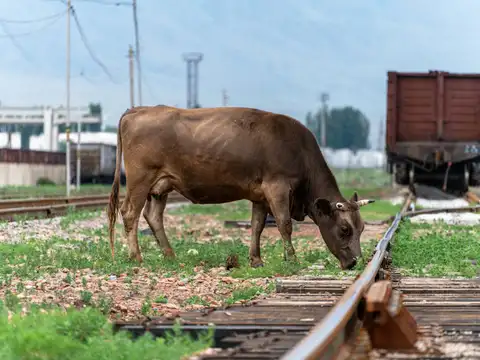
On July 13, the New Delhi-Chandigarh Shatabdi Express was running between Rathdhana and Sonipat in the Northern Railway zone. Loco pilot spotted cattle on the track and hit the emergency brakes. Train’s wheels then skidded on wet rails, damaging the locomotive and producing an abnormal sound in its frame.
2/7
Train Was Running Two Engines Together
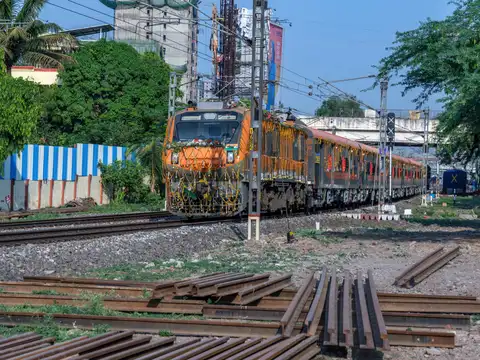
Shatabdi was operating with two WAP-5 locomotives coupled together as a multiple unit. This setup is used for high-speed passenger trains. The skid happened when emergency brakes were applied on wet rails, putting extreme stress on the wheels of both locomotives at high speed.
3/7
Damaged Engine Had To Be Replaced
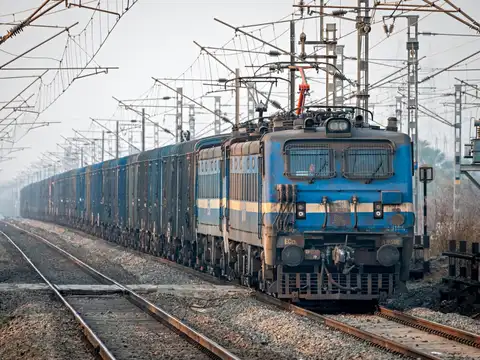
After the skid, the WAP-5 locomotive suffered significant damage. An abnormal sound was also detected in its frame. Railways had no choice but to replace the engine before the train could continue. The extent of the damage flagged the incident as serious enough to warrant a formal investigation.
4/7
Railway Board Stepped In
The Railway Board discussed the incident at a meeting on July 22. It then issued a written direction to the Research Designs and Standards Organisation, or RDSO, which is the technical research arm of Indian Railways. The board asked RDSO to study the case and take corrective action.
5/7
What RDSO Has Been Asked To Do
Railway Board’s letter to RDSO was specific. The organisation has been asked to find the cause of the skid, recommend corrective measures, and issue necessary guidelines or instructions to all railway units concerned. The aim is to make sure this kind of incident does not happen again.
6/7
Why This Incident Was Unusual
Railway officials noted that loco skidding usually happens in ghat sections where tracks have steep gradients. An incident like this on a flat stretch between Rathdhana and Sonipat was considered out of the ordinary. That is one reason the board decided a thorough probe was necessary rather than treating it as a routine matter.
7/7
Cattle On Tracks Remain A Bigger Problem
The Railway Board has also asked Northern Railway to check the status of fencing along the tracks in the area to find out how cattle got onto the rails. Several railway zones have already been asked to identify vulnerable sections and fence them. Cattle-related incidents continue to be a significant safety concern for Indian Railways. (Inputs from Agencies)