Repeated hospital trips, costly AC travel: Supreme Court pushes for railway concessions for acid attack survivors
Supreme Court has asked the Department of Empowerment of Persons with Disabilities to participate in framing a policy for railway travel concessions for acid attack survivors who need frequent trips to specialised hospitals. The Centre has agreed ...
By ET Online | Updated:
The Supreme Court on Wednesday asked the Department of Empowerment of Persons with Disabilities (DEPwD) to actively participate in framing a policy for railway travel concessions for acid attack survivors who need to travel to specialised hospitals for treatment.
A bench comprising Chief Justice of India Surya Kant and Justices Joymalya Bagchi and V Mohana took note of the Centre's submission that a draft policy had been prepared after consultations with stakeholders, including petitioner NGO Atijeevan Society. The court said the department under the Ministry of Social Justice and Empowerment should also be involved before the policy is finalised.
The matter was then posted for further consideration.
LNG vs Hydrogen train: India now has both alternative-fuel trains; what’s different in technology, fuel consumption, range and emissions
1/7
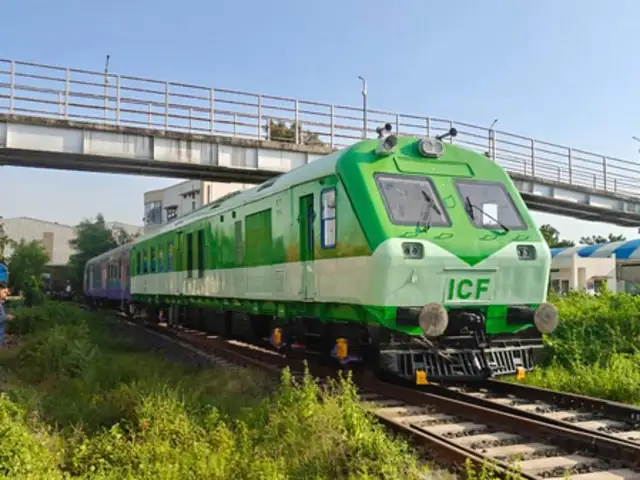
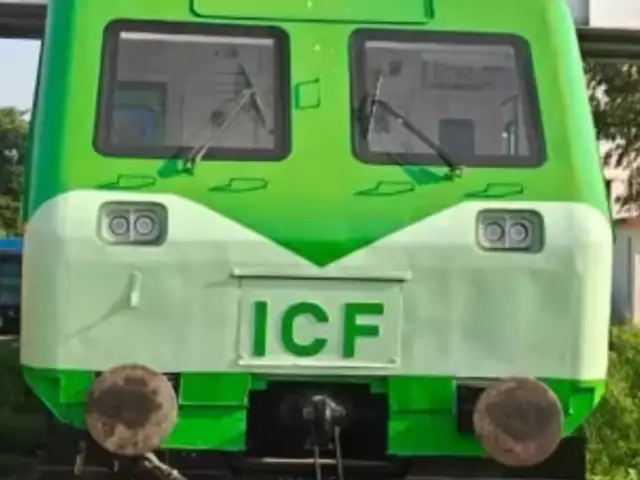
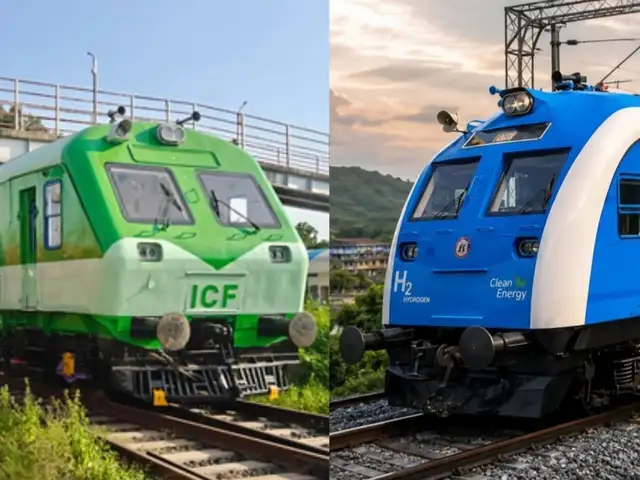
Indian Railways has introduced the country's first LNG-diesel dual-fuel DEMU train, adding another alternative-fuel technology to its railway network after the launch of its first hydrogen train earlier this year. The LNG-powered train was launched from Sabarmati in Gujarat on September 27, 2026, and is designed to run on both liquefied natural gas (LNG) and diesel.
Indian Railways has introduced the country's first LNG-diesel dual-fuel DEMU train, adding another alternative-fuel technology to its railway network after the launch of its first hydrogen train earl..
Read More
The new train uses a dual-fuel system, allowing its engine to operate on LNG as well as diesel. Unlike an LNG-only train, it can switch between the two fuels depending on operational requirements and fuel availability. Indian Railways has converted two 1,400 HP Driving Power Cars (DPCs) at the Sabarmati Integrated Coaching Depot for the project. The system is designed to replace around 40% of diesel consumption with LNG, helping reduce fuel use and emissions.
The new train uses a dual-fuel system, allowing its engine to operate on LNG as well as diesel. Unlike an LNG-only train, it can switch between the two fuels depending on operational requirements and..
Read More
The first LNG-diesel dual-fuel DEMU began its inaugural run between Sabarmati and Mahesana Junction. The train has eight coaches and features non-AC chair car seating. Indian Railways has already completed more than 2,000 km of field trials on the converted Driving Power Cars (DPCs) to assess the performance and reliability of the dual-fuel technology. Further details about the train’s regular route and operations are expected to be announced soon.
The first LNG-diesel dual-fuel DEMU began its inaugural run between Sabarmati and Mahesana Junction. The train has eight coaches and features non-AC chair car seating. Indian Railways has already com..
Read More
Each Driving Power Car has an LNG tank with a capacity of around 2,200 litres, holding approximately 950-1,000 kg of usable LNG. According to project estimates, one DPC can cover around 444 km on a full LNG load. The system has been designed to maintain the required power and operational reliability while using LNG alongside diesel.
Each Driving Power Car has an LNG tank with a capacity of around 2,200 litres, holding approximately 950-1,000 kg of usable LNG. According to project estimates, one DPC can cover around 444 km on a f..
Read More
The LNG system is expected to help Indian Railways reduce fuel costs and emissions, including CO2, nitrogen oxides (NOx) and particulate matter. Trial-based estimates suggest that one DPC could save around Rs 11.9 lakh annually, while an eight-coach rake could save around Rs 23.9 lakh per year. The project is part of efforts to explore alternative fuels and reduce dependence on conventional diesel in railway operations.
The LNG system is expected to help Indian Railways reduce fuel costs and emissions, including CO2, nitrogen oxides (NOx) and particulate matter. Trial-based estimates suggest that one DPC could save ..
Read More
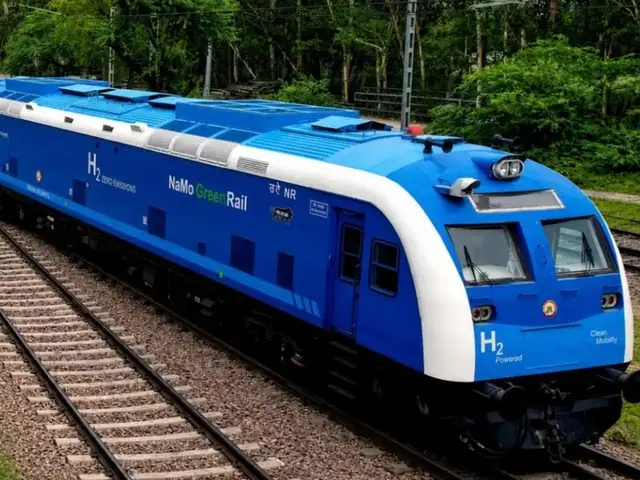
Before the LNG train, Indian Railways launched the country's first hydrogen-powered train between Jind and Sonipat on July 17, 2026. According to the Ministry of Railways, the train had covered more than 1,200 km by July 25 and saved over 3,200 litres of diesel. The hydrogen train uses a fuel-cell system in which hydrogen and oxygen generate electricity onboard, with water vapour as the direct by-product. It has 10 coaches, including two Hydrogen Driving Power Cars, and a total power output of 2,400 kW.
Before the LNG train, Indian Railways launched the country's first hydrogen-powered train between Jind and Sonipat on July 17, 2026. According to the Ministry of Railways, the train had covered more ..
Read More
While both projects aim to introduce alternative fuels into railway operations, their technologies are different. The hydrogen train uses fuel cells to generate electricity from hydrogen and oxygen, whereas the LNG train uses an internal-combustion engine converted to a dual-fuel LNG-diesel system. The hydrogen train therefore represents a fuel-cell-based propulsion system, while the LNG train continues to use diesel alongside LNG, with LNG currently replacing around 40% of diesel consumption in the system.
While both projects aim to introduce alternative fuels into railway operations, their technologies are different. The hydrogen train uses fuel cells to generate electricity from hydrogen and oxygen, ..
Acid attack survivors may get railway travel concession
The Centre had told the Supreme Court on August 13 that it had agreed in principle to formulate a policy providing travel concessions to acid attack survivors.
The court had earlier asked the Ministry of Railways to consider the concessions liberally and directed Additional Solicitor General Archana Pathak Dave to place the draft policy on record within six weeks.
ADVERTISEMENT
The Centre has proposed providing the benefit under the existing 'patient category', rather than creating a separate category for acid attack survivors among persons with disabilities.
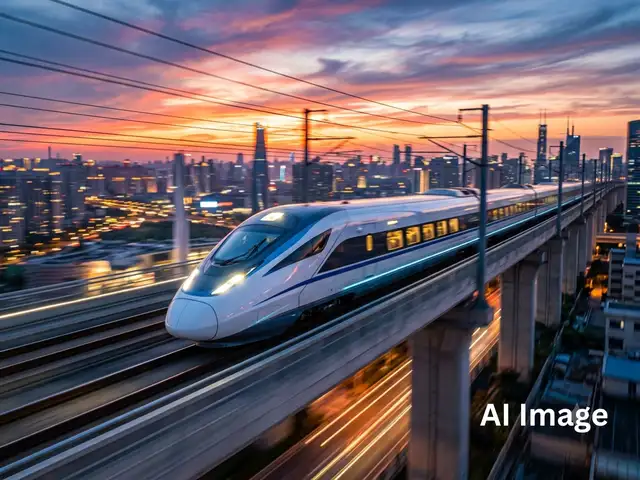
From 6 hours to just 1.5 from Mumbai to Ahmedabad: What passengers need to know about the railway plan that could transform the journey
1/10
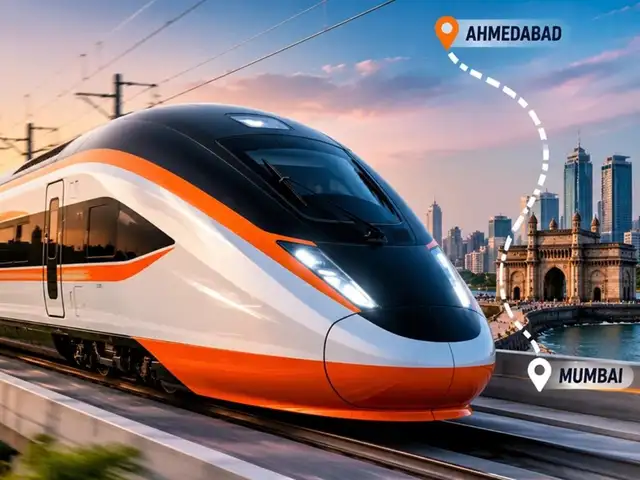
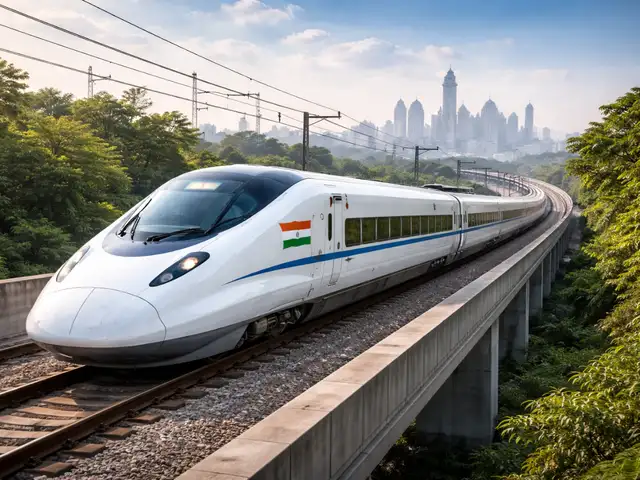
India’s first bullet train project is moving closer to its trial-run stage, with the indigenous high-speed train expected to begin testing on the Mumbai-Ahmedabad corridor in May or June 2027. The project is aimed at cutting travel time between major cities and bringing high-speed rail travel to India for the first time.
India’s first bullet train project is moving closer to its trial-run stage, with the indigenous high-speed train expected to begin testing on the Mumbai-Ahmedabad corridor in May or June 2027. The pr..
Read More
The first indigenous high-speed train is expected to enter trial runs in May or June 2027. The testing will take place on the Mumbai-Ahmedabad High-Speed Rail Corridor, which is being developed as India’s first dedicated bullet train route. The train will undergo extensive testing before passenger services begin. Officials expect the testing phase to continue for around two to four months, after which the service could be opened to commuters, subject to the completion of the required checks and approvals.
The first indigenous high-speed train is expected to enter trial runs in May or June 2027. The testing will take place on the Mumbai-Ahmedabad High-Speed Rail Corridor, which is being developed as In..
Read More
The Mumbai-Ahmedabad bullet train project is a dedicated high-speed rail corridor connecting Mumbai in Maharashtra with Ahmedabad in Gujarat. The route is being built to support trains travelling at much higher speeds than conventional Indian trains. The project is being developed in phases, with different sections expected to become ready at different times. This means passengers may get access to parts of the route before the entire Mumbai-Ahmedabad corridor is operational.
The Mumbai-Ahmedabad bullet train project is a dedicated high-speed rail corridor connecting Mumbai in Maharashtra with Ahmedabad in Gujarat. The route is being built to support trains travelling at ..
Read More
One of the biggest attractions of the project is the sharp reduction in travel time. The high-speed service is expected to bring major cities along the route much closer in terms of journey time. A trip between Vadodara and Mumbai, for instance, is expected to take around 90 minutes by bullet train. The full Mumbai-Ahmedabad journey will also be significantly faster than existing rail services once the complete corridor becomes operational.
One of the biggest attractions of the project is the sharp reduction in travel time. The high-speed service is expected to bring major cities along the route much closer in terms of journey time. A t..
Read More
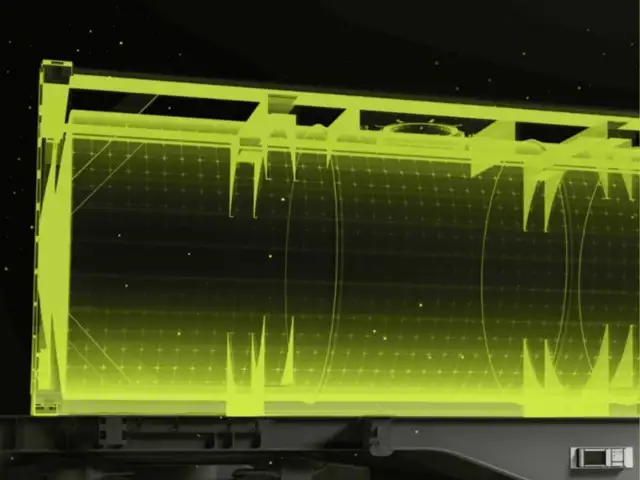
The indigenous high-speed train has already crossed an important manufacturing milestone, with its first body frame completed and sent for squeeze testing. The structural test is designed to assess the strength and durability of the train coaches. Such testing is an important step before the train can move on to dynamic trials and eventually undergo testing on the high-speed rail corridor.
The indigenous high-speed train has already crossed an important manufacturing milestone, with its first body frame completed and sent for squeeze testing. The structural test is designed to assess t..
Read More
Construction of the Mumbai-Ahmedabad High-Speed Rail Corridor is progressing across multiple sections. Some parts of the route are expected to be completed ahead of others, allowing the project to move towards a phased rollout. The Surat-Vapi section is expected to be completed by December, while other stretches are being developed simultaneously as work continues on stations, tracks and associated infrastructure.
Construction of the Mumbai-Ahmedabad High-Speed Rail Corridor is progressing across multiple sections. Some parts of the route are expected to be completed ahead of others, allowing the project to mo..
Read More
The Surat-Bilimora section is planned to be the first part of the Mumbai-Ahmedabad bullet train corridor to become operational. Once this section is ready for passenger services, the high-speed rail network is expected to expand progressively to other parts of the corridor. The phased approach means the complete Mumbai-Maharashtra connection will take longer to become operational.
The Surat-Bilimora section is planned to be the first part of the Mumbai-Ahmedabad bullet train corridor to become operational. Once this section is ready for passenger services, the high-speed rail ..
Read More
The planned rollout will take place in stages. After Surat-Bilimora, the Vapi-Surat section is expected to follow, followed by the Vapi-Ahmedabad stretch. The subsequent stages are planned to cover Ahmedabad-Thane and, finally, the Mumbai section once the Thane stretch is ready. The sequencing will allow services to be introduced progressively instead of waiting for the entire corridor to be completed.
The planned rollout will take place in stages. After Surat-Bilimora, the Vapi-Surat section is expected to follow, followed by the Vapi-Ahmedabad stretch. The subsequent stages are planned to cover A..
Read More
The Mumbai-Ahmedabad corridor is not expected to be the end of India’s high-speed rail plans. Seven additional corridors have been proposed for future development. These include Delhi-Varanasi, Varanasi-Patna-Siliguri, Mumbai-Pune, Pune-Hyderabad, Bengaluru-Chennai, Bengaluru-Hyderabad and Chennai-Hyderabad. If developed, these corridors could expand India’s high-speed rail network beyond the western corridor and connect several major cities through faster intercity services.
The Mumbai-Ahmedabad corridor is not expected to be the end of India’s high-speed rail plans. Seven additional corridors have been proposed for future development. These include Delhi-Varanasi, Varan..
Read More
The bullet train will not immediately start carrying passengers once track trials begin. The train is expected to undergo several months of testing to assess its performance, safety and other operational parameters. Passenger services will begin only after the necessary testing and approvals are completed. For now, the May-June 2027 trial window marks the next major milestone in India’s long-awaited bullet train project.
The bullet train will not immediately start carrying passengers once track trials begin. The train is expected to undergo several months of testing to assess its performance, safety and other operati..
“I can inform them that they will put the acid attack victims in the patient category because they have some reservations about putting them under the disabled category as others in that disabled category are not given railway concessions,” Dave told the court.
Why acid attack survivors need travel support
The plea highlighted the need for survivors to make repeated journeys to specialised hospitals for treatment and rehabilitation.
Counsel for the petitioner said some survivors require multiple visits to super-speciality hospitals over four to five years. They may also face difficulties obtaining medical certificates required for railway reservations, particularly when such documents have to be obtained from treating hospitals.
ADVERTISEMENT
The plea said survivors can require reconstructive surgeries, advanced ophthalmic treatment and prolonged post-operative care, which may be available only at specialised tertiary hospitals in major cities including Delhi, Chennai and Hyderabad.
The petition also pointed to the difficulties faced by survivors travelling in non-AC coaches because of burn injuries, persistent itching and the effects of surgeries, while the cost of frequent AC travel can be difficult to afford.
ADVERTISEMENT
Supreme Court had earlier sought Centre's response
On July 16, the Supreme Court had sought the Centre's response to a plea seeking concessional AC-class railway fares for acid attack survivors. The court had asked the law officer appearing for the Centre to obtain instructions from the Ministry of Railways.
The Centre had previously told the court that the Railways provides concessions to several categories of persons with disabilities and was also considering an emergency travel quota for PwDs.
The Supreme Court has separately noted that acid attack victims are covered as persons with physical disabilities under the Rights of Persons with Disabilities Act, 2016.
What the proposed railway concession policy could address
The proposed policy is aimed at addressing the travel difficulties faced by acid attack survivors who need regular medical care away from their place of residence.
The Centre's draft approach, as presented before the court, would place eligible survivors under the existing patient category rather than creating a separate railway concession category for them.
The final policy is yet to be considered by the court, with the Department of Empowerment of Persons with Disabilities now expected to participate in the formulation process.