
Refund for RAC travellers who don't get full berth? What to know as Railways considers scrapping 'unfair' system where two people share one berth but pay full fare
1/6
Indian Railways reviews decades-old RAC ticket system
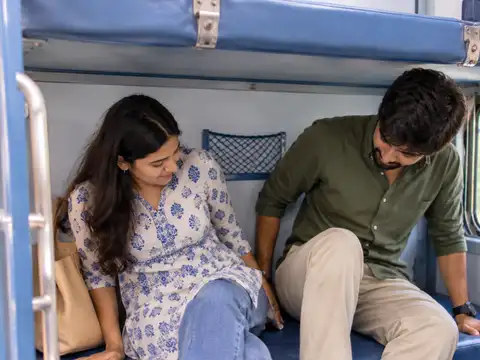
Indian Railways is examining whether to scrap its decades-old Reservation Against Cancellation (RAC) facility, under which two passengers share a single berth while paying the full ticket fare. The arrangement was introduced to help wait-listed passengers travel when confirmed ticket-holders failed to turn up. However, questions over passenger convenience and the need for the system in the digital age have prompted officials to reconsider it.
2/6
Why RAC passengers pay full fare despite sharing a berth
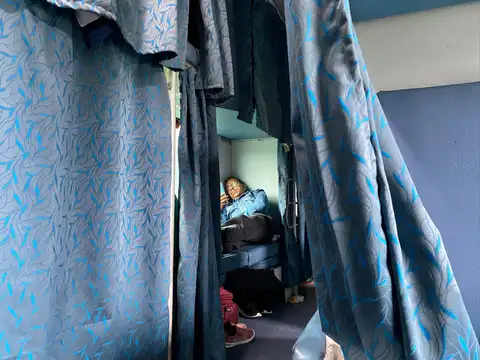
Under the current system, two RAC passengers are allotted a single side-lower berth. Both can travel and sit on the berth, but neither is guaranteed a full sleeping space. Despite this, each passenger pays the full fare. A railway official told TOI that there is a growing view within the department that charging passengers the full amount without providing a complete berth may not be fair.
3/6
Male and female passengers sharing RAC berths raises concerns
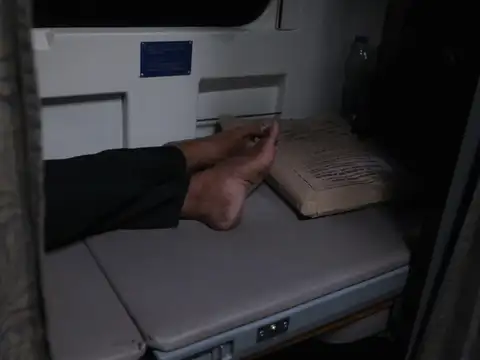
The arrangement can also lead to uncomfortable situations when a male and a female passenger are allotted the same berth. Train ticket examiners (TTEs) may find it difficult to arrange an alternative in such cases. The issue has also been flagged by a parliamentary panel, which questioned the rationale for charging the full fare when passengers remain in the RAC category even after chart preparation.
4/6
Why Railways introduced RAC and how the system worked
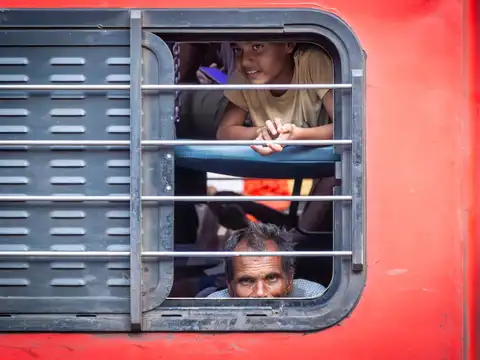
RAC was introduced in 1983-84, when reservations were largely handled manually and there was no digital system to track vacant berths in real time. It allowed wait-listed passengers to travel by sharing a berth, with the possibility of getting a full berth if a confirmed passenger failed to turn up. The arrangement was also intended to prevent arbitrary berth allotments by railway staff.
5/6
Digital ticketing has reduced the need for RAC, officials argue
Railway officials believe digital systems have changed the way vacant berths are managed. TTEs now use Hand Held Terminals (HHTs), which are connected to the ticketing system, to record passengers who do not board their trains. Once a no-show is entered, the vacant berth can be offered to another passenger from the next station. Officials argue that this makes the RAC arrangement less relevant and could also reduce the scope for discretionary allotments.

6/6
Parliamentary panel questions full fare, recommends partial refund
The Parliamentary Public Accounts Committee, in a report presented in the Lok Sabha on February 4, 2026, recommended that the Railways consider a partial refund for RAC passengers who are not allotted a full berth even after chart preparation. It said charging the full fare in such cases was not justified. Officials, however, have pointed to the challenges of introducing a refund mechanism for both online and counter-booked tickets. No final decision on scrapping RAC has been announced. Vande Bharat Sleeper trains currently operate without the RAC facility, unlike most other train services.