Railway passengers will see stricter checks from October 1, train ticket verifications to intensify; pass holders, concessions, quotas and PTO users must carry original ID
Railways train checking drive from October 1: Central Railway will run a month long ticket checking drive from October 1 to October 31, 2026, targeting concession tickets, reserved quota tickets and various railway passes. Passengers on shared tic...
By ET Online | Updated:
Commuters on Mumbai's local trains are being told to keep their identity proof within reach from next week. Central Railway will launch an intensive ticket checking drive on October 1, and it will continue through to October 31, 2026, covering trains and stations across the zone.
Officials say the exercise will pay special attention to tickets booked at concessional fares, tickets used under fixed reservation quotas, and tickets tied to various kinds of passes. If even a single passenger on a shared ticket fails to produce valid ID when asked, everyone travelling on that same ticket can be treated as travelling without one.
Also Read: Nitin Gadkari announces new expressway for north-east, proposed Gorakhpur to Meghalaya
Who Needs To Carry ID On A Shared Ticket?
When one ticket covers more than one passenger, at least one of them must be carrying valid ID proof at the time of checking. This applies whether the ticket is booked at a general fare or under a concession.
Skipping this is not treated as a minor slip. Under the applicable rules, if the required ID cannot be shown, every passenger travelling on that ticket will be considered to be travelling without a valid ticket. This can invite action or a fine as per railway regulations.
The same scrutiny extends to passengers using a fixed concession or a reserved quota. Their claim to that concession or quota will now be verified through ID, and not accepted on the strength of the ticket alone.
What Changes For E-Pass And PTO Holders?
Railway staff and their families typically use two kinds of travel benefits. The E-Pass is a digital facility that lets them travel free on trains, while PTO is a concession certificate that allows tickets to be bought at a fare lower than what a general passenger pays.
Central Railway has now made it clear that anyone travelling on an E-Pass or PTO must carry their original ID through the journey. On top of that, before boarding, they need to ensure the E-Pass or PTO has actually been converted into what is termed an authority to travel. Skipping this conversion could leave them exposed to the same penalties as any other passenger without a valid ticket.
Why Are Unreserved Tickets Being Checked Too?
The drive does not stop at reserved or concession categories. Central Railway will also examine the genuineness of unreserved tickets during this period. Wherever staff have reason to doubt a ticket, they will turn to the TTE app to verify it on the spot.
This move is aimed at shutting a loophole that has often been exploited to misuse reservation benefits or to travel on a forged or altered ticket. According to officials, the larger objective is to prevent misuse of reservation facilities, stop the fraudulent use of concessions and passes, and reduce the resulting loss of revenue to the railways.
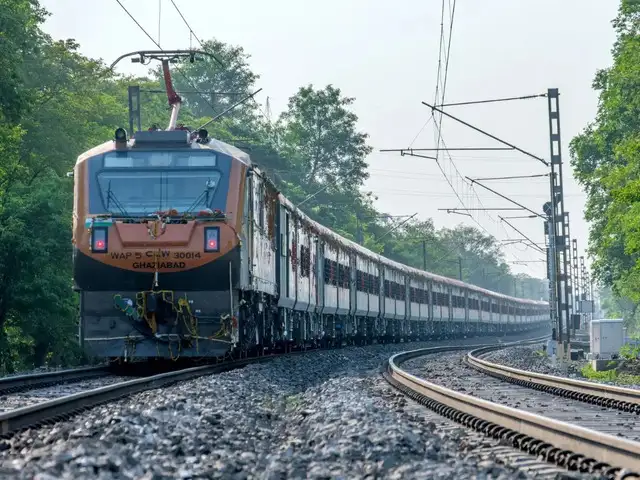
For the everyday commuter, the takeaway is fairly simple. Carry your ID, be clear on what your ticket actually entitles you to, and make sure any pass or concession paperwork is properly in order before you step onto the platform. Checks are expected to be far more frequent and far more thorough across Central Railway routes right through October.
Officials say the exercise will pay special attention to tickets booked at concessional fares, tickets used under fixed reservation quotas, and tickets tied to various kinds of passes. If even a single passenger on a shared ticket fails to produce valid ID when asked, everyone travelling on that same ticket can be treated as travelling without one.
Also Read: Nitin Gadkari announces new expressway for north-east, proposed Gorakhpur to Meghalaya
Who Needs To Carry ID On A Shared Ticket?
When one ticket covers more than one passenger, at least one of them must be carrying valid ID proof at the time of checking. This applies whether the ticket is booked at a general fare or under a concession.
Skipping this is not treated as a minor slip. Under the applicable rules, if the required ID cannot be shown, every passenger travelling on that ticket will be considered to be travelling without a valid ticket. This can invite action or a fine as per railway regulations.
ADVERTISEMENT
The same scrutiny extends to passengers using a fixed concession or a reserved quota. Their claim to that concession or quota will now be verified through ID, and not accepted on the strength of the ticket alone.
What Changes For E-Pass And PTO Holders?
Railway staff and their families typically use two kinds of travel benefits. The E-Pass is a digital facility that lets them travel free on trains, while PTO is a concession certificate that allows tickets to be bought at a fare lower than what a general passenger pays.
Central Railway has now made it clear that anyone travelling on an E-Pass or PTO must carry their original ID through the journey. On top of that, before boarding, they need to ensure the E-Pass or PTO has actually been converted into what is termed an authority to travel. Skipping this conversion could leave them exposed to the same penalties as any other passenger without a valid ticket.
ADVERTISEMENT
Why Are Unreserved Tickets Being Checked Too?
The drive does not stop at reserved or concession categories. Central Railway will also examine the genuineness of unreserved tickets during this period. Wherever staff have reason to doubt a ticket, they will turn to the TTE app to verify it on the spot.
ADVERTISEMENT
This move is aimed at shutting a loophole that has often been exploited to misuse reservation benefits or to travel on a forged or altered ticket. According to officials, the larger objective is to prevent misuse of reservation facilities, stop the fraudulent use of concessions and passes, and reduce the resulting loss of revenue to the railways.
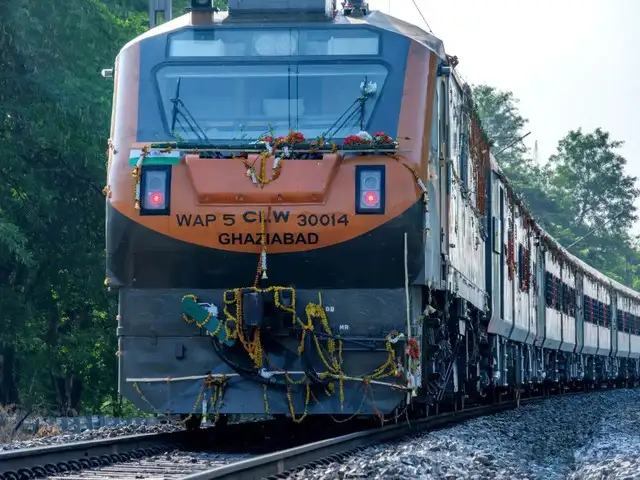
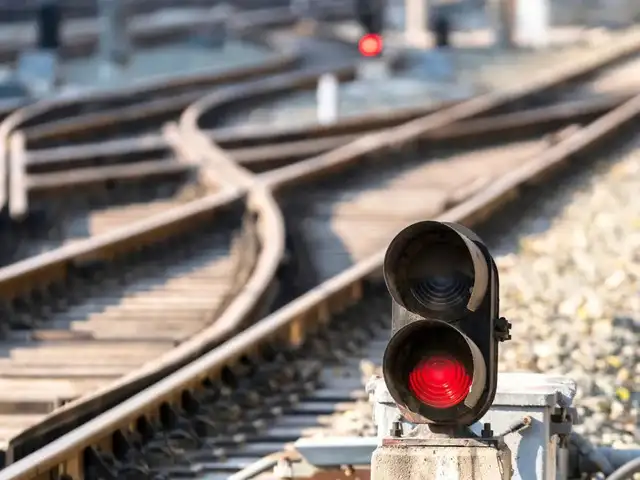
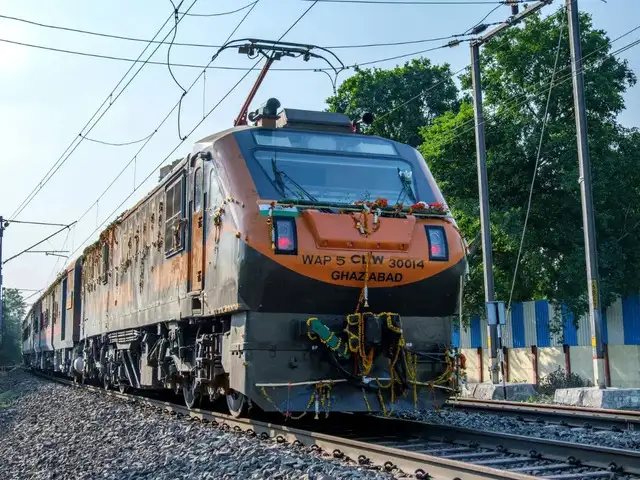
On January 19, a WAP-5 locomotive fitted with Kavach was run at 160 kmph on the Palwal-Mathura section. The driver was told not to apply brakes after spotting a red signal ahead. Kavach activated on its own and stopped the train 30 metres before the signal. All other safety parameters were also met.

For the everyday commuter, the takeaway is fairly simple. Carry your ID, be clear on what your ticket actually entitles you to, and make sure any pass or concession paperwork is properly in order before you step onto the platform. Checks are expected to be far more frequent and far more thorough across Central Railway routes right through October.
Start a SIP with as low as ₹500 with ET Money App!
Download
The Economic Times News App for Quarterly Results, Latest News in ITR, Business, Share Market, Live Sensex News & More.
The Economic Times News App for Quarterly Results, Latest News in ITR, Business, Share Market, Live Sensex News & More.
Related Articles
 Railway passengers looted at gunpoint for 75 minutes on train, TTE and coach attendant were missing; NCDRC orders Rs 20,000 compensation
ADVERTISEMENT


