Railway Budget 2015: Freight rates to be hiked from April 1, consumers will pay for costlier grain
Rates for coal transport will rise by 6.3%, while those for iron ore and steel will increase 0.8%. Charges for transport of urea and grains will also go up 10%.
By ET Bureau | Updated:
Suresh Prabhu, while sparing passengers in his rail budget, has proposed a hike in freight rates that will directly impact consumers of essential commodities and steel and aluminum industries. The railway minister has proposed a freight hike of 0.8% on iron ore and steel, a 6.3% increase on coal movement and an increase in freight rate for grains and pulses by 10% in fiscal 2015-16 that begins in April.
Pulses manufacturers said retail costs could increase Rs 1-2 a kg across the board; by 50 paise to `1 a kg in rice and wheat. Prices of coarse grain like corn, barley, jowar could also grow. However, with domestic steel demand yet to pick up, and a very real threat of imports, most major companies are likely to absorb the hike.
While the Railways' massive Rs 8.5 lakh crore investment over the next five years in adding new capacity presents a huge growth opportunity for steel industry, freight hike in coal is expected to hit aluminium players like Hindalco and Vedanta hard, just after aggressive auctions. Mirroring the mood among private sector steelmakers, JSW Steel joint MD and CFO Seshagiri Rao said, "Today, the market situation is not conducive to pass on the freight hike to consumers. We are not getting the benefit of falling diesel and coal prices. Last year too, freight rates went up. Market demand is soft and imports are increasing, which combined are putting a pressure on profit margins. But there were others who looked at the positive side.
SAIL chairman CS Verma said, "The thrust on capacity augmentation for Indian Railways— including upgrade of network, increasing of track capacity, gauge conversion and track doubling and tripling— would lead to improved steel consumption." Rao of JSW Steel agreed on this score, saying, "The positive thing about the budget was the investments announced by the rail ministry. That should start the investment cycle." In FY 16 alone, the Railways is supposed to invest a whopping Rs 96,000 crore.
 However, SV Sukumar, partner (strategy & operations) at KPMG in India, felt the budget had not addressed the main concern of logistics cost for India Inc and that would continue to remain high. "Unfortunately, this is not going to help our Make in India campaign," he said. Ravi Uppal, managing director and group CEO at Jindal Steel & Power, also felt the budget would do little to boost the Make in India campaign. "A comprehensive and visionary budget that could revitalise the Railways and resolve many of its core issues, including financial health to put it back on track.
The budget lacks in fine detail but promises a superior ride to everyone —from passengers to private participants —with a slew of measures aimed at improving operational efficiencies and invigorating the PPP model and nodal agencies," he said.
A sharp increase in coal transportation costs will add to their woes. Hindalco Industries and Vedanta Resources will be at the receiving end as they both have undertaken massive expansion but domestic demand has not kept pace and prices remain weak globally.
The budget will have a wider impact on consumers due to the higher costs of grains and pulses, as it becomes more expensive to transport them. "Food Corporation of India will have to bear an extra expenditure. Considering that it handles 60 million tonne foodgrain and by taking average freight cost of Rs 1,500 a tonne the increase in freight will come to Rs 900 crore," said Tejinder Narang, a grain analyst from Delhi. Narang added that roller flour mills that buy wheat under the open market sale scheme of FCI will pass the freight increase to consumer by approximately 50 paise a kg.
"Any increase in railway freight is bound to increase flour price," said Veena Sharma, secretary of the Roller Flour Mills Federation of India. Currently, 1,500 mills across the country process 22 million tonne of wheat annually for making flour, maida and suji. Companies trading in wheat and rice said they didn’t have the option to move to road transport because of their high volume and longer distances. An official at a leading MNC said, "The 10% increase in food grain is detrimental to private trade, which is already limited due to increased government intervention in the grain space. The aim of the railway minister is effectively going to be a non-starter as the largest grain mover, FCI, is also a government entity."
Pulses manufacturers said retail costs could increase Rs 1-2 a kg across the board; by 50 paise to `1 a kg in rice and wheat. Prices of coarse grain like corn, barley, jowar could also grow. However, with domestic steel demand yet to pick up, and a very real threat of imports, most major companies are likely to absorb the hike.
While the Railways' massive Rs 8.5 lakh crore investment over the next five years in adding new capacity presents a huge growth opportunity for steel industry, freight hike in coal is expected to hit aluminium players like Hindalco and Vedanta hard, just after aggressive auctions. Mirroring the mood among private sector steelmakers, JSW Steel joint MD and CFO Seshagiri Rao said, "Today, the market situation is not conducive to pass on the freight hike to consumers. We are not getting the benefit of falling diesel and coal prices. Last year too, freight rates went up. Market demand is soft and imports are increasing, which combined are putting a pressure on profit margins. But there were others who looked at the positive side.
SAIL chairman CS Verma said, "The thrust on capacity augmentation for Indian Railways— including upgrade of network, increasing of track capacity, gauge conversion and track doubling and tripling— would lead to improved steel consumption." Rao of JSW Steel agreed on this score, saying, "The positive thing about the budget was the investments announced by the rail ministry. That should start the investment cycle." In FY 16 alone, the Railways is supposed to invest a whopping Rs 96,000 crore.
However, SV Sukumar, partner (strategy & operations) at KPMG in India, felt the budget had not addressed the main concern of logistics cost for India Inc and that would continue to remain high. "Unfortunately, this is not going to help our Make in India campaign," he said. Ravi Uppal, managing director and group CEO at Jindal Steel & Power, also felt the budget would do little to boost the Make in India campaign. "A comprehensive and visionary budget that could revitalise the Railways and resolve many of its core issues, including financial health to put it back on track. The budget lacks in fine detail but promises a superior ride to everyone —from passengers to private participants —with a slew of measures aimed at improving operational efficiencies and invigorating the PPP model and nodal agencies," he said.
ADVERTISEMENT
"On the downside, the 6.3% hike in freight rates for coal will dent a range of industries. It is also out of whack with the Make in India spirit. Along with the 0.8% hike in steel freight, this is a double whammy that could have been avoided," Uppal added. Aluminium and power companies are already facing high costs of captive coal after aggressive bidding in the first phase of the coal block auctions. A sharp increase in coal transportation costs will add to their woes. Hindalco Industries and Vedanta Resources will be at the receiving end as they both have undertaken massive expansion but domestic demand has not kept pace and prices remain weak globally.
The budget will have a wider impact on consumers due to the higher costs of grains and pulses, as it becomes more expensive to transport them. "Food Corporation of India will have to bear an extra expenditure. Considering that it handles 60 million tonne foodgrain and by taking average freight cost of Rs 1,500 a tonne the increase in freight will come to Rs 900 crore," said Tejinder Narang, a grain analyst from Delhi. Narang added that roller flour mills that buy wheat under the open market sale scheme of FCI will pass the freight increase to consumer by approximately 50 paise a kg.
"Any increase in railway freight is bound to increase flour price," said Veena Sharma, secretary of the Roller Flour Mills Federation of India. Currently, 1,500 mills across the country process 22 million tonne of wheat annually for making flour, maida and suji. Companies trading in wheat and rice said they didn’t have the option to move to road transport because of their high volume and longer distances. An official at a leading MNC said, "The 10% increase in food grain is detrimental to private trade, which is already limited due to increased government intervention in the grain space. The aim of the railway minister is effectively going to be a non-starter as the largest grain mover, FCI, is also a government entity."
ADVERTISEMENT
With 75% of the transportation of 7-8 million rice exports via railways, the sector sees an increase in Indian rice export price. “Railways is a good means to transport huge volumes of grains. These frequent hikes should be avoided," said BV Krishna Rao, managing director of Pattabhi Agro Foods, the country's biggest exporter of non-basmati rice. Companies and traders also said road transporters would increase freight simultaneously. Start a SIP with as low as ₹500 with ET Money App!
Download
The Economic Times News App for Quarterly Results, Latest News in ITR, Business, Share Market, Live Sensex News & More.
The Economic Times News App for Quarterly Results, Latest News in ITR, Business, Share Market, Live Sensex News & More.
Related Articles
 Truck operators reel as diesel crunch pushes freight rates higher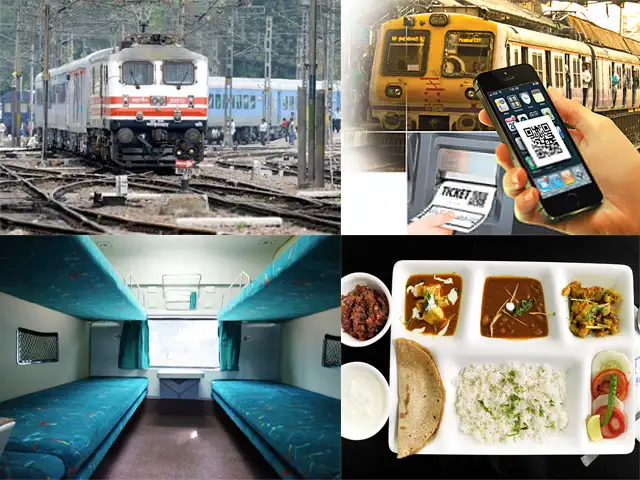
Text: ECONOMICTIMES.COM
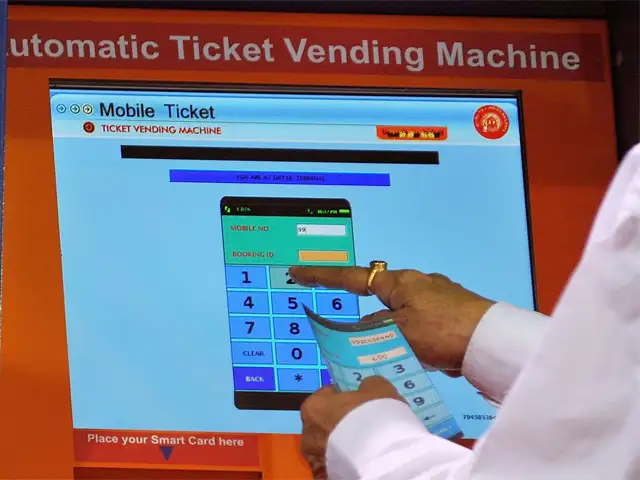
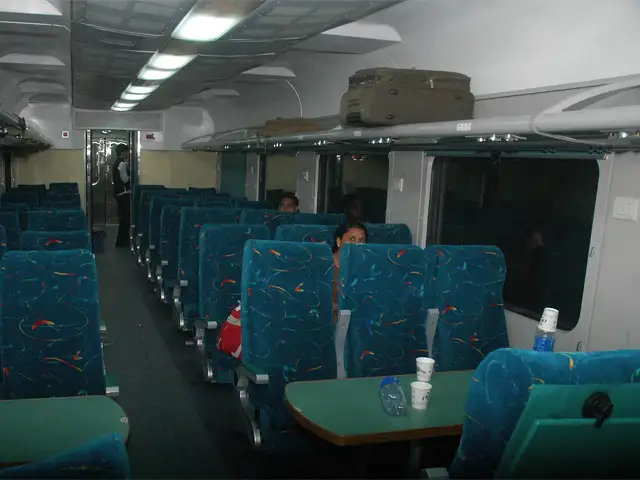
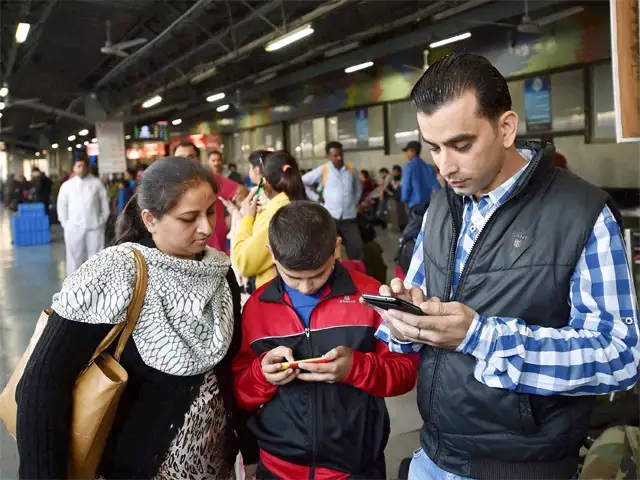
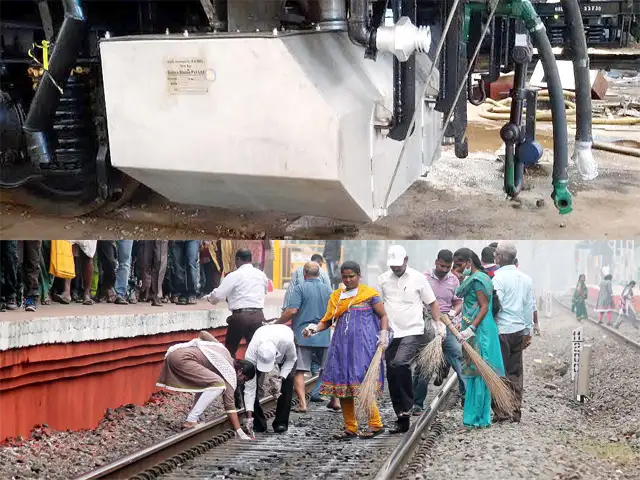
In a Railway Budget focused on enhancing passenger experience, Rail Minister Suresh Prabhu on Thursday announced multiple initiatives including better ticketing facilities, upgraded stations and cleaner trains.
Prabhu increased the funds allotment for passenger amenities by 67%. "We are launching initiatives that will systematically address customer concerns about cleanliness, comfort, accessibility, service quality and speed of trains," Prabhu said.
"We are directing our efforts to make travel on Indian Railways a happy experience with a mix of various initiatives," he said in the Rail Budget speech.
We take a look at 15 main areas in Prabhu's Rail Budget that will improve common man's train journey:
In a Railway Budget focused on enhancing passenger experience, Rail Minister Suresh Prabhu on Thursday announced multiple initiatives including better ticketing facilities, upgraded stations and cleaner trains.
Prabhu increased the funds allotment for passenger amenities by 67%. "We are launching initiatives that will systematically address customer concerns about cleanliness, comfort, accessibility, service quality and speed of trains," Prabhu said.
"We are directing our efforts to make travel on Indian Railways a happy experience with a mix of various initiatives," he said in the Rail Budget speech.
We take a look at 15 main areas in Prabhu's Rail Budget that will improve common man's train journey:





ADVERTISEMENT


