PM Modi inaugurates Botanical Garden-Kalkaji Magenta Line
With the commissioning of the new line, the travel time between south Delhi and Noida would be significantly reduced.
By ET Online and Agencies | Updated:
PM Modi inaugurates Delhi Metro's Magenta Line, lauds Yogi for defying 'Noida jinx'
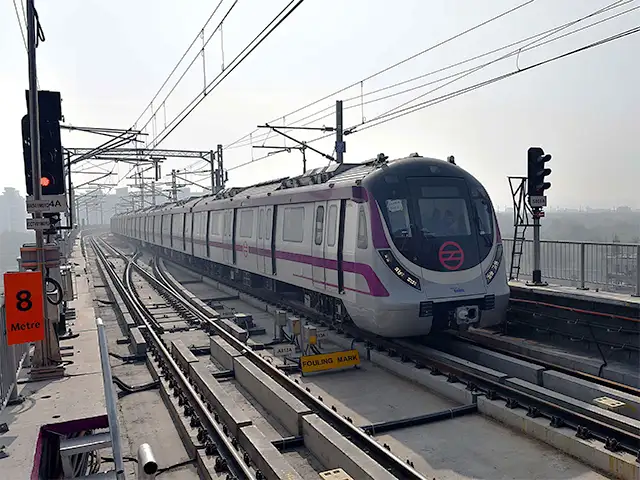
Prime Minister Narendra Modi today inaugurated the Botanical Garden-Kalkaji Magenta Line of Delhi Metro.
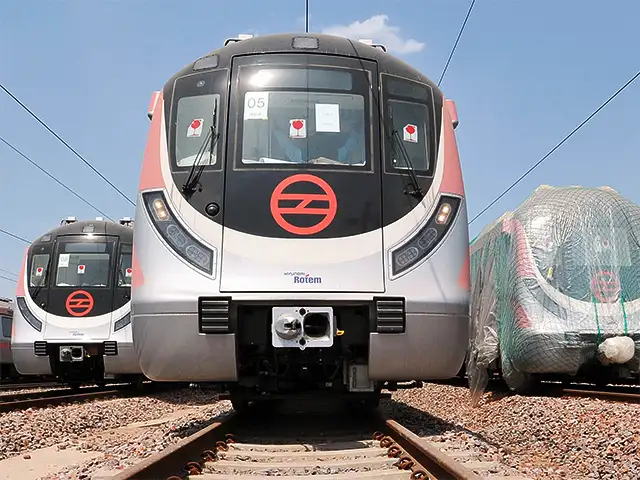
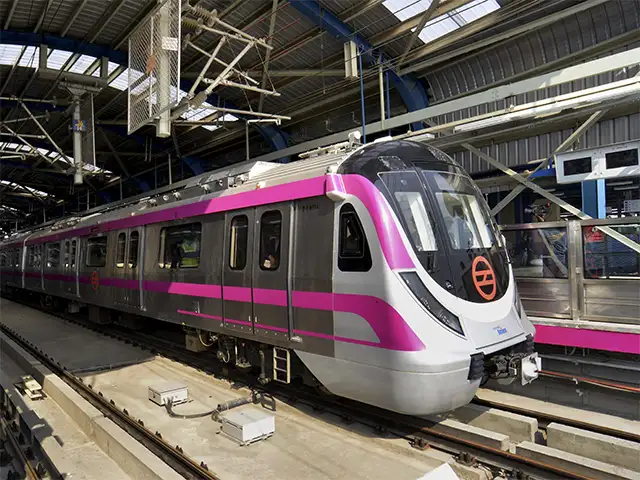
The 12.64-km route will be the first one of Delhi Metro to get driverless trains. DMRC will be using Communication Based Train Control (CBTC) signalling technology in these trains, which would facilitate the movement of trains within a frequency of 90 to 100 seconds.
"The trains would essentially be driverless, but there would be roving attendants. We would keep this mechanism say for a year or two," DMRC said earlier.
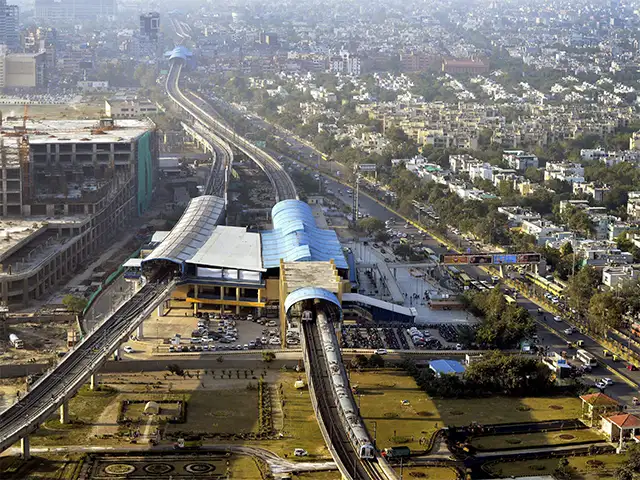
The Botanical Garden-Kalkaji section has nine stations. Apart from Kalkaji Mandir, all other stations are elevated. Travel time between the two will be reduced from 52 minutes (Botanical Garden to Mandi House via Blue Line and onwards to Kalkaji on Violet Line) to 19 minutes on the Magenta Line.
The entire line, when complete, will run from Botanical Garden to Janakpuri West.
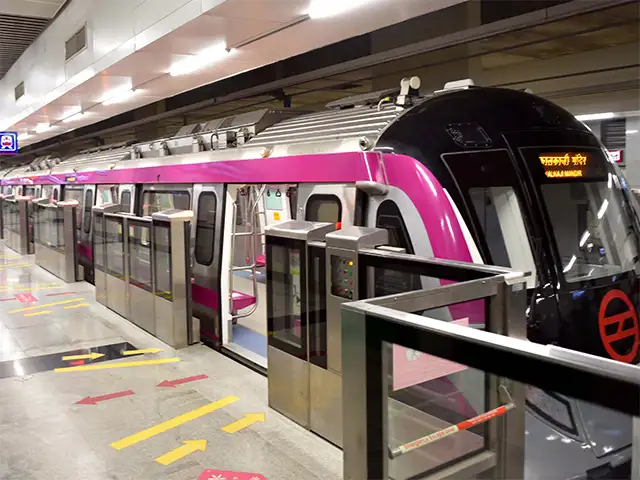
The new line has platform screen doors (PSDs) on all nine stations that will become operational from today, besides a high-tech signalling system that will allow the Delhi Metro Rail Corporation to run trains with enhanced frequency.
While Kalkaji Mandir station falls in Delhi, Botanical Garden station is located in Noida.
The DMRC authorities said that 10 trains would operate on this new line, while two would be kept on reserve, one each at Kalkaji Mandir and Botanical Garden stations.
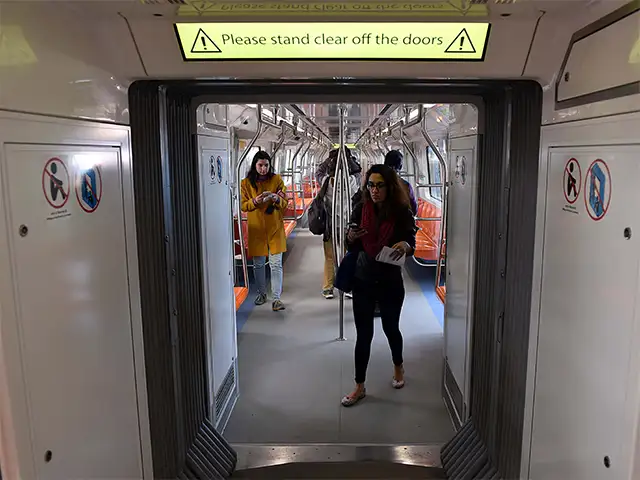
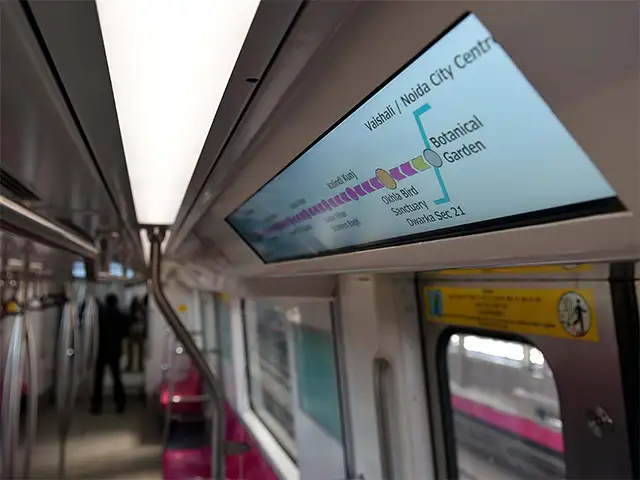
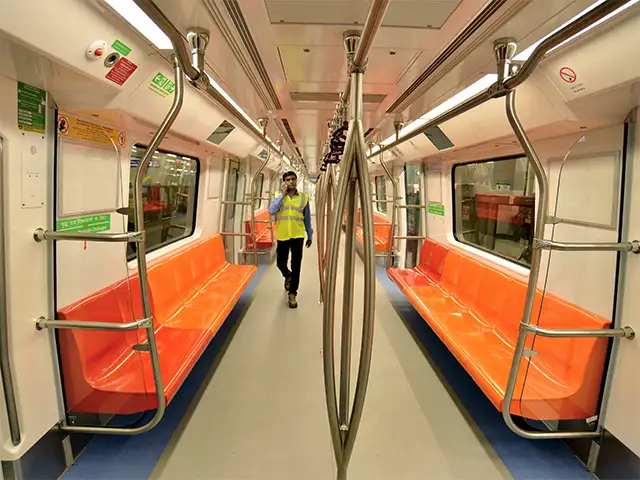
The coaches running on this line have electronic information display, power charging capacity, including directly through USB ports, and seats in different colour shades.
The new trains are also energy-efficient and would save about 20 per cent energy compared to the existing coaches, the DMRC said.
The Botanical Garden has been developed as the metro's first-ever interchange station outside the boundaries of Delhi.
With the commissioning of the new line, the travel time between south Delhi and Noida would be significantly reduced.
The direct ride on the Magenta Line from Kalkaji Mandir to Botanical Garden takes 19 minutes while travelling through Blue and Violet Lines between the old stations takes 52 minutes, with interchange facility at Mandi House station.
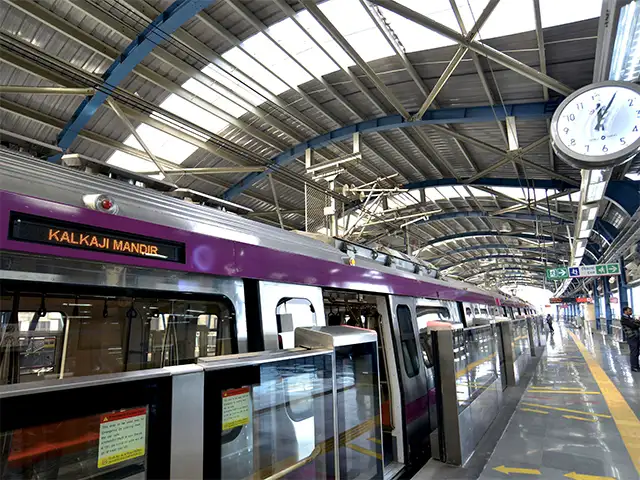
The new Kalkaji Mandir station is underground and an elevated walkway connects the new facility with the existing station, to facilitate passengers travelling towards Fardiabad side.
Six of the nine new stations--Botanical Garden, Okhla Bird Sanctuary, Jamia Milia Islamia, Ishwar Nagar, Okhla NSIC and Kalkaji Mandir--have been decorated, reflecting themes of nature, Yoga, and cultural landmarks.
At the new Kalkaji Mandir station, ceramic murals of Lotus Temple, ISKCON Temple and nature-themed artworks, and paintings showing birds have been displayed.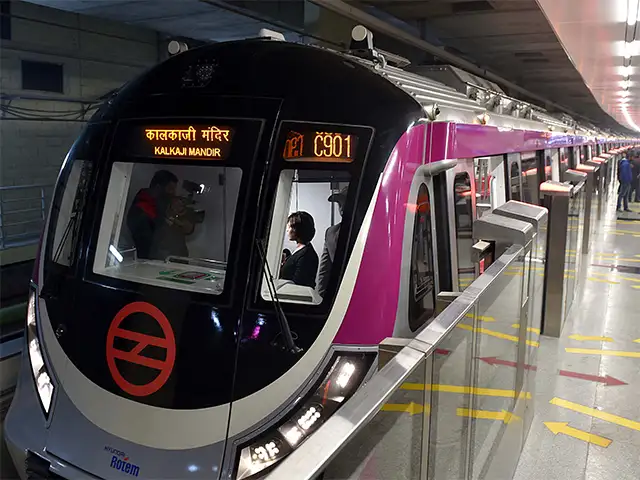
The new Magenta Line of the Delhi Metro that will directly connect Kalkaji in south Delhi to Noida, has many firsts to its credit, including platform screen doors (PSDs) and a hi-tech signalling technology for movement of trains.
The 12.64-km route will be the first one of Delhi Metro to get driverless trains. DMRC will be using Communication Based Train Control (CBTC) signalling technology in these trains, which would facilitate the movement of trains within a frequency of 90 to 100 seconds.
"The trains would essentially be driverless, but there would be roving attendants. We would keep this mechanism say for a year or two," DMRC said earlier.
The Botanical Garden-Kalkaji section has nine stations. Apart from Kalkaji Mandir, all other stations are elevated. Travel time between the two will be reduced from 52 minutes (Botanical Garden to Mandi House via Blue Line and onwards to Kalkaji on Violet Line) to 19 minutes on the Magenta Line.
The entire line, when complete, will run from Botanical Garden to Janakpuri West.
The new line has platform screen doors (PSDs) on all nine stations that will become operational from today, besides a high-tech signalling system that will allow the Delhi Metro Rail Corporation to run trains with enhanced frequency.
ADVERTISEMENT
While Kalkaji Mandir station falls in Delhi, Botanical Garden station is located in Noida.
The DMRC authorities said that 10 trains would operate on this new line, while two would be kept on reserve, one each at Kalkaji Mandir and Botanical Garden stations.
The coaches running on this line have electronic information display, power charging capacity, including directly through USB ports, and seats in different colour shades.
The new trains are also energy-efficient and would save about 20 per cent energy compared to the existing coaches, the DMRC said.
ADVERTISEMENT
The Botanical Garden has been developed as the metro's first-ever interchange station outside the boundaries of Delhi.
With the commissioning of the new line, the travel time between south Delhi and Noida would be significantly reduced.
ADVERTISEMENT
The direct ride on the Magenta Line from Kalkaji Mandir to Botanical Garden takes 19 minutes while travelling through Blue and Violet Lines between the old stations takes 52 minutes, with interchange facility at Mandi House station.
The new Kalkaji Mandir station is underground and an elevated walkway connects the new facility with the existing station, to facilitate passengers travelling towards Fardiabad side.
Six of the nine new stations--Botanical Garden, Okhla Bird Sanctuary, Jamia Milia Islamia, Ishwar Nagar, Okhla NSIC and Kalkaji Mandir--have been decorated, reflecting themes of nature, Yoga, and cultural landmarks.
At the new Kalkaji Mandir station, ceramic murals of Lotus Temple, ISKCON Temple and nature-themed artworks, and paintings showing birds have been displayed.

Start a SIP with as low as ₹500 with ET Money App!
Download
The Economic Times News App for Quarterly Results, Latest News in ITR, Business, Share Market, Live Sensex News & More.
The Economic Times News App for Quarterly Results, Latest News in ITR, Business, Share Market, Live Sensex News & More.
Related Articles
 Delhi metro viral video shows young girls shouting, hurling abuses in women's coach on Magenta Line. Here's what happened next2026-03-25T08:11:11Z
- Delhi Metro: Thieves steal 1 km of signalling cable on magenta line just 4 days after opening. What passengers need to know2026-03-13T07:32:35Z
- Delhi Metro begins operations on Pink, Magenta Line extensions2026-03-08T10:25:15Z
ADVERTISEMENT


