Kavach: Did the lack of an armour kill hundreds in modern India that is spending record money for railways?
A three-way train collision in India has claimed hundreds of lives, leading to questions about rail safety, particularly after it was found that the anti-train collision system, or Kavach, was not installed on the route where the incident occurred...
By Gourab Das, ET Online | Updated:
Kavach system couldn't have averted Odisha train crash, Railway official explains why
India is shaken by a three-way train collision that has killed hundreds in what is seen as the worst train disaster in two decades in a country that is busy boasting introduction of modern locomotives, harbours dreams of bullet trains and allocates record money to its railway network.
The horrifying accident involved the Bengaluru-Howrah Superfast Express, the Shalimar-Chennai Central Coromandel Express, and a goods train. Although the exact cause of the crash remains unknown, sources have suggested a potential signaling failure.
Railway officials have launched a comprehensive investigation into the train collision and Railway Minister Ashwini Vaishnaw has said the cause of the accident will be unearthed after the probe.
However, the railways said the anti-train collision system, or Kavach, as the Modi government named it, was not installed on the route where the tragic collision occurred.
Amid blame games, there are now questions raised as to why the Kavach is a minion compared to the gigantic Indian rail network, as it has the potential to avoid catastrophic accidents.
The anti-train collision system alerts when a loco pilot misses a signal (Signal Passed at Danger — SPAD), which typically is the leading cause for train collisions. The system can alert the pilot, and then take control of the brakes to bring the train to a halt if it notices another train on the same line within a prescribed distance.
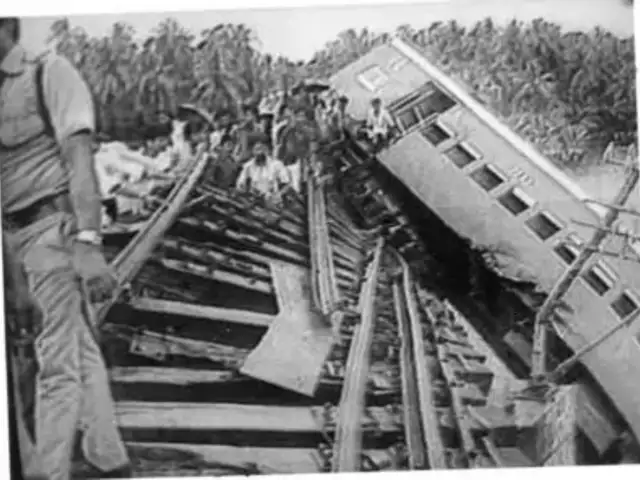
In 1981, a train fell into the river Bagmati in Bihar, killing over 750 people. This was the worst recorded train accident in India.
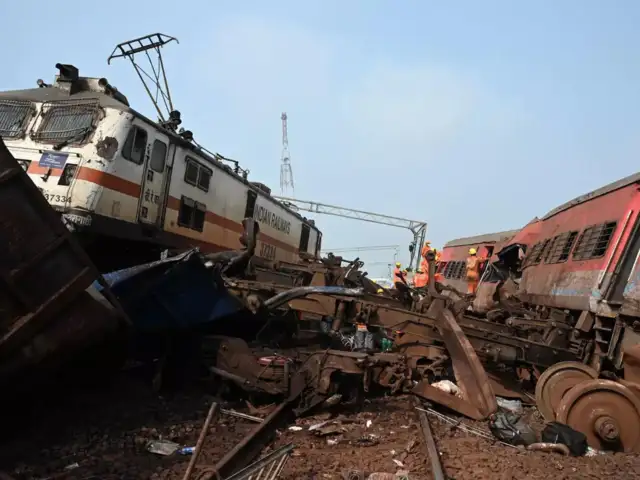
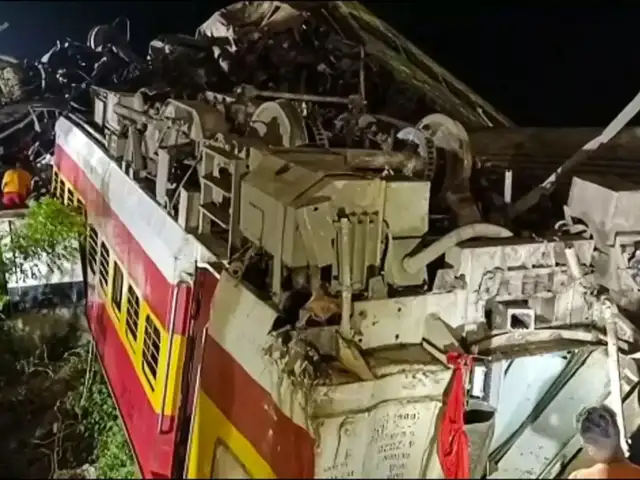
Three trains, four tracks and a matter of a few minutes led to the deadly accident, leaving behind mangled coaches that resemble a big heap of steel boxes, underneath which human beings are either dead or fighting for breath having lost their limbs.
Eighteen hours later, rescue operations were completed. Chief Ministers of Odisha, West Bengal have reached the spot and so has the railway minister. Prime Minister Modi has convened a meeting to take stock of the situation and he also reached the accident spot.
So far, nearly 290 people have died, according to AFP, while the official number stands at 266. The number is unfortunately feared to rise further.
All of this comes at a time when Modi in recent months has been busy flagging off India-made high-speed trains on one of the world's largest railway networks, which is however still congested amid lack of sufficient dedicated freight corridors.
Indian Railways manages the fourth largest railway system and the length of railway routes across India is reportedly over 68 thousand kilometers. The government till Jan 31 has commissioned a total route length of 1,724 km of dedicated freight corridors out of the total 2,843 km it plans to build.
Indian Railways has installed the so-called Kavach, or the anti-collision system, on only 1,445 km of route so far, according to media reports.
The Modi-government had termed the safety system as Kavach and it was announced in the 2022 Budget as a part of the Atmanirbhar Bharat initiative, even as plans of the Train Collision Avoidance System dates back to 2011, as per a railway department document.
The Modi government had last year floated a tender to bring a total of 3,000 km of rail network under this technology, covering Delhi-Mumbai and Delhi-Howrah rail network. This was to be done at a cost of Rs 1,000 crore.
Even after the government completes deploying it on 3,000 km of the rail network, the armour will be missing on over 95% of Indian Railways’ routes.
Prempal Sharma, a former executive at Indian Railways, told NDTV that the anti-train collision system is one of the most inexpensive systems used for avoiding collisions.
The Narendra Modi-led administration, which is seeking a reappointment for a third term next year, had for this fiscal year allocated a capital outlay of Rs 2.4 lakh crore to the Indian Railways. This allocation was reportedly for laying new lines with an aim to decongest the Indian Railways and make it future ready.
It is estimated that there is a need to lay 1 lakh kilometres of tracks (including doubling of existing ones) over the coming 25 years as more goods movement shifts away from roads to railways.
The Modi government has made big strides in modernising the creaky railway infrastructure with the introduction of the country's new favorite high-speed Vande Bharat Express or even Tejas Express, while the government is also looking to sanitise the railway stations to be cleaner and look gorgeous.
After the accident on June 2, railway officials have said they will expedite the implementation of Kavach, while they will also focus on block signalling and centralised traffic control systems on busy routes, Mint reported.
However, the safety system perhaps has taken too long to be even considered for being deployed across the length of the railway network that operates 11,000 trains everyday, of which 7,000 are passenger trains.
According to a document available on the railways website, work on the Train Collision Avoidance System was started in 2011. The specification for the first phase i.e. Absolute Block System was drafted in the year 2011-12. In the year 2012-13, the Concept Field Trial was conducted in Secunderabad Division. Demonstration to Chairman Railway Board & Member Electrical was made on 16.10.2012. Further, demonstration to the Committee of Additional Members from Railway Board was also made on 10.11.2012, the document said.
The Indian government has been reluctant to bring back concessions on railway travel for senior citizens despite the rebound in passengers buying train tickets after the pandemic-led disruptions. While the Indian government may need higher revenue collections to spend on public infrastructure and further narrow fiscal deficit, the citizens will need more robust safety systems. While rail accidents can be human error, it is unfortunate to lose lives perhaps due to tech failure or the lack of it when the world now increasingly talks about artificial intelligence and navigation systems are well advanced.
India has successfully reduced the number of railway accidents in recent years, thanks to better signal systems and other safety measures. The accident in Odisha comes after two back-to back accidents in four days in 2017, which had triggered the then railway minister Suresh Prabhu to offer to resign taking moral responsibility.
While India has curbed the number of train accidents, the freak accident in Balasore district is also the fourth deadliest for the country.
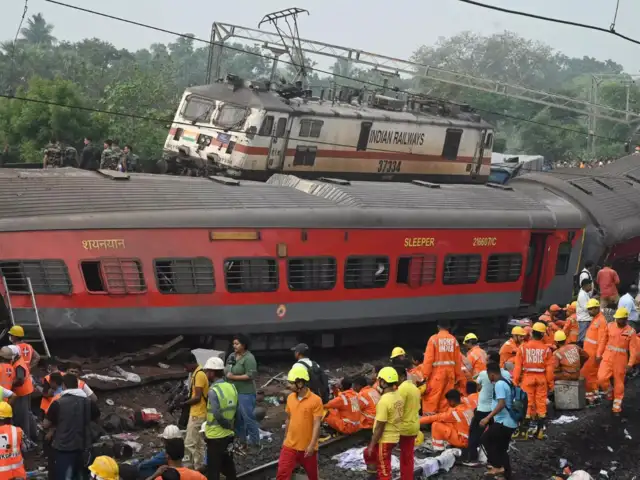
The horrifying accident involved the Bengaluru-Howrah Superfast Express, the Shalimar-Chennai Central Coromandel Express, and a goods train. Although the exact cause of the crash remains unknown, sources have suggested a potential signaling failure.
Railway officials have launched a comprehensive investigation into the train collision and Railway Minister Ashwini Vaishnaw has said the cause of the accident will be unearthed after the probe.
However, the railways said the anti-train collision system, or Kavach, as the Modi government named it, was not installed on the route where the tragic collision occurred.
Amid blame games, there are now questions raised as to why the Kavach is a minion compared to the gigantic Indian rail network, as it has the potential to avoid catastrophic accidents.
The anti-train collision system alerts when a loco pilot misses a signal (Signal Passed at Danger — SPAD), which typically is the leading cause for train collisions. The system can alert the pilot, and then take control of the brakes to bring the train to a halt if it notices another train on the same line within a prescribed distance.
ADVERTISEMENT
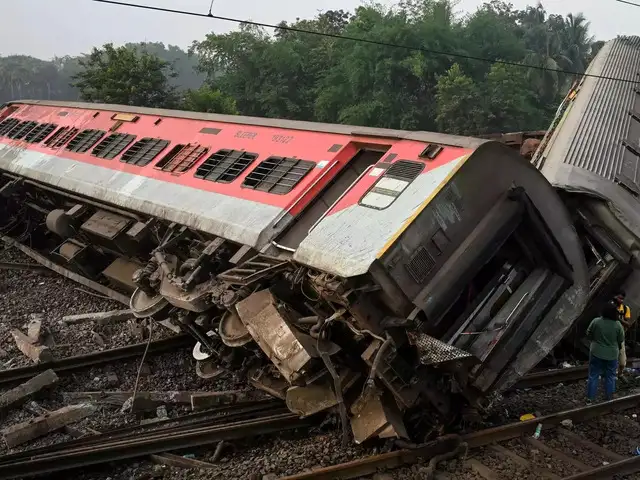
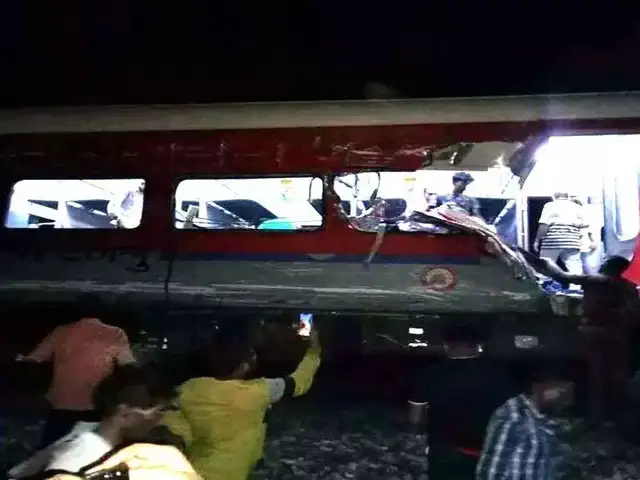
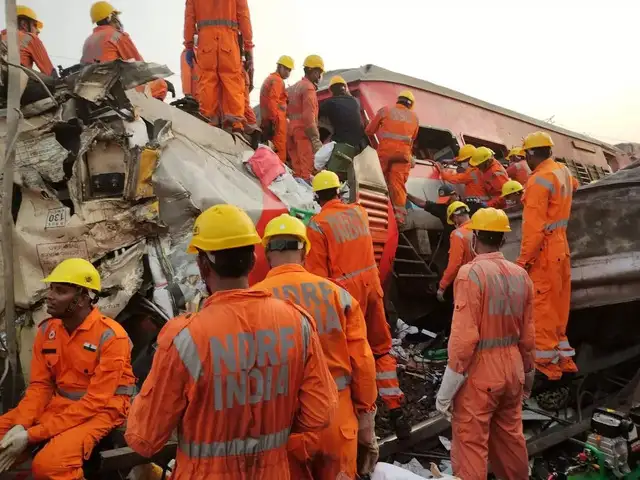
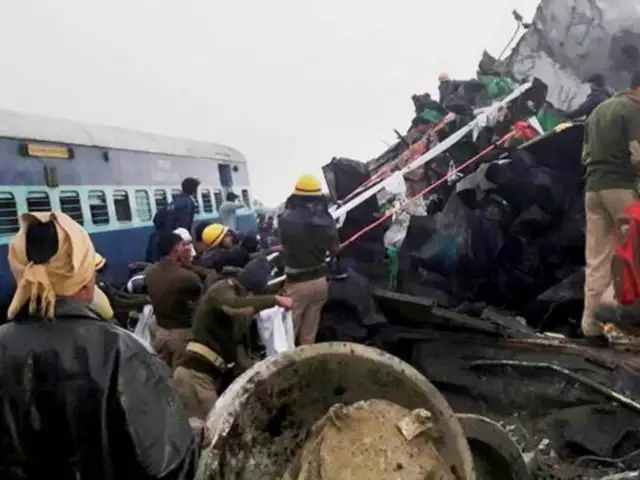
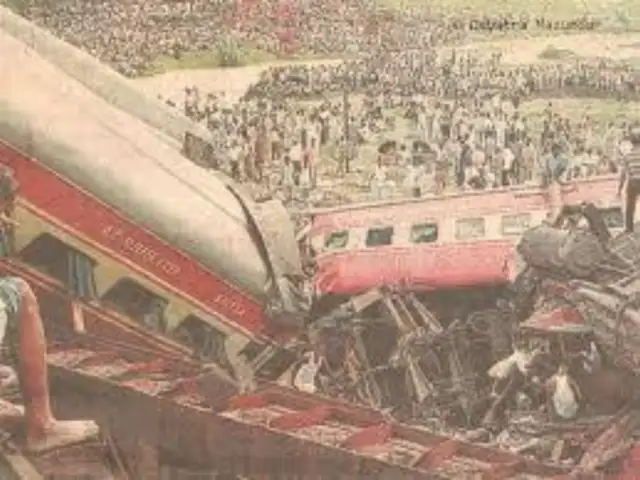
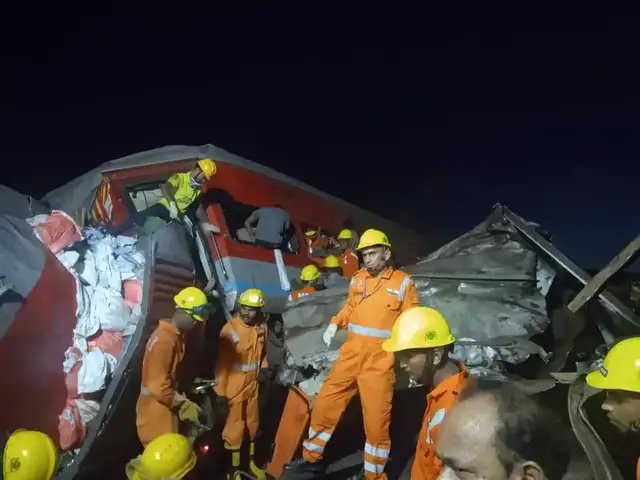
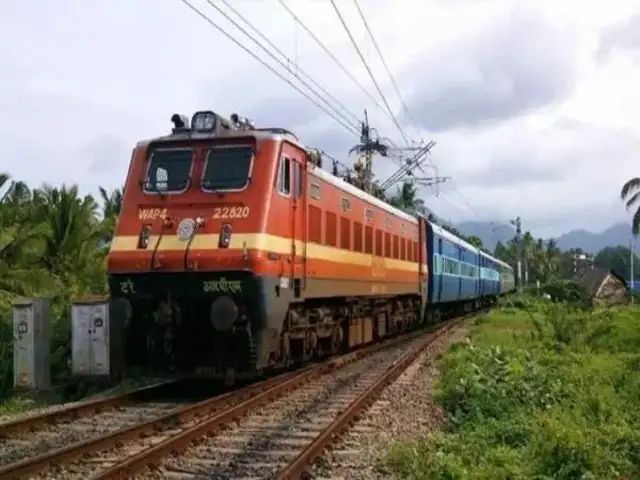

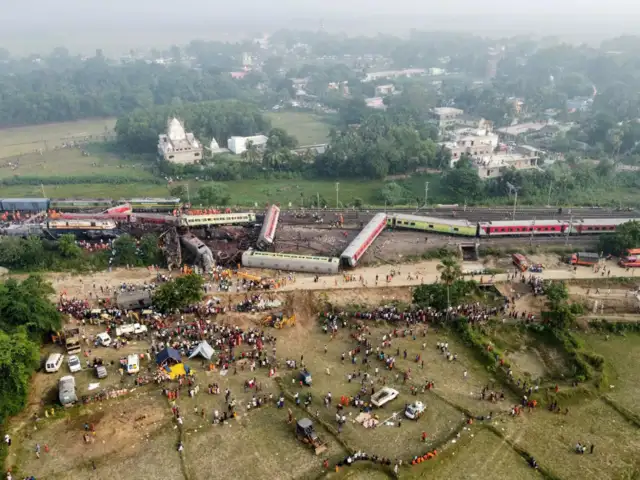
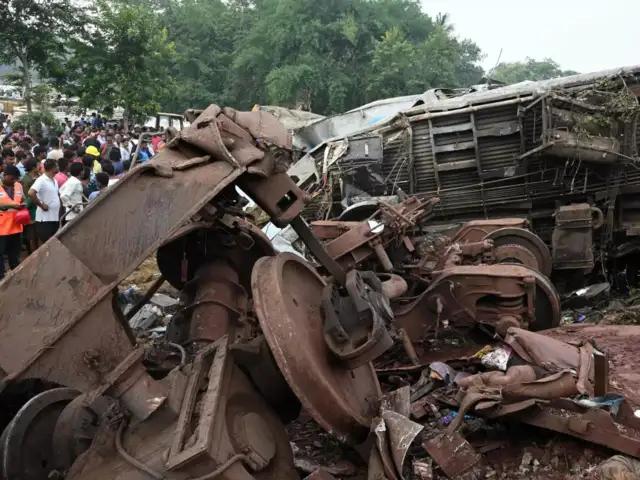
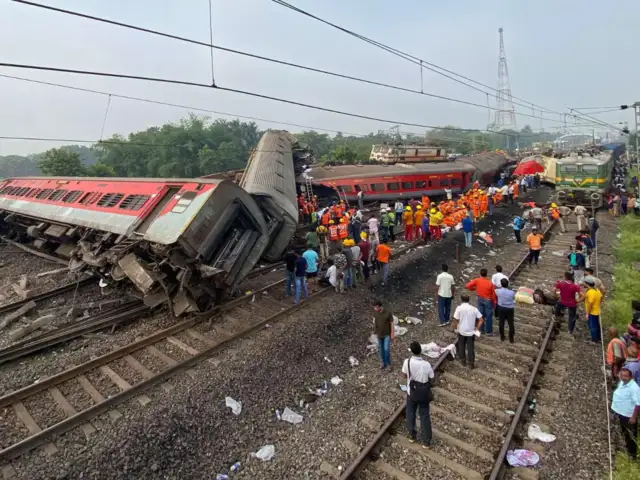
Three trains, four tracks and a matter of a few minutes led to the deadly accident, leaving behind mangled coaches that resemble a big heap of steel boxes, underneath which human beings are either dead or fighting for breath having lost their limbs.
Eighteen hours later, rescue operations were completed. Chief Ministers of Odisha, West Bengal have reached the spot and so has the railway minister. Prime Minister Modi has convened a meeting to take stock of the situation and he also reached the accident spot.
So far, nearly 290 people have died, according to AFP, while the official number stands at 266. The number is unfortunately feared to rise further.
ADVERTISEMENT
All of this comes at a time when Modi in recent months has been busy flagging off India-made high-speed trains on one of the world's largest railway networks, which is however still congested amid lack of sufficient dedicated freight corridors.
Indian Railways manages the fourth largest railway system and the length of railway routes across India is reportedly over 68 thousand kilometers. The government till Jan 31 has commissioned a total route length of 1,724 km of dedicated freight corridors out of the total 2,843 km it plans to build.
ADVERTISEMENT
Indian Railways has installed the so-called Kavach, or the anti-collision system, on only 1,445 km of route so far, according to media reports.
The Modi-government had termed the safety system as Kavach and it was announced in the 2022 Budget as a part of the Atmanirbhar Bharat initiative, even as plans of the Train Collision Avoidance System dates back to 2011, as per a railway department document.
The Modi government had last year floated a tender to bring a total of 3,000 km of rail network under this technology, covering Delhi-Mumbai and Delhi-Howrah rail network. This was to be done at a cost of Rs 1,000 crore.
Even after the government completes deploying it on 3,000 km of the rail network, the armour will be missing on over 95% of Indian Railways’ routes.
Prempal Sharma, a former executive at Indian Railways, told NDTV that the anti-train collision system is one of the most inexpensive systems used for avoiding collisions.
The Narendra Modi-led administration, which is seeking a reappointment for a third term next year, had for this fiscal year allocated a capital outlay of Rs 2.4 lakh crore to the Indian Railways. This allocation was reportedly for laying new lines with an aim to decongest the Indian Railways and make it future ready.
It is estimated that there is a need to lay 1 lakh kilometres of tracks (including doubling of existing ones) over the coming 25 years as more goods movement shifts away from roads to railways.
The Modi government has made big strides in modernising the creaky railway infrastructure with the introduction of the country's new favorite high-speed Vande Bharat Express or even Tejas Express, while the government is also looking to sanitise the railway stations to be cleaner and look gorgeous.
After the accident on June 2, railway officials have said they will expedite the implementation of Kavach, while they will also focus on block signalling and centralised traffic control systems on busy routes, Mint reported.
However, the safety system perhaps has taken too long to be even considered for being deployed across the length of the railway network that operates 11,000 trains everyday, of which 7,000 are passenger trains.
According to a document available on the railways website, work on the Train Collision Avoidance System was started in 2011. The specification for the first phase i.e. Absolute Block System was drafted in the year 2011-12. In the year 2012-13, the Concept Field Trial was conducted in Secunderabad Division. Demonstration to Chairman Railway Board & Member Electrical was made on 16.10.2012. Further, demonstration to the Committee of Additional Members from Railway Board was also made on 10.11.2012, the document said.
The Indian government has been reluctant to bring back concessions on railway travel for senior citizens despite the rebound in passengers buying train tickets after the pandemic-led disruptions. While the Indian government may need higher revenue collections to spend on public infrastructure and further narrow fiscal deficit, the citizens will need more robust safety systems. While rail accidents can be human error, it is unfortunate to lose lives perhaps due to tech failure or the lack of it when the world now increasingly talks about artificial intelligence and navigation systems are well advanced.
India has successfully reduced the number of railway accidents in recent years, thanks to better signal systems and other safety measures. The accident in Odisha comes after two back-to back accidents in four days in 2017, which had triggered the then railway minister Suresh Prabhu to offer to resign taking moral responsibility.
While India has curbed the number of train accidents, the freak accident in Balasore district is also the fourth deadliest for the country.
In the fourth deadliest train wreck in India, nearly 300 people were killed and hundreds of others were left injured when one train derailed, before another one came and rammed into it, all within a few minutes. The Army, Air Force and rescue workers were mobilised to save those who were trapped. The incident has left a permanent hole of horror in India's memory.
Start a SIP with as low as ₹500 with ET Money App!
Download
The Economic Times News App for Quarterly Results, Latest News in ITR, Business, Share Market, Live Sensex News & More.
The Economic Times News App for Quarterly Results, Latest News in ITR, Business, Share Market, Live Sensex News & More.
ADVERTISEMENT


