Japan eyes high-speed rail contract in India, says cost not high
Building the Shinkansen in India will be no easy task, particularly because the train requires a dedicated rail track, unlike some others.
By Indrani Bagchi, TNN | Updated:
NEW DELHI: With the feasibility study for the country's first high-speed railway in its final stages, Japan expects India to make a "big, clear decision" on the Shinkansen. Japan is also pushing for a 360-degree project rather than a piecemeal one.
Speaking exclusively to TOI, Masafumi Shukuri, chairman of the International High-Speed Rail Association (IHRA) which owns the famed Shinkansen bullet trains, said, "Rather than saying India only requires economic or financial cooperation, or that finance and technology should be considered separate from developing human resources, they cannot be separated and should be an integrated decision. If India is getting financial assistance from one country, the technology of that country, wisdom, experience and human resources of that country should be utilized as well."
India's quest for bullet trains has brought Japan and China as competitors for the India market. While Japan, in its 51 years of operating the Shinkansen, has reported 100% safety and delays of "under one minute", China's high-speed rail system, which covers more kilometres, has had at least one well known accident killing many people. On the other hand, China's system has a definite price advantage.
Shukuri hotly contested it. "There has been no instance when Japan's cost is higher. There is no proven instance when the initial cost by Japan's Shinkansen has been higher."
The evolution of Shinkansen was made keeping passenger safety and minimum environmental impact in mind, Shukuri said. "We have been doing that for decades. From that perspective, our costs are extremely competitive. Japan has continued to make efforts to reduce the cost. It's not just the initial cost that you should look at. You need to look at lifestyle cost, over three to five decades. We need to be able to use these systems properly, and therefore we need inspections, training etc. We put a great deal of effort into various aspects of the system. It's because of this we have been able to achieve the record of no fatalities or injuries in Japan. If you don't have those systems in place, you could end up with accidents, which add to the cost," he added.
Speaking exclusively to TOI, Masafumi Shukuri, chairman of the International High-Speed Rail Association (IHRA) which owns the famed Shinkansen bullet trains, said, "Rather than saying India only requires economic or financial cooperation, or that finance and technology should be considered separate from developing human resources, they cannot be separated and should be an integrated decision. If India is getting financial assistance from one country, the technology of that country, wisdom, experience and human resources of that country should be utilized as well."
India's quest for bullet trains has brought Japan and China as competitors for the India market. While Japan, in its 51 years of operating the Shinkansen, has reported 100% safety and delays of "under one minute", China's high-speed rail system, which covers more kilometres, has had at least one well known accident killing many people. On the other hand, China's system has a definite price advantage.
Shukuri hotly contested it. "There has been no instance when Japan's cost is higher. There is no proven instance when the initial cost by Japan's Shinkansen has been higher."
The evolution of Shinkansen was made keeping passenger safety and minimum environmental impact in mind, Shukuri said. "We have been doing that for decades. From that perspective, our costs are extremely competitive. Japan has continued to make efforts to reduce the cost. It's not just the initial cost that you should look at. You need to look at lifestyle cost, over three to five decades. We need to be able to use these systems properly, and therefore we need inspections, training etc. We put a great deal of effort into various aspects of the system. It's because of this we have been able to achieve the record of no fatalities or injuries in Japan. If you don't have those systems in place, you could end up with accidents, which add to the cost," he added.
A question that Indians will be asking when the project is unveiled is whether high-speed railway is really necessary? Does it justify the cost? Shukuri said high-speed railway had transformed Japan's economy, society and lifestyle. He believes they will perform the same "decisive role" in India's transformation.
"Japan introduced the Shinkansen in 1964, when it still wasn't an economically rich country. In these 51 years, we have polished the project, expanded the network. As a result of that, we have seen a clear change. I believe that one of the roles high-speed rail will play in India is to bring about that decisive change," he said.
Building the Shinkansen in India will be no easy task, particularly because the train requires a dedicated rail track, unlike some others. Defending it, Shukuri said, "The most important principle of success of Shinkansen in Japan is in fact the dedicated track, and the ATC (automatic train control) which controls the system that maintains safety and speed, prevents collision. If we shared tracks with the conventional network, it might have been cheaper, but we would not have been able to achieve absolute safety. The capacity would be limited as well, as would future development. In 1964, there were two trains per hour. Now there are 30 trains per hour both ways. The dedicated line is indispensable for high speed railways."
The feasibility report will be ready in June, in time for the Modi government to take a decision on it before the visit of Japanese Prime Minister Shinzo Abe.
Start a SIP with as low as ₹500 with ET Money App!
Download
The Economic Times News App for Quarterly Results, Latest News in ITR, Business, Share Market, Live Sensex News & More.
The Economic Times News App for Quarterly Results, Latest News in ITR, Business, Share Market, Live Sensex News & More.
Economictimes.com
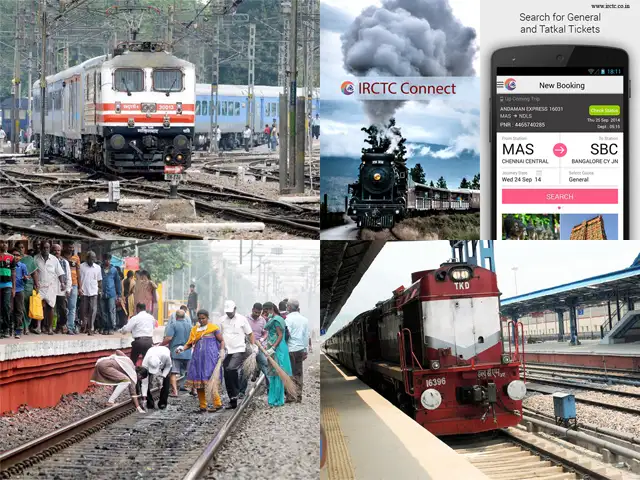
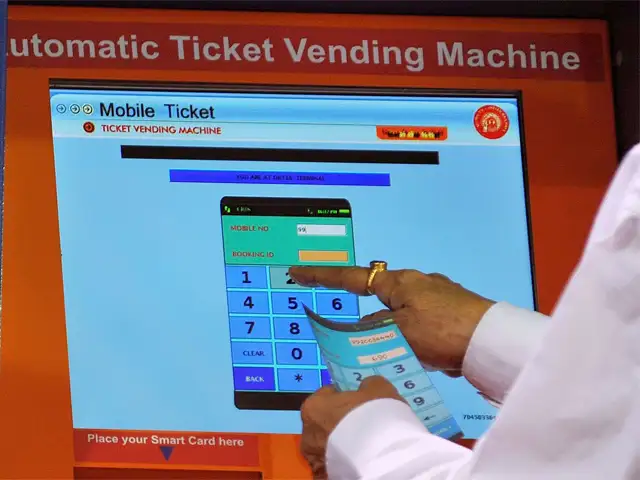
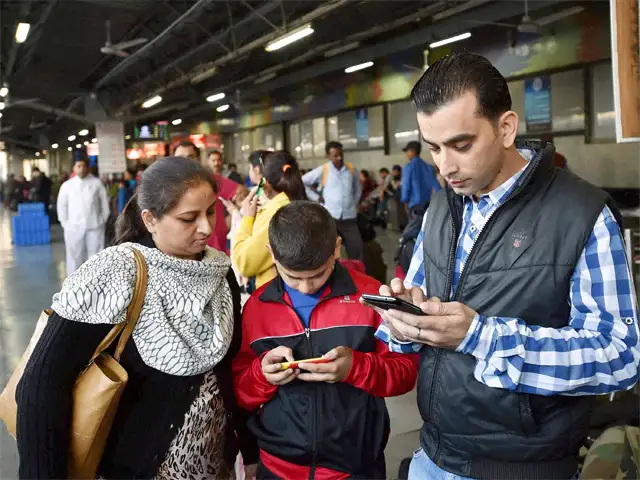
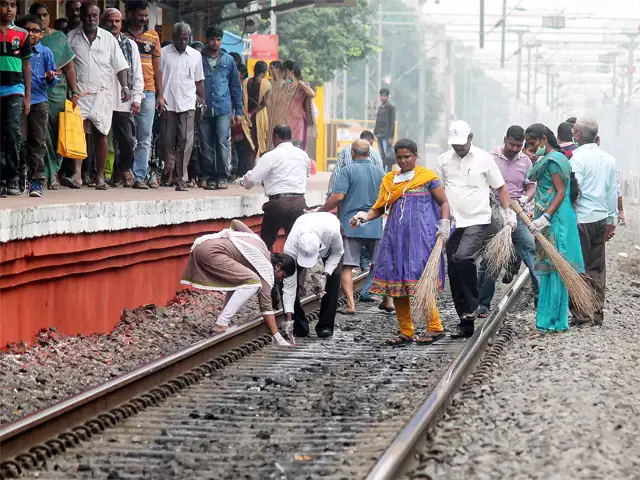
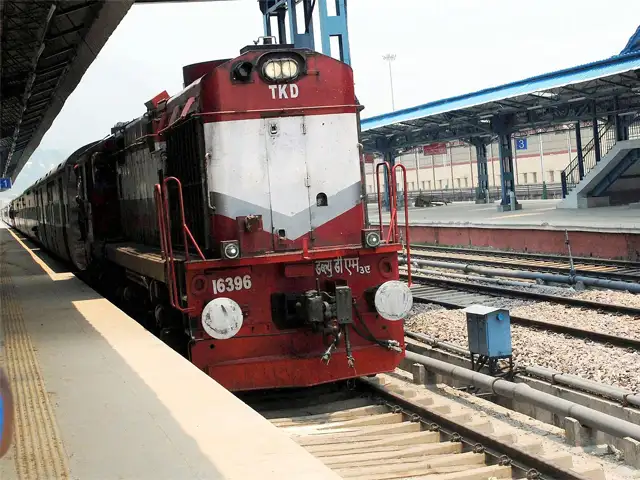
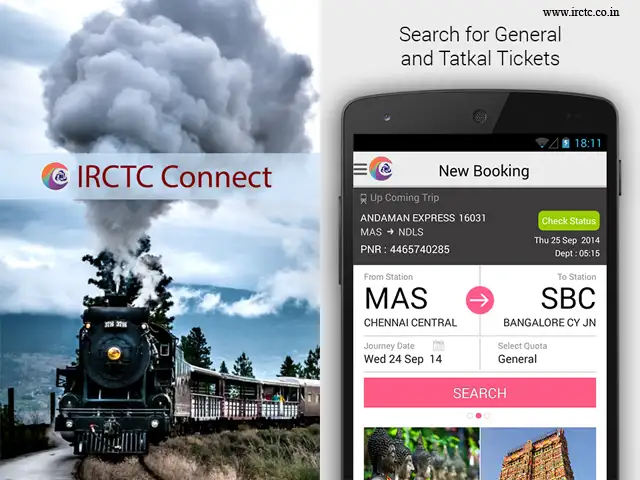
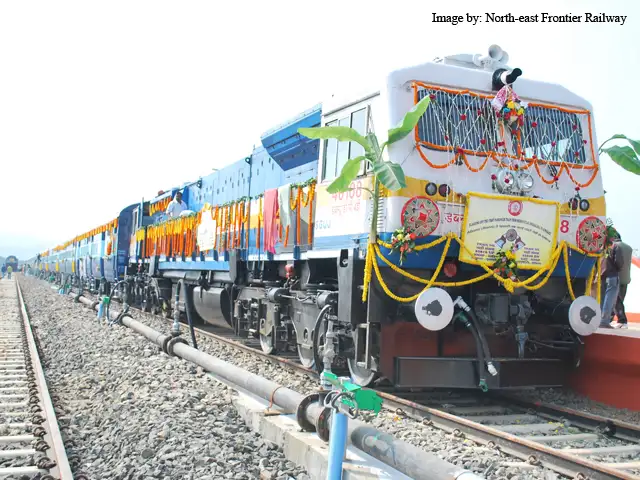
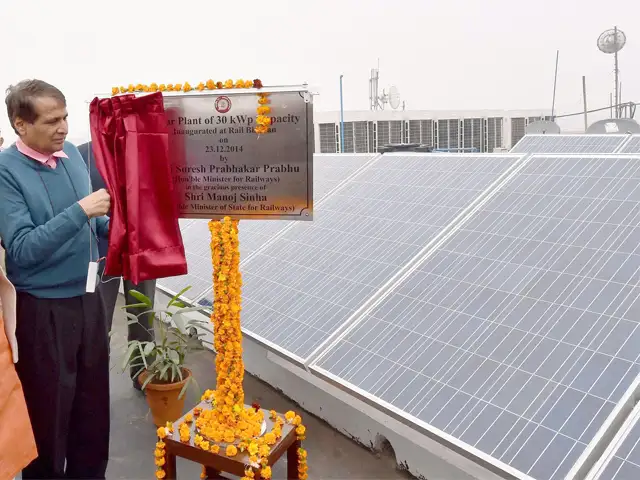
High-speed trains, mobile ticketing, cleaner stations and better food - these are just some of the many initiatives that were taken by the Indian Railways to improve passenger experience and its own functioning.
Among the plethora of steps taken by the Railways, we highlight nine steps that deserve a special mention:
High-speed trains, mobile ticketing, cleaner stations and better food - these are just some of the many initiatives that were taken by the Indian Railways to improve passenger experience and its own functioning.
Among the plethora of steps taken by the Railways, we highlight nine steps that deserve a special mention:


ADVERTISEMENT


