In 75 hours, India’s longest train journey takes you across 4,188 km, from Assam’s tea gardens to Kanyakumari’s coastline; watch viral video
India's longest train journey, the Vivek Express, connects Dibrugarh in Assam to Kanyakumari in Tamil Nadu, covering around 4,188 km in approximately 75 hours. The journey takes passengers through several states, from Assam's tea gardens and the p...
A train journey lasting more than three days can offer a different way to experience India's changing landscapes, languages and food traditions. The Vivek Express, which connects Dibrugarh in Assam with Kanyakumari in Tamil Nadu, is widely recognised as India's longest train service by route distance. Covering around 4,188 km in approximately 75 hours, the journey takes passengers from the tea-growing region of the Northeast to the country's southern tip. A traveller named Ganesh, who posts on Instagram as @runontrack, captured his experience of the long-distance journey in a video. His post, captioned “India’s Longest Train Journey, Dibrugarh to Kanyakumari”, offers a glimpse into a trip that crosses several states and passes through varied landscapes along the way.
Vivek Express: India's longest train journey by distance
The Dibrugarh-Kanyakumari Vivek Express stands out for the sheer distance it covers. Instead of reaching the destination in a few hours by air, passengers spend around 75 hours aboard the train, watching the scenery change gradually outside their windows.
The route connects India's northeastern region with the southern coastline, passing through parts of Assam, West Bengal, Odisha, Andhra Pradesh, Kerala and Tamil Nadu. The journey also offers a view of everyday life across the country, from busy railway stations and small towns to stretches of green countryside.
For travellers who enjoy long train rides, the appeal lies as much in the experience as in reaching the destination.
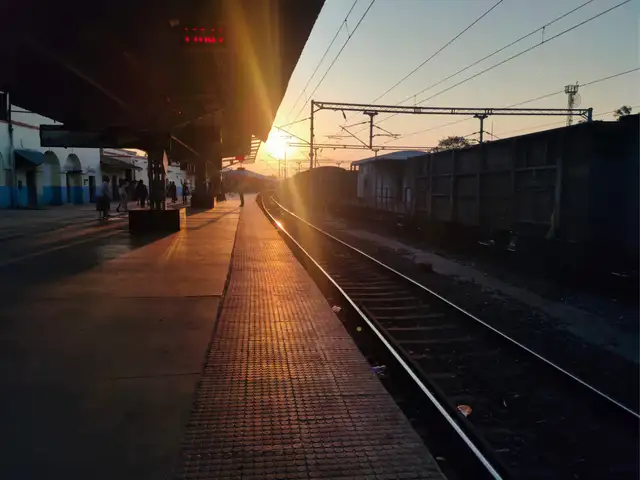
(Image Credit: Wikimedia Commons)
From Assam's tea gardens to the plains of Bengal
The journey begins in Dibrugarh, a city in Assam known for its tea estates and proximity to the Brahmaputra River. As the train moves towards Guwahati, passengers pass through the landscapes of the Northeast before entering the railway corridors of West Bengal.
Further along the route, the scenery changes to the plains of North Bengal, with green fields, settlements and views towards the Himalayan foothills. New Jalpaiguri is an important railway stop in this region and serves as a gateway for travellers heading towards Darjeeling and other destinations in the hills.
The transition from Assam to Bengal offers a glimpse of how quickly the landscape can change during a long-distance train journey.
Odisha and Andhra Pradesh bring coastal views and busy cities
As the Vivek Express continues south, it passes through Odisha, where railway towns and urban centres offer a look at the state's culture and daily life. Bhubaneswar, known as the Temple City of India, is among the prominent cities in the region.
The train then continues towards Andhra Pradesh, passing through major railway hubs such as Visakhapatnam and Vijayawada. Visakhapatnam is known for its coastline, while Vijayawada is associated with the Kanaka Durga Temple and the Prakasam Barrage across the Krishna River.
For passengers, the stops offer opportunities to observe regional differences in food, languages, architecture and the pace of life. However, the views available from the train depend on the time of day and the specific section of the route.
ADVERTISEMENT
Kerala's greenery leads the way towards Tamil Nadu
Further south, the route passes through Kerala, where the tropical setting brings a different character to the journey. Coconut palms, greenery and waterways are part of the state's landscape, although not every section of the railway line runs alongside the backwaters.
Stops around Ernakulam and Thiruvananthapuram connect passengers to some of Kerala's major urban centres. From there, the journey continues towards Tamil Nadu, where the landscape, local food and language offer another change in atmosphere.
After travelling across much of the country, passengers finally reach Kanyakumari, at the southern tip of mainland India.
Kanyakumari: The final stop of the 4,188-km journey
Kanyakumari is known for its coastal scenery and its location near the meeting point of the Arabian Sea, the Bay of Bengal and the Indian Ocean. Popular attractions include the Vivekananda Rock Memorial and views of the sunrise over the sea.
For passengers who have spent around three days aboard the Vivek Express, reaching the destination marks the end of a journey across a large part of India. The train ride offers a chance to experience the country's geographical variety without changing trains along the way.
How to plan a Dibrugarh-Kanyakumari Vivek Express trip
The Dibrugarh-Kanyakumari service operates as the Vivek Express, with train number 22504 for the Dibrugarh-to-Kanyakumari journey and 22503 for the return service. The scheduled duration is around 75 hours, although timings and journey details should be checked before travel.
Passengers planning the full route should consider booking their preferred class in advance, particularly if they want a sleeper berth for the entire journey. Carrying snacks, a water bottle and entertainment downloaded for offline use can also make the long ride more comfortable.
Those who want to explore cities along the way may prefer to split the journey into shorter sections, allowing time to visit places rather than viewing them only from the train.
The latest timetable, seat availability and booking details should be checked through IRCTC or the National Train Enquiry System (NTES) before departure.
The Vivek Express is more than a way to travel between two distant cities. Its long route offers passengers an opportunity to watch India's landscapes and everyday life change from one region to another, making the journey itself a major part of the experience.
Mark your calendars: Bengaluru-Mumbai Vande Bharat sleeper train may launch on November 1; 24-hour journey could shrink to 16 hours, check fares, timings & route
1/9
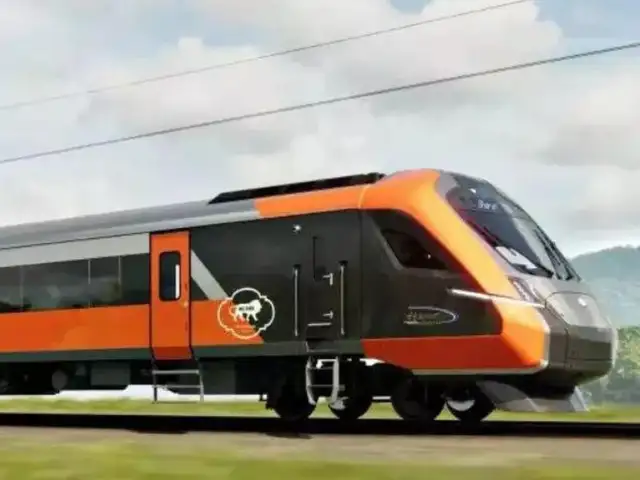
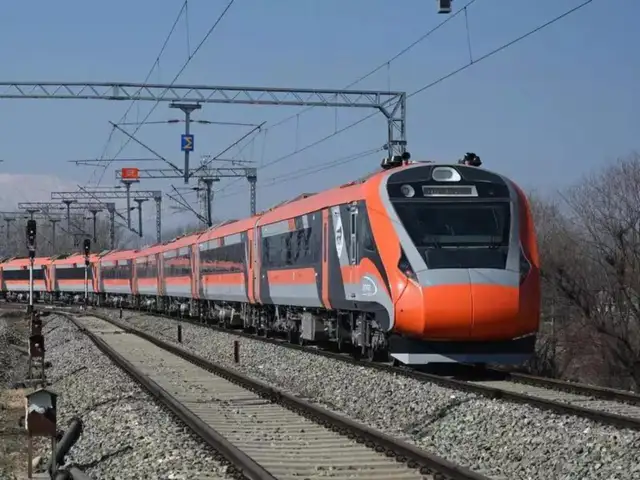
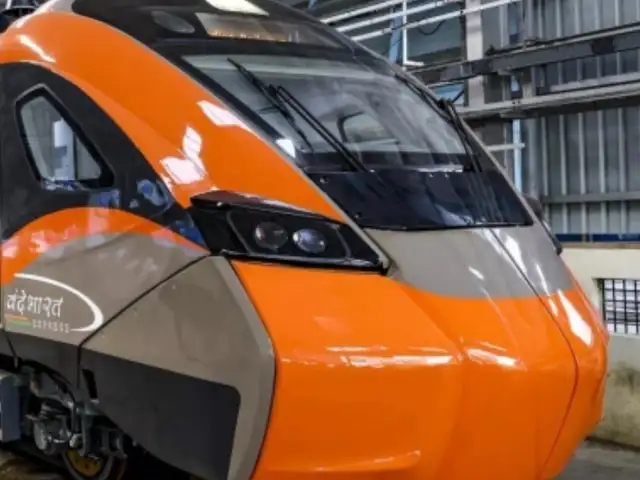
Indian Railways could soon introduce a new overnight rail service between Bengaluru and Mumbai, with the proposed launch of the Vande Bharat Sleeper Express on November 1. South Western Railway (SWR) has suggested the date for an inaugural special run to coincide with Karnataka Rajyotsava, the state’s formation day. According to SWR sources cited by TOI, Railway Minister Ashwini Vaishnaw is expected to flag off the train. However, the date for the start of regular commercial services has not been announced yet. The proposed service will be the first Vande Bharat sleeper train to operate in southern India and the second sleeper service in the Vande Bharat series.
Indian Railways could soon introduce a new overnight rail service between Bengaluru and Mumbai, with the proposed launch of the Vande Bharat Sleeper Express on November 1. South Western Railway (SWR)..
Read More
The new train is expected to reduce the journey between Bengaluru and Mumbai from around 24 hours to approximately 16 hours. This would offer passengers a quicker overnight alternative on one of the busiest inter-city rail routes in the country. The Udyan Express, a key direct train connecting the two cities, currently takes roughly 24 hours to complete the journey. The proposed Vande Bharat Sleeper Express is expected to cover the distance of around 1,118 km in significantly less time. However, the expected travel time will need to be confirmed once Indian Railways announces the final schedule and operational details.
The new train is expected to reduce the journey between Bengaluru and Mumbai from around 24 hours to approximately 16 hours. This would offer passengers a quicker overnight alternative on one of the ..
Read More
The fare for the Bengaluru-Mumbai journey could range from Rs 2,600 to Rs 4,250, depending on the accommodation class. These are expected prices, and the final fare structure has not yet been officially announced. The train is likely to offer three accommodation options: AC three-tier, AC two-tier and AC First Class. With sleeping berths across all three categories, the service is designed for passengers travelling overnight between the two cities.
The fare for the Bengaluru-Mumbai journey could range from Rs 2,600 to Rs 4,250, depending on the accommodation class. These are expected prices, and the final fare structure has not yet been officia..
Read More
The train is expected to operate under numbers 27651 and 27652, although these details are yet to be confirmed. According to earlier reports, the service could leave KSR Bengaluru at 10 pm and arrive at Mumbai’s Chhatrapati Shivaji Maharaj Terminus (CSMT) at around 1.50 pm the following day. On the return journey, the train could depart from CSMT at 10.30 pm and reach Bengaluru at approximately 2.50 pm the next day. These timings remain tentative. Passengers will need to wait for the official timetable before planning journeys around the proposed service.
The train is expected to operate under numbers 27651 and 27652, although these details are yet to be confirmed. According to earlier reports, the service could leave KSR Bengaluru at 10 pm and arrive..
Read More
The planned route is expected to connect Bengaluru and Mumbai through several important railway stations across Karnataka, Andhra Pradesh and Maharashtra. The proposed stops include Anantapur, Guntakal, Raichur, Kalaburagi, Solapur and Kalyan before the train reaches Mumbai. The final list of stops and station timings will be confirmed by the Railways closer to the commencement of regular operations. An official cited in reports said the service could not be introduced in October because the model code of conduct was in force for the Karnataka Legislative Council elections.
The planned route is expected to connect Bengaluru and Mumbai through several important railway stations across Karnataka, Andhra Pradesh and Maharashtra. The proposed stops include Anantapur, Guntak..
Read More
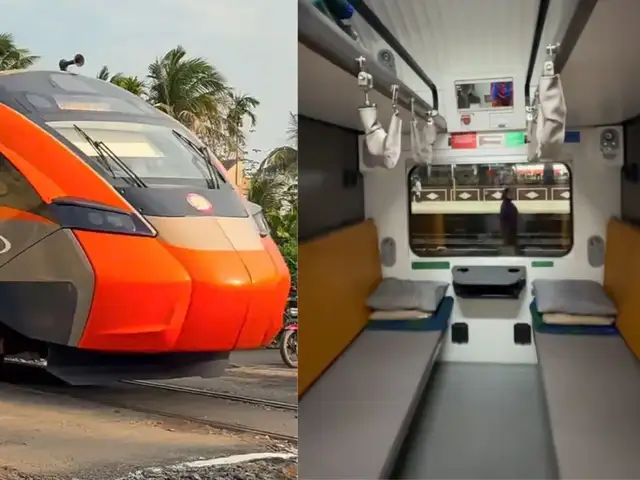
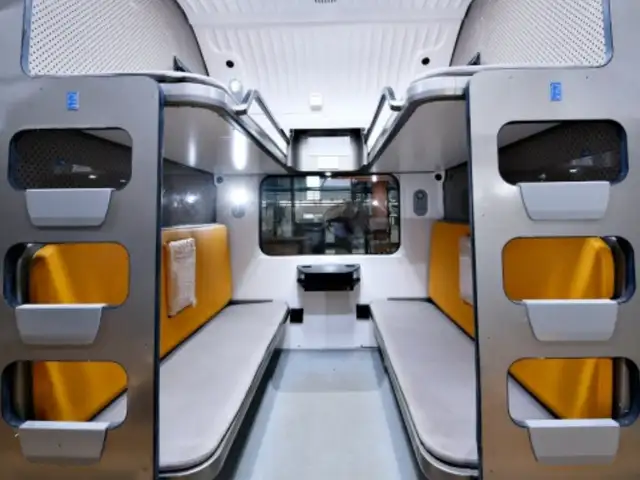
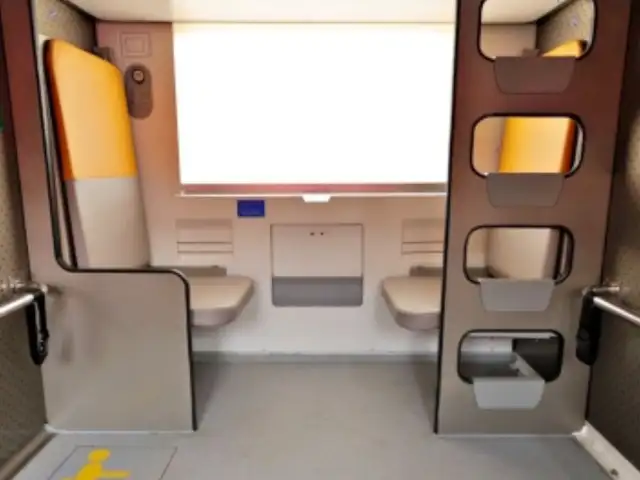
The train is expected to have 16 coaches, with a total of 823 berths. Its configuration will comprise 11 AC three-tier coaches, four AC two-tier coaches and one AC First Class coach. Unlike the existing Vande Bharat chair-car trains, which are primarily intended for daytime journeys, the sleeper version has been designed to make long-distance overnight travel more comfortable. The interiors feature cushioned berths, with changes intended to make climbing to the upper berths easier. Dedicated night lights, individual reading lights, charging points and refreshment tables are also among the planned passenger amenities.
The train is expected to have 16 coaches, with a total of 823 berths. Its configuration will comprise 11 AC three-tier coaches, four AC two-tier coaches and one AC First Class coach. Unlike the exist..
Read More
The train will incorporate several features intended to improve comfort and convenience during overnight journeys. These include a public announcement system linked to visual displays, CCTV surveillance, modular pantry units and automatic doors between coaches. Fully sealed gangways are designed to help maintain temperature control and keep the interiors clean. The train will also have modern bio-vacuum toilets. A separate toilet for passengers with disabilities is expected to include a baby-care station, while AC First Class passengers will have access to showers with hot water. A Centralised Coach Monitoring System will help monitor onboard systems. An emergency communication facility will also allow passengers to contact the train driver when required.
The train will incorporate several features intended to improve comfort and convenience during overnight journeys. These include a public announcement system linked to visual displays, CCTV surveilla..
Read More
The sleeper train has been designed to operate at speeds of up to 160 kmph, with a maximum testing speed of 180 kmph. Its actual operating speed will depend on track conditions, signalling systems and other infrastructure along the route. It will be equipped with KAVACH, India's indigenous automatic train protection system designed to help prevent collisions in specified situations. The train will also use regenerative braking, which recovers energy during braking and can improve energy efficiency. Although the train is designed for semi-high-speed operations, infrastructure limitations across parts of the Indian Railways network may affect the speeds it can achieve on individual sections.
The sleeper train has been designed to operate at speeds of up to 160 kmph, with a maximum testing speed of 180 kmph. Its actual operating speed will depend on track conditions, signalling systems an..
Read More
The proposed Bengaluru-Mumbai service is part of Indian Railways' effort to introduce sleeper versions of Vande Bharat trains for longer journeys. While the chair-car variants cater to shorter and daytime routes, sleeper trains are intended to provide a more modern option for overnight travel. Separately, the Integral Coach Factory (ICF) is developing its own version of the Vande Bharat sleeper train. The Bengaluru-Mumbai service could offer passengers a faster alternative to the existing direct train connection. However, its launch date, regular operating schedule, final fares and confirmed stoppages are still awaited.
The proposed Bengaluru-Mumbai service is part of Indian Railways' effort to introduce sleeper versions of Vande Bharat trains for longer journeys. While the chair-car variants cater to shorter and da..
Business News › Industry › Transportation › Railways › In 75 hours, India’s longest train journey takes you across 4,188 km, from Assam’s tea gardens to Kanyakumari’s coastline; watch viral videoText Size:AAA


 S7, 57: Two passengers get the same confirmed train seat from IRCTC, and it wasn't RAC: Here's what the TTE did2026-10-22T09:17:56Z


