
Hydrogen train science: Leak detectors, flame sensors and automatic fuel cut-off, how Railways has made Jind-Sonipat hydrogen train safer
1/9
Hydrogen-powered train: How ventilation and sensors improve safety
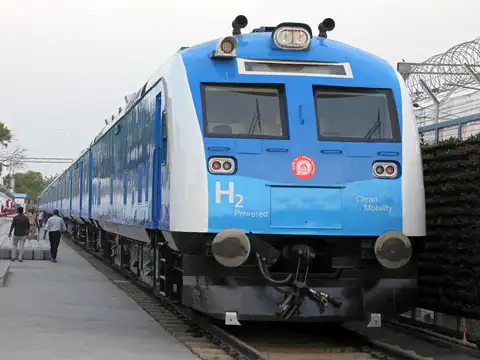
Indian Railways has introduced multiple safety systems in the country’s first indigenous hydrogen-powered train, including hydrogen leak detectors, flame sensors, continuous ventilation and an automatic fuel cut-off mechanism. The systems are designed to detect potential hazards and respond quickly, while a dedicated emergency mode allows the loco pilot to move the train to safety if required. Inaugurated on July 17, 2026, the hydrogen fuel cell-powered train is set to operate on the Jind-Sonipat section of Northern Railway. The project combines hydrogen-based propulsion with dedicated storage, refuelling and operational infrastructure as Indian Railways explores cleaner alternatives to conventional diesel traction.
2/9
How Indian Railways has made its hydrogen train safer
Hydrogen can be used to generate electricity without producing carbon dioxide at the point of use in a fuel cell. However, its safe handling requires specialised equipment because hydrogen is highly flammable and can ignite if it leaks and encounters an ignition source. Indian Railways has incorporated several safeguards across the train and its supporting infrastructure.
3/9
Hydrogen leak detectors and flame sensors
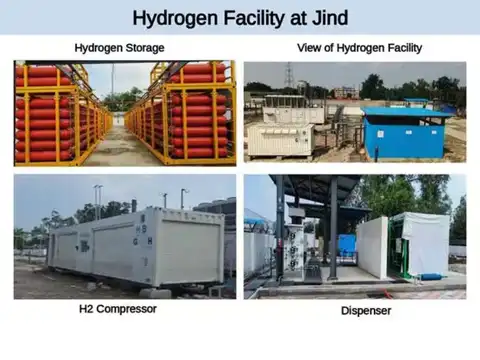
Hydrogen leak detectors have been installed at the production, storage and dispensing facilities to identify potential leaks. Flame detectors provide continuous monitoring for signs of fire, allowing the system to identify a possible hazard quickly. The safety sensors will also undergo regular inspection and cleaning to ensure they remain functional. These measures are intended to strengthen monitoring at key points in the hydrogen supply chain.
4/9
Automatic hydrogen supply cut-off
The train's safety system can automatically shut off the hydrogen supply if it detects abnormal conditions, including unusual heat, flame or smoke. Cutting off the fuel supply can help limit the amount of hydrogen reaching a potentially hazardous area. The automatic response is designed to reduce reliance on manual intervention during an emergency. It forms part of a broader safety arrangement that combines detection systems with mechanisms to isolate the fuel supply.
5/9
Continuous ventilation to prevent hydrogen build-up
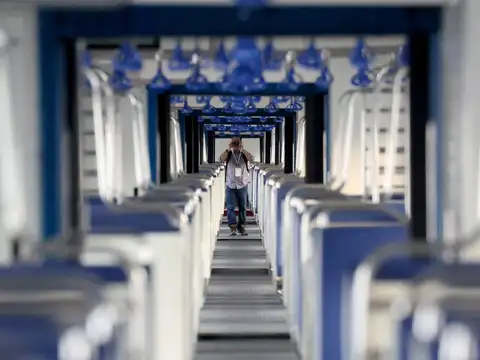
Non-stop ventilation keeps air circulating through the train. This is an important precaution because leaked hydrogen can accumulate in enclosed spaces if ventilation is inadequate. Maintaining airflow helps disperse any hydrogen that may escape, reducing the risk of a dangerous concentration building up. The ventilation system works alongside the leak detectors and other safety equipment rather than replacing them.
6/9
Emergency mode for the loco pilot
The loco pilot's cabin has a specially designed emergency mode that allows the train to be moved to safety when an abnormal situation occurs. A dedicated display also provides real-time information about the overall health of the system, helping the loco pilot monitor its operating condition. Indian Railways has prescribed inspection and maintenance schedules for the train and its associated equipment. Regular checks are intended to ensure that the safety systems remain operational throughout service.
7/9
Inside India's first indigenous hydrogen-powered train
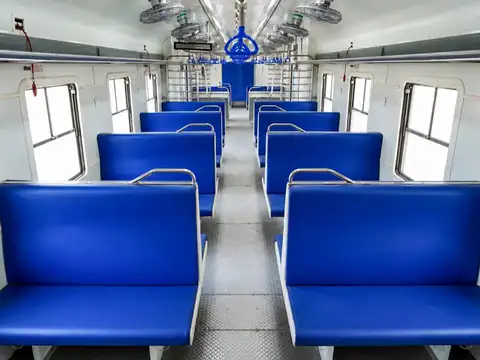
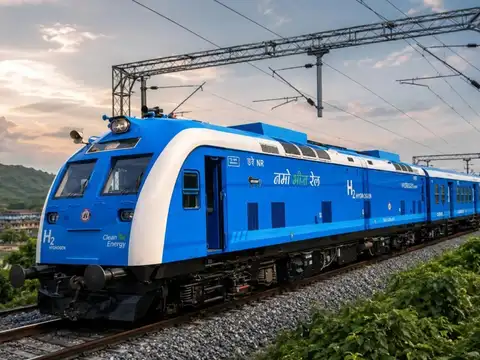
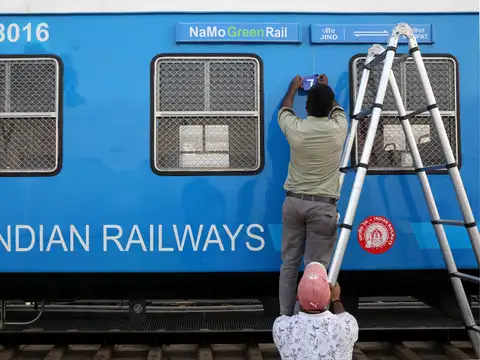
Developed in India in accordance with the design approvals and technical specifications prepared by the Research, Design and Standards Organisation (RDSO), the train is part of Indian Railways' efforts to promote indigenous technology and reduce dependence on fossil fuels. The 10-coach trainset is powered by a 1,200 kW hydrogen fuel cell propulsion system. It is approved to operate at a maximum speed of 75 kmph and has a design speed of 110 kmph. The train has a passenger capacity of around 2,600.
8/9
How hydrogen fuel cell technology works
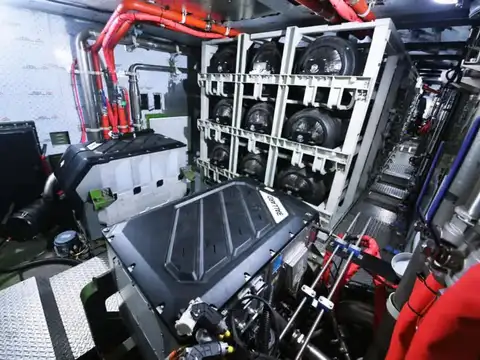
Unlike a conventional diesel locomotive, which burns fuel to power its traction system, a hydrogen fuel cell train generates electricity onboard through an electrochemical reaction. The primary energy source is a Proton Exchange Membrane Fuel Cell (PEMFC). In this system, hydrogen reacts with oxygen across a proton-conducting polymer membrane to produce electricity. Water vapour and heat are the main by-products of the reaction. Hydrogen has a high energy content by weight, at around 120 megajoules per kilogram, compared with approximately 43 megajoules per kilogram for diesel. However, its overall environmental impact depends on how the hydrogen is produced, stored and transported. Hydrogen made using renewable electricity can offer greater emissions benefits than hydrogen produced from fossil fuels. Fuel cells can also have fewer moving parts than conventional combustion engines, potentially reducing some maintenance requirements.

9/9
Why Indian Railways is exploring hydrogen trains
Hydrogen-powered trains are being explored as an alternative for railway routes where electrification may be difficult or expensive. They could help reduce dependence on diesel and lower emissions during train operation, depending on the source of hydrogen. India's project also provides an opportunity to assess the technology under domestic operating conditions, including its reliability, refuelling requirements, maintenance needs and safety performance. Countries including Germany, Japan, China and the United States have also explored hydrogen-powered rail transport. As the technology develops, experience from India's pilot project could help Indian Railways evaluate whether it can be used on other routes.