75-day traffic & power block: From October 1, 8 Mumbai-bound trains to be short-terminated as CSMT redevelopment resumes
Central Railway will impose a 75-day traffic and power block at CSMT from October 1 to December 15 for redevelopment work, affecting platforms 14 and 15. Eight long-distance trains will be short-terminated at Dadar and Thane during the period. The...
By ET Online |
Central Railway will introduce a 75-day traffic and power block at Chhatrapati Shivaji Maharaj Terminus (CSMT) from October 1 to December 15 as work continues on the redevelopment of the iconic Mumbai railway station.
The block, covering platforms 14 and 15 along with stabling line 15, will affect the movement of several long-distance trains. Eight services will be short-terminated at Dadar or Thane during the construction period.
Read more - Indian Coast Guard catches Pakistanis in Iranian dhow with 526 kg drugs: How maritime border agency busted a Rs 3,000 crore narcotics haul in Arabian Sea
The affected services are:

The latest traffic and power block is part of Phase-I of the CSMT redevelopment being carried out by the Rail Land Development Authority (RLDA).
Construction teams will undertake foundation work and other essential activities around platforms 14 and 15 and stabling line 15. Train operations from the two platforms will remain suspended while the work is in progress.
Once the block is completed, RLDA will hand over platforms 14 and 15 to Central Railway for train operations.
That block started on February 1 and was originally planned for 85 days, ending on April 26. It was later extended several times and continued until September 5, according to Central Railway.
At different stages during the earlier closure, around 10-14 long-distance trains were short-terminated at Dadar and Thane.
The railway had sought the full restoration of platforms 16 and 17 before further platforms were taken up for construction, citing the possibility of additional disruption to long-distance services.
With platforms 14 and 15 now being taken up, train operations will be adjusted for the duration of the latest block.
Plans include new buildings, an elevated deck linking platforms, upgraded passenger facilities and commercial spaces.
The original deadline for completing the redevelopment was March 2026. It has since been extended to October 2028.
Passengers travelling on the eight affected long-distance services should check their revised train arrangements and plan for the short termination at Dadar or Thane. Central Railway has advised passengers to make necessary arrangements in view of the temporary changes.
Inputs from TOI
The block, covering platforms 14 and 15 along with stabling line 15, will affect the movement of several long-distance trains. Eight services will be short-terminated at Dadar or Thane during the construction period.
Read more - Indian Coast Guard catches Pakistanis in Iranian dhow with 526 kg drugs: How maritime border agency busted a Rs 3,000 crore narcotics haul in Arabian Sea
CSMT redevelopment: 8 long-distance trains affected
Seven trains arriving at CSMT will now be short-terminated at Dadar, while the Mangaluru-CSMT Express will terminate at Thane.The affected services are:
- 11002 Ballarshah-CSMT Nandigram Express — Dadar
- 12810 Howrah-CSMT Express — Dadar
- 12112 Amravati-CSMT Express — Dadar
- 11020 Bhubaneswar-CSMT Konark Express — Dadar
- 22120 Madgaon-CSMT Tejas Express — Dadar
- 22144 Bidar-CSMT Express — Dadar
- 22108 Latur-CSMT Express — Dadar
- 12134 Mangaluru-CSMT Express — Thane
ADVERTISEMENT
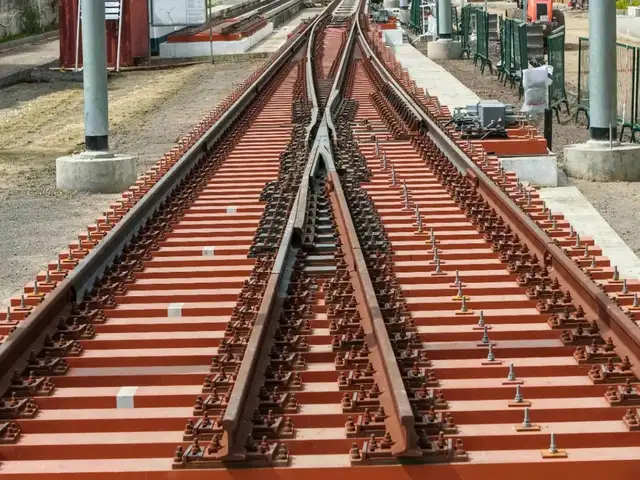
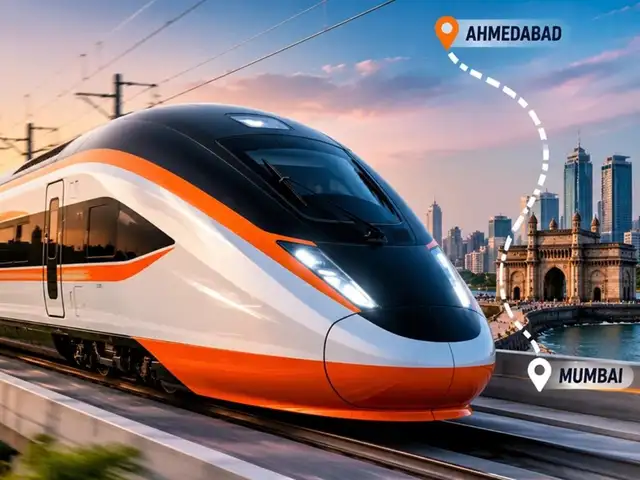
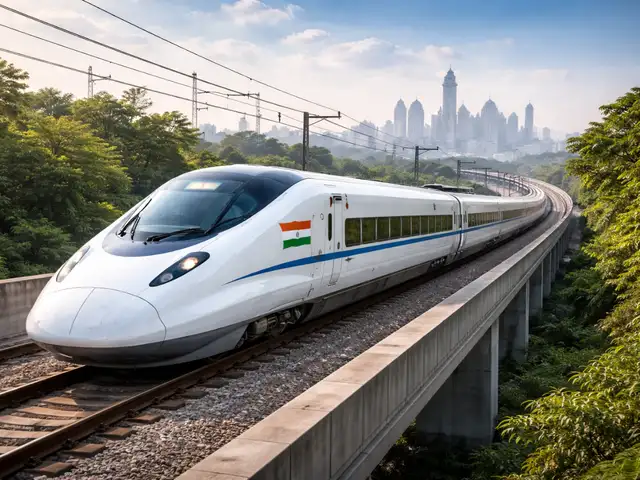
India’s first bullet train project is moving closer to its trial-run stage, with the indigenous high-speed train expected to begin testing on the Mumbai-Ahmedabad corridor in May or June 2027. The project is aimed at cutting travel time between major cities and bringing high-speed rail travel to India for the first time.


The latest traffic and power block is part of Phase-I of the CSMT redevelopment being carried out by the Rail Land Development Authority (RLDA).
Construction teams will undertake foundation work and other essential activities around platforms 14 and 15 and stabling line 15. Train operations from the two platforms will remain suspended while the work is in progress.
Once the block is completed, RLDA will hand over platforms 14 and 15 to Central Railway for train operations.
ADVERTISEMENT
CSMT platforms 16 and 17 were closed earlier
The latest disruption follows an extended block on platforms 16 and 17 for the same redevelopment project.That block started on February 1 and was originally planned for 85 days, ending on April 26. It was later extended several times and continued until September 5, according to Central Railway.
ADVERTISEMENT
At different stages during the earlier closure, around 10-14 long-distance trains were short-terminated at Dadar and Thane.
Central Railway had raised concerns over train operations
The next phase of construction has been a concern for Central Railway because platforms 14 and 15 handle around 16-18 long-distance services each day.The railway had sought the full restoration of platforms 16 and 17 before further platforms were taken up for construction, citing the possibility of additional disruption to long-distance services.
With platforms 14 and 15 now being taken up, train operations will be adjusted for the duration of the latest block.
CSMT redevelopment project: Cost, deadline and plans
The Rs 2,450-crore CSMT redevelopment project was approved by the Union Cabinet in 2022. The project aims to turn the terminus into an integrated transport hub while preserving the heritage character of its main Victorian Gothic building.Plans include new buildings, an elevated deck linking platforms, upgraded passenger facilities and commercial spaces.
The original deadline for completing the redevelopment was March 2026. It has since been extended to October 2028.
CSMT train services: What passengers should know
The latest traffic and power block will remain in force from October 1 to December 15.Passengers travelling on the eight affected long-distance services should check their revised train arrangements and plan for the short termination at Dadar or Thane. Central Railway has advised passengers to make necessary arrangements in view of the temporary changes.
Inputs from TOI
Start a SIP with as low as ₹500 with ET Money App!
Download
The Economic Times News App for Quarterly Results, Latest News in ITR, Business, Share Market, Live Sensex News & More.
The Economic Times News App for Quarterly Results, Latest News in ITR, Business, Share Market, Live Sensex News & More.
ADVERTISEMENT


