
7 bullet train corridors that will transform train travel in India: Journeys that take hours today could soon take just 48 minutes
1/7
Seven bullet train corridors
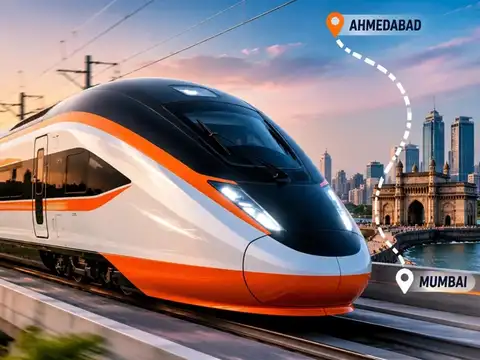
Indian Railways is planning a major expansion of high-speed rail connectivity, with seven proposed corridors expected to slash journey times between some of the country's biggest cities. The proposed routes include Delhi-Varanasi, Mumbai-Pune and Chennai-Bengaluru, with travel times projected to fall to less than four hours, 48 minutes and around 73 minutes, respectively. Announced in the Union Budget 2026-27, the corridors are intended to improve passenger mobility, connect economic centres and support regional development.
2/7
Seven high-speed rail corridors announced in Budget 2026
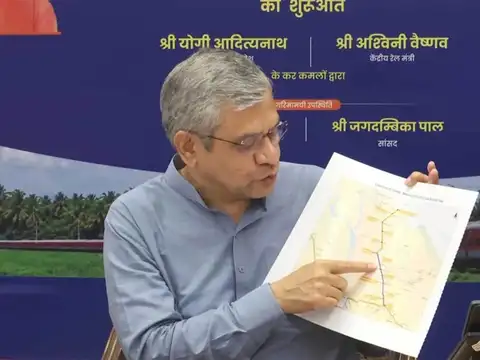
Finance Minister Nirmala Sitharaman announced the seven corridors while presenting the Union Budget, describing them as “growth connectors”. The proposed routes are Delhi-Varanasi, Mumbai-Pune, Pune-Hyderabad, Hyderabad-Bengaluru, Hyderabad-Chennai, Chennai-Bengaluru and Varanasi-Siliguri. The plan is aimed at promoting environmentally sustainable passenger transport while strengthening links between major cities and surrounding regions. However, the projected journey times are planning estimates, and the corridors will require further development before passengers can use them.

3/7
Delhi-Varanasi in 3 hours 50 minutes, Mumbai-Pune in 48 minutes
The Delhi-Varanasi corridor is expected to reduce travel time between the national capital and the Uttar Pradesh city to around three hours and 50 minutes. It could improve access to religious and tourist destinations while strengthening links across northern and eastern India. The proposed Mumbai-Pune corridor is expected to bring the journey down to about 48 minutes, improving connectivity between Maharashtra's two major urban centres. Faster rail links could also support business travel and reduce pressure on existing transport routes, although the final benefits will depend on the project's design, stations and operating arrangements.
4/7
Pune-Hyderabad and Hyderabad-Bengaluru to improve southern connectivity
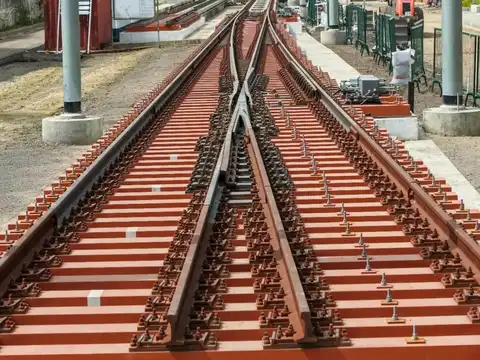
The proposed Pune-Hyderabad corridor is expected to cut travel time to around one hour and 55 minutes, linking Maharashtra and Telangana more quickly. Hyderabad-Bengaluru, meanwhile, is projected to take about two hours, creating a faster connection between two major technology, manufacturing and services hubs. Together, the routes could improve inter-city mobility for business travellers and other passengers while strengthening economic links across western and southern India. Their actual impact will depend on the eventual alignment, station locations and how the services connect with existing transport networks.
5/7
Hyderabad-Chennai, Chennai-Bengaluru and Varanasi-Siliguri routes
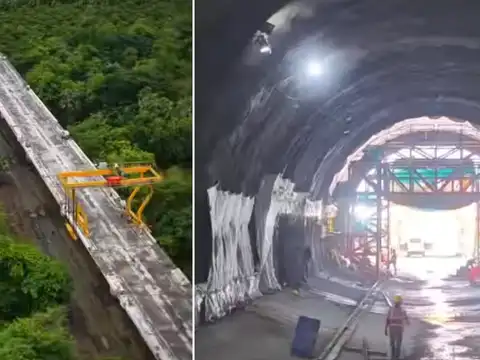
The Hyderabad-Chennai corridor is expected to bring the journey down to around two hours and 55 minutes, while Chennai-Bengaluru is projected to take approximately one hour and 13 minutes. The two routes are intended to strengthen links between major southern cities and their surrounding economic regions. The seventh corridor, Varanasi-Siliguri via Patna, is expected to reduce the journey to around two hours and 55 minutes. It could improve connectivity to religious, educational and medical centres across Uttar Pradesh, Bihar and West Bengal. These timings remain projections rather than confirmed journey schedules for operational services.
6/7
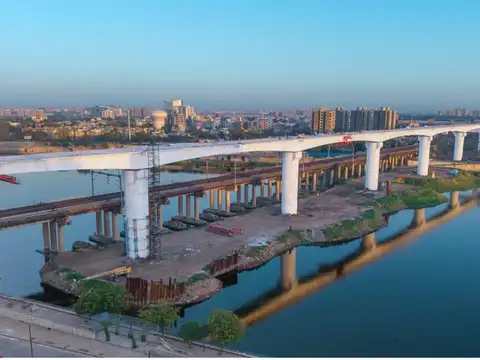
India's first bullet train corridor between Mumbai and Ahmedabad
The seven proposed corridors would expand India's high-speed rail ambitions beyond the Mumbai-Ahmedabad bullet train project, which is already under development. The Mumbai-Ahmedabad High-Speed Rail corridor is designed for trains operating at speeds of up to 320 kmph. Indian Railways is also preparing for the introduction of domestically manufactured high-speed trains, with BEML developing two trainsets for testing. The trains are expected to roll out for testing in the first half of 2027, according to the plans outlined for the project. A section of the Mumbai-Ahmedabad corridor has been targeted for opening in Gujarat by August 2027, although the timeline remains subject to construction and testing progress.
7/7
What the proposed high-speed rail network could mean for passengers
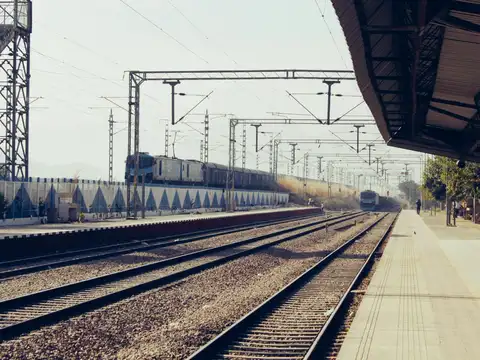
If developed as planned, the seven corridors could significantly reduce travel times between major cities, making rail a more competitive option for inter-city journeys. They could also improve access to jobs, education, healthcare and tourist destinations while supporting economic activity across connected regions. However, the timelines for construction and the start of passenger services will depend on project planning, approvals, funding, land acquisition and construction schedules.