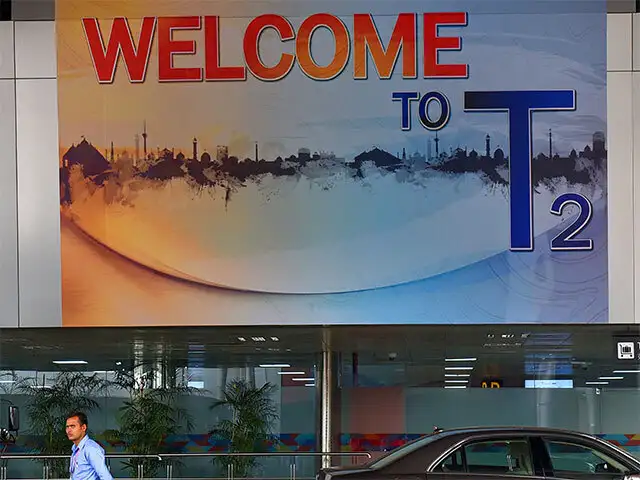
NEW DELHI: As it opens for domestic flights on Saturday evening, it could be a walk down memory lane for old-timers using IGI’s Terminal 2.
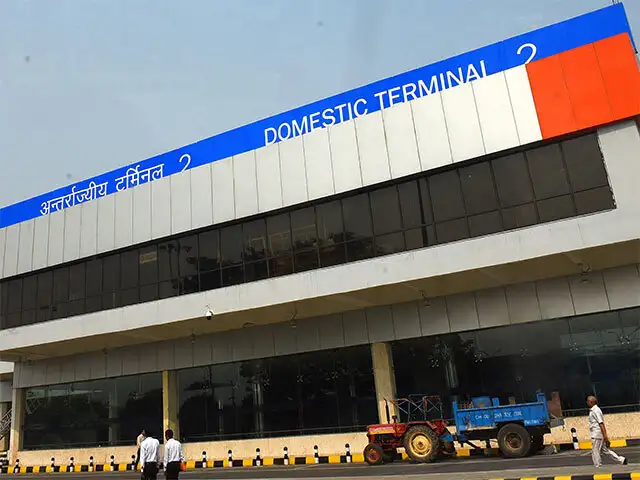
Opened in 1982 as an international terminal, this regular brick and mortar structure was as glamorous as any desi international airport could be. But it was “mothballed” in May 2010 when Terminal 3 became operational nearby. And glitzy glass and steel structures became the new standard for airports.
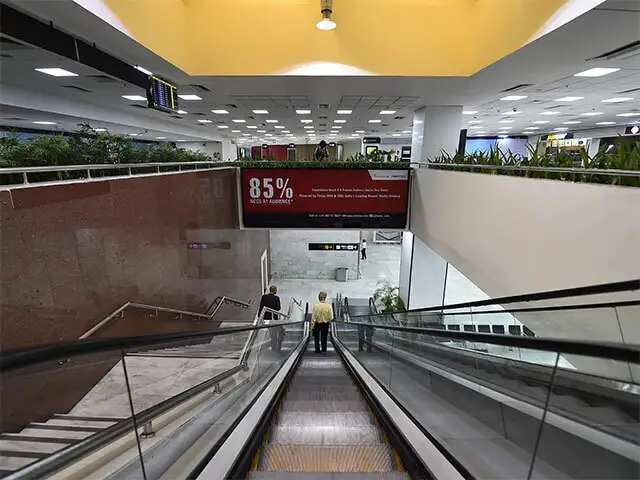
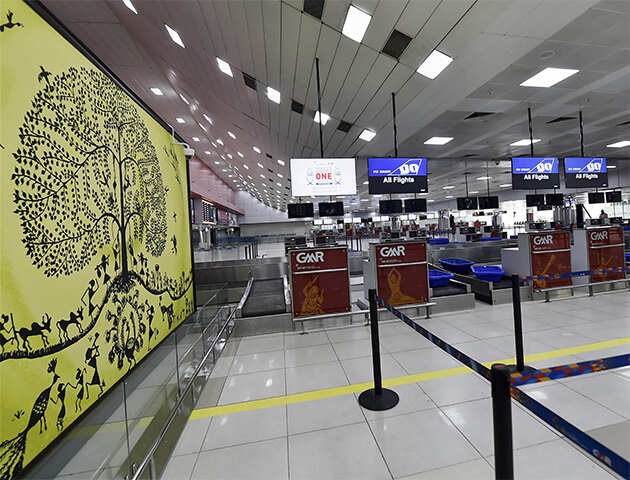
Seven years hence, as TOI entered the terminal on Friday, we were struck by the openness of the place as the immigration desks that once divided the fairly large hall for check-ins have all disappeared. A little ahead of it are the security checks. The airline lounges located at the end of a grand staircase beyond the immigration desks have been closed.
Now that T2 is all domestic, its passenger-handling capacity has also gone up. “As an international terminal, T2 could handle 90 lakh passengers every year. Now, as a domestic terminal, it can handle 1.2 crore passengers annually,” said Delhi International Airport Pvt Ltd (DIAL) CEO I P Rao.
ADVERTISEMENT
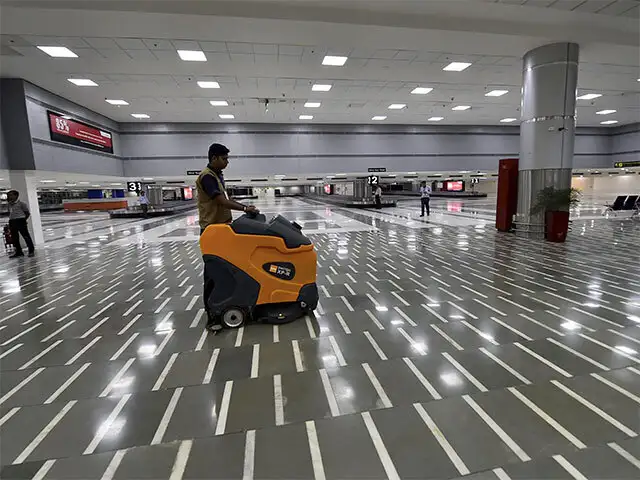
DIAL claims to have spent Rs 100 crore on making T2 usable again for regular flights. It also says that it would spend Rs 65-70 crore annually on maintenance. The most visible changes are the absence of the black, dotted rubber mat flooring. The airport operator has now opted for tiles — unlike the much-disliked carpet at neighbouring T3 — due to which moving with trolley bags would be a song. All the electric fittings, air conditioning and plumbing have been changed.
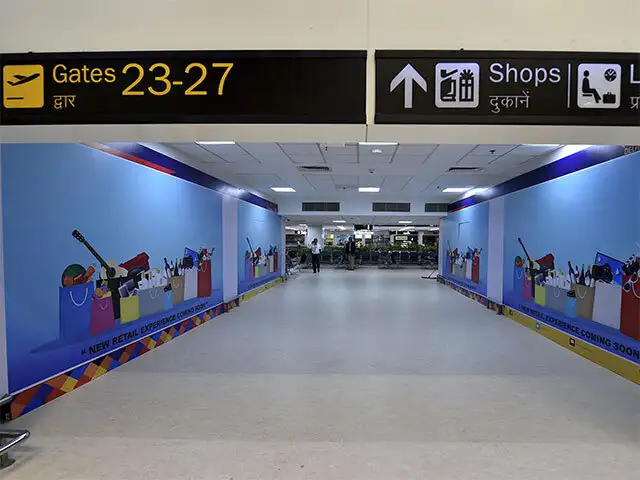
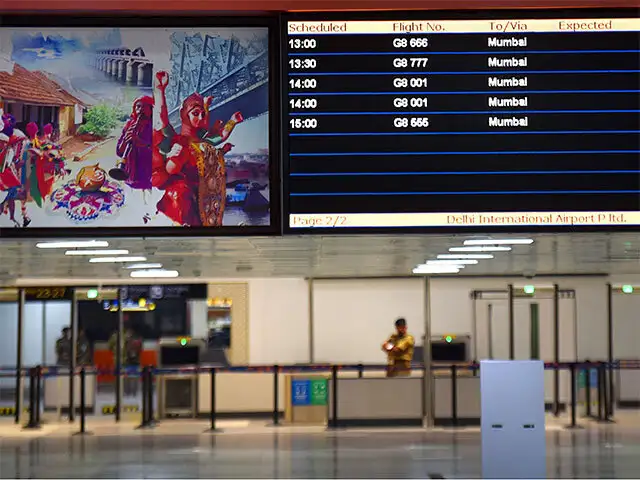
Once you clear security checks and then stand in the hallway leading to the boarding section, you suddenly realise that the terminal, which seemed big as long as it was operational, is now dwarfed by its younger cousins in Delhi, Mumbai and Hyderabad. Proceeding to the boarding area reinforces this fact as parts of it are still out of bounds.
The six aerobridges will take GoAir passengers straight to their aircraft. And the big staircase would lead to the lower level to the eight bays from where flyers would board buses to board aircraft.
ADVERTISEMENT
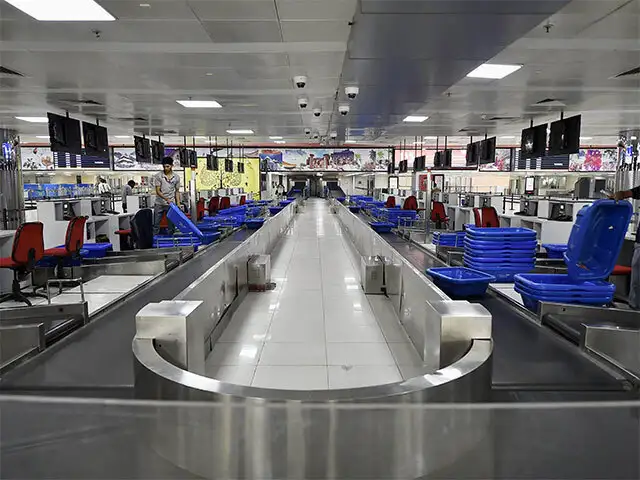
On the arrival section, things are more or less the same as they were until 2010 save one difference. When coming down from the first level—that is, if you use an aerobridge to deboard—you would no longer be required to stand at the immigration counters that once occupied both sides of the hall. Instead, as domestic flyers, you would straightaway head to the hive conveyor belts or carousels, which seem very long. And these appear long because of a reason: these were built to handle loads of wide-body aircraft like Boeing 747s. But now, these would handle baggage of the much smaller, single-aisle Airbus 320s of GoAir. The art work on the panels above the conveyor belts have been redone.
Duty-free shops, which in the past used to mainly sell alcohol, perfumes and chocolates, have disappeared from both departure and arrival levels. Window-shopping at those places would be sorely missed. Currency exchange counters have also vanished.
ADVERTISEMENT
Old-timers would also remember this terminal once teem with customs officials. Till the economy was opened up and imported consumer durables started becoming available in India, customs officials used to target passengers coming on “TV, video, music system wali flights” from Singapore, Hong Kong and Dubai.
7 years after flying into history, T2 to take off again with new wings
1/9
As it opens for domestic flights on Saturday evening, it could be a walk down memory lane for old-timers using IGI's Terminal 2.
Opened in 1982 as an international terminal, this regular brick and mortar structure was as glamorous as any desi international airport could be. But it was "mothballed" in May 2010 when Terminal 3 became operational nearby. And glitzy glass and steel structures became the new standard for airports.
As it opens for domestic flights on Saturday evening, it could be a walk down memory lane for old-timers using IGI's Terminal 2.
Opened in 1982 as an international terminal, this regular brick and m..
Read More
Now that T2 is all domestic, its passenger-handling capacity has also gone up. "As an international terminal, T2 could handle 90 lakh passengers every year. Now, as a domestic terminal, it can handle 1.2 crore passengers annually," said Delhi International Airport Pvt Ltd (DIAL) CEO I P Rao.
Now that T2 is all domestic, its passenger-handling capacity has also gone up. "As an international terminal, T2 could handle 90 lakh passengers every year. Now, as a domestic terminal, it can handle..
Read More
DIAL claims to have spent Rs 100 crore on making T2 usable again for regular flights. It also says that it would spend Rs 65-70 crore annually on maintenance. The most visible changes are the absence of the black, dotted rubber mat flooring. The airport operator has now opted for tiles — unlike the much-disliked carpet at neighbouring T3 — due to which moving with trolley bags would be a song. All the electric fittings, air conditioning and plumbing have been changed.
DIAL claims to have spent Rs 100 crore on making T2 usable again for regular flights. It also says that it would spend Rs 65-70 crore annually on maintenance. The most visible changes are the absence..
Read More
Once you clear security checks and then stand in the hallway leading to the boarding section, you suddenly realise that the terminal, which seemed big as long as it was operational, is now dwarfed by its younger cousins in Delhi, Mumbai and Hyderabad.
The six aerobridges will take GoAir passengers straight to their aircraft. And the big staircase would lead to the lower level to the eight bays from where flyers would board buses to board aircraft.
Once you clear security checks and then stand in the hallway leading to the boarding section, you suddenly realise that the terminal, which seemed big as long as it was operational, is now dwarfed by..
Read More
On the arrival section, things are more or less the same as they were until 2010 save one difference. When coming down from the first level—that is, if you use an aerobridge to deboard—you would no longer be required to stand at the immigration counters that once occupied both sides of the hall. Instead, as domestic flyers, you would straightaway head to the conveyor belts or carousels, which seem very long.
On the arrival section, things are more or less the same as they were until 2010 save one difference. When coming down from the first level—that is, if you use an aerobridge to deboard—you would no l..
Read More
The carousels appear long because of a reason: these were built to handle loads of wide-body aircraft like Boeing 747s. But now, these would handle baggage of the much smaller, single-aisle Airbus 320s of GoAir. The art work on the panels above the conveyor belts have been redone.
The carousels appear long because of a reason: these were built to handle loads of wide-body aircraft like Boeing 747s. But now, these would handle baggage of the much smaller, single-aisle Airbus 32..
Read More
Terminal-2 at IGI will become functional from October 28 when the first GoAir flight arrives from Ranchi at 10.05pm. GoAir has shifted operations completely to T2; IndiGo and Spicejet yet to decide on a move.
Terminal-2 at IGI will become functional from October 28 when the first GoAir flight arrives from Ranchi at 10.05pm. GoAir has shifted operations completely to T2; IndiGo and Spicejet yet to decide o..
Read More
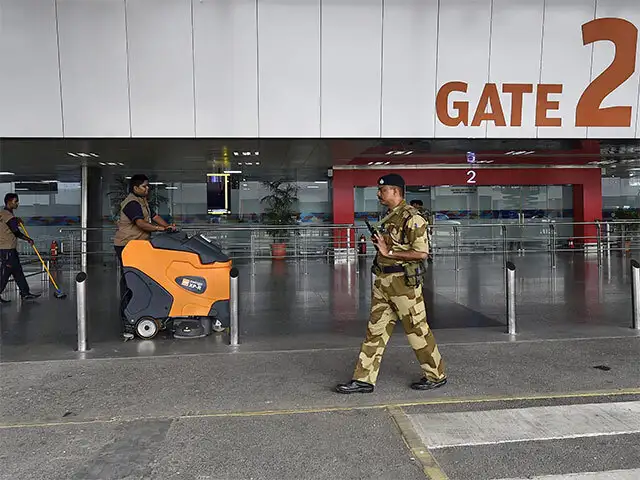
The new terminal has seen deployment of around 450 CISF personnel. This could go up to 560 if there is an increase in load, said a CISF official. This takes the total number of CISF personnel deployed at IGI Airport to over 5,000.
The new terminal has seen deployment of around 450 CISF personnel. This could go up to 560 if there is an increase in load, said a CISF official. This takes the total number of CISF personnel deploye..
Read More
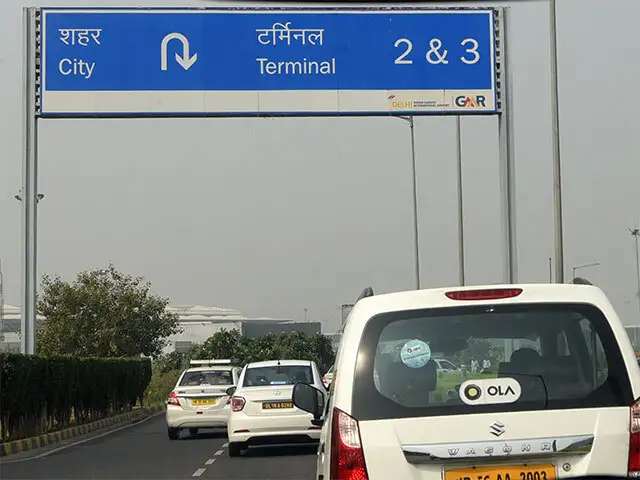
Radio taxis, and black & yellow taxi services available. It will also have inter-terminal connectivity shuttle service. T2 is connected to Airport Metro Line and and is at a walking distance from T3 metro station. Terminal 2 will also have dedicated parking for staff and passengers.
Text inputs: Saurabh Sinhal
Radio taxis, and black & yellow taxi services available. It will also have inter-terminal connectivity shuttle service. T2 is connected to Airport Metro Line and and is at a walking distance from T3 ..

 On This Day in History, July 1: Terminator 2 premiers, Dominion of Canada is formed, Bretton Woods Conference opens, Hong Kong returns to China, Sony Walkman debuts, Princess Diana is born and other key events2026-06-30T18:00:06Z