Budget 2015: Retail sector wants more FDI, less taxes
Experts want Budget 2015 to make provisions to recognise the sector's contribution to the economy and plan for further growth to boost business.
Updated:
By Apeksha Kaushik, TimesJobs.com Bureau
India's retail sector has seen many changes in the last decade and is regarded as one of the pillars of the economy. It accounts for 14-15 per cent of the GDP and employs about 40 million people.
Thus, experts want Budget 2015 to make provisions to recognise the sector's contribution to the economy and plan for further growth to boost business and employment.
Jobs, jobs & jobs
The retail industry has been significantly contributing to the GDP, employment and the economy. In fact, it is considered one of the largest employers in India and is growing at a tremendous pace.
However, to keep the ball rolling, the industry seeks resources to help attract the right talent. "Anyone would want to catch the right talent at the right place. The upcoming retail nationalised policy can help in this," Sushma Sahai, HR head, Baggit India, told TimesJobs.
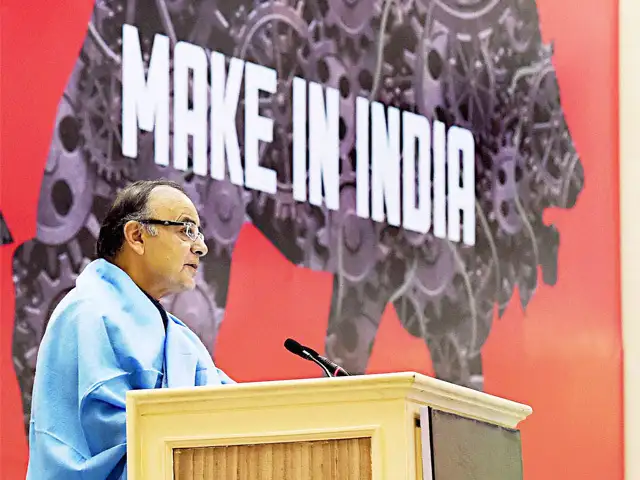
Employment is also expected from the 'Make in India' campaign. "We trust this will provide a huge scope for investment in the retail sector supported by new policies that can push hiring," Sahai said.
Investment focus
Another focus area would be promotion of investment in 'Make in India' and its consonance with the proposed Goods and Service Tax ( GST). "My expectation would be upon allowing FDI in multi-brand retail and e-commerce sectors. Also some reforms in direct and indirect taxation slabs would definitely help the common man," Barkat Charania, CEO, Beyond Talent Management Pvt Ltd told TimesJobs.
Clarity on FDI status in multi-brand retail and e-commerce sectors would decide expansion and hiring plans. "With reforms in the real estate sector and growth of e-commerce and e-retail sectors, the number of job openings produced in 2015-16 would be much more than what we have seen in 2014-15," added Charania.
No barrier to growth
India Inc has lot of hope from the government and specifically from this budget to have an attractive business environment by creating feasibility and reforming the tax regime. "While FDI is crucial for retail, insurance and banking, startups, e-commerce and IT companies will also be looking for straight compliances to create vibrancy in the market for the industry as well as consumers," said Sunil Goel, MD, GlobalHunt.
Tax relaxation at industry levels will increase buying power which will boost the consumer goods and services industry. "In general, the industry is not looking for subsidies from the government. It wants a hassle-free environment to start, operate and expand the business," explained Goel.
India's retail sector has seen many changes in the last decade and is regarded as one of the pillars of the economy. It accounts for 14-15 per cent of the GDP and employs about 40 million people.
Thus, experts want Budget 2015 to make provisions to recognise the sector's contribution to the economy and plan for further growth to boost business and employment.
Jobs, jobs & jobs
The retail industry has been significantly contributing to the GDP, employment and the economy. In fact, it is considered one of the largest employers in India and is growing at a tremendous pace.
However, to keep the ball rolling, the industry seeks resources to help attract the right talent. "Anyone would want to catch the right talent at the right place. The upcoming retail nationalised policy can help in this," Sushma Sahai, HR head, Baggit India, told TimesJobs.
ADVERTISEMENT
Employment is also expected from the 'Make in India' campaign. "We trust this will provide a huge scope for investment in the retail sector supported by new policies that can push hiring," Sahai said.
Investment focus
Another focus area would be promotion of investment in 'Make in India' and its consonance with the proposed Goods and Service Tax ( GST). "My expectation would be upon allowing FDI in multi-brand retail and e-commerce sectors. Also some reforms in direct and indirect taxation slabs would definitely help the common man," Barkat Charania, CEO, Beyond Talent Management Pvt Ltd told TimesJobs.
Clarity on FDI status in multi-brand retail and e-commerce sectors would decide expansion and hiring plans. "With reforms in the real estate sector and growth of e-commerce and e-retail sectors, the number of job openings produced in 2015-16 would be much more than what we have seen in 2014-15," added Charania.
ADVERTISEMENT
No barrier to growth
India Inc has lot of hope from the government and specifically from this budget to have an attractive business environment by creating feasibility and reforming the tax regime. "While FDI is crucial for retail, insurance and banking, startups, e-commerce and IT companies will also be looking for straight compliances to create vibrancy in the market for the industry as well as consumers," said Sunil Goel, MD, GlobalHunt.
ADVERTISEMENT
Tax relaxation at industry levels will increase buying power which will boost the consumer goods and services industry. "In general, the industry is not looking for subsidies from the government. It wants a hassle-free environment to start, operate and expand the business," explained Goel.
Start a SIP with as low as ₹500 with ET Money App!
Download
The Economic Times News App for Quarterly Results, Latest News in ITR, Business, Share Market, Live Sensex News & More.
The Economic Times News App for Quarterly Results, Latest News in ITR, Business, Share Market, Live Sensex News & More.
Related Articles
 Corporate India’s overseas FDI commitments halve in May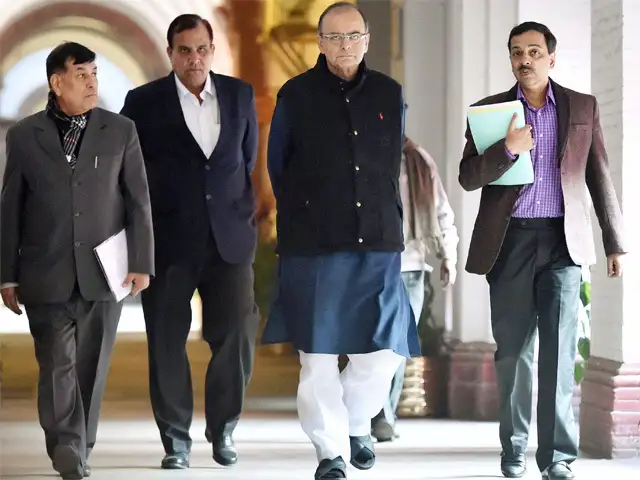
Text: ET Bureau
ET looks at the recent speeches of finance minister Arun Jaitley for clues to the budget for FY16. The budget is widely expected to lay down the agenda for the remaining four years of the Narendra Modi government.
In Pic: Jaitley arrives at the Pre-Budget Consultation with the representatives of Trade Union, in New Delhi.
ET looks at the recent speeches of finance minister Arun Jaitley for clues to the budget for FY16. The budget is widely expected to lay down the agenda for the remaining four years of the Narendra Modi government.
In Pic: Jaitley arrives at the Pre-Budget Consultation with the representatives of Trade Union, in New Delhi.