
Pets safe no more? Cats can get coronavirus too!
1/5
Coronavirus: Now, pets are also suspects
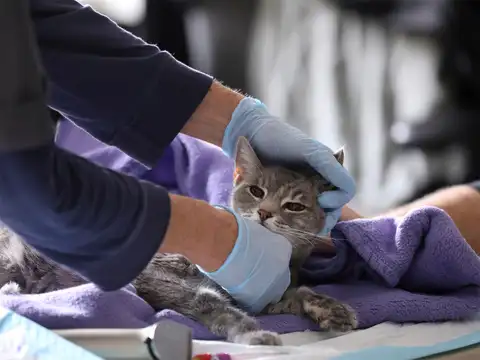
As the coronavirus pandemic rages across the world and infects humans indiscriminately, one consolation that it isn’t affecting pets is also now suspect. According to a study published on the website of the journal Science, cats can be infected with the novel coronavirus. This has prompted the World Health Organization to issue a statement saying that it will take a closer look at transmission of the virus between humans and pets.

2/5
No petting the pet
Cats can become infected with the new coronavirus but dogs appear not to be vulnerable. The study also discovered that ferrets too can be affected. The animals which are possibly immune to this virus include dogs, chickens, pigs, and ducks. Except for a few reported cases of infections among cats and dogs, there isn’t any strong evidence showing that pets can be carriers.
3/5
Tigers too!
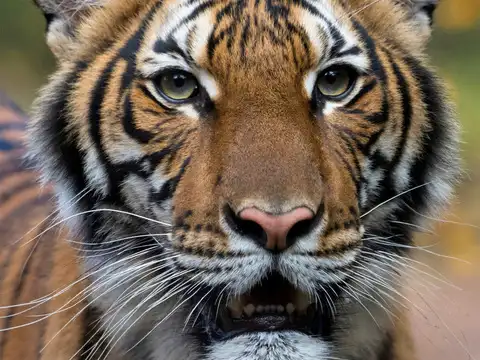
A tiger at the Bronx Zoo in New York City who developed a dry cough and loss of appetite after contact with an infected zookeeper tested positive for the coronavirus on Sunday. This has prompted fears across the world’s zoos where these protected big cats are kept.
Amazon Top Deals
POWERED BY

Crompton Ozone 75 Litres Desert Air Cooler for home | Large & Easy Clean Ice Chamber | 4-Way Air Deflection | High Density Honeycomb Pads | Everlast Pump | Auto Fill| 3 Year Brand Warranty
₹9,798Buy Now43%
OFF

LG 32 L Convection Microwave Oven (MC3286BRUM, Black, 360° Motorised Rotisserie for Bar-be-queing, 301 Auto Cook Menu, Stainless steel cavity, Indian Cuisine, Tandoor Se, Steam Clean & Diet Fry)
₹18,490Buy Now23%
OFF

4/5
The results of the study
The study was conducted in China in the months of January and February. It found that cats and ferrets were highly susceptible to the virus when researchers attempted to infect the animals by introducing viral particles via the nose. The study was aimed at identifying which animals are vulnerable to the virus so they can be used to test experimental vaccines to fight the COVID-19 pandemic.
5/5
Alarming facts
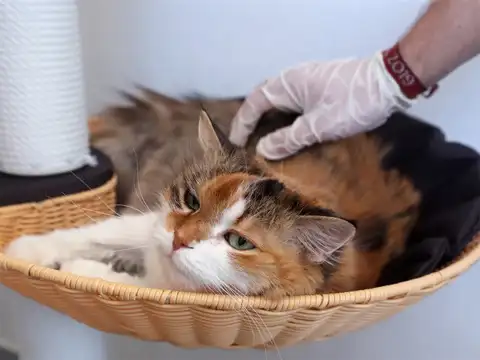
The authors of the study also noted that cats can infect each other via respiratory droplets. Infected cats had viruses in the mouth, nose and small intestine. Kittens exposed to the virus had massive lesions in their lungs, nose and throat.