Make in India: With defence budget set to touch $130 billion in eight years, experts urge HAL to revitalise itself
"Now is the time they need to encourage the private sector -large, medium and small -to work with them and create a win-win situation," they say.
BENGALURU: With India's defence budget expected to touch $130 billion in the next eight years, calls a regrowing louder for the Hindustan Aeronautics Limited -the premier defence manufacturer -to proactively join hands with the private sector as a move to revitalise itself. Industry experts believe that encouraging private players in defence manufacture -a space that was opened up for them way back in 2001 -would only commensurate Prime Minister Narendra Modi's Rs Make In India' mantra and allow local industries to become globally competitive.
"It (HAL) has done a lot of service to Indian aerospace, but they've also failed to capitalise on opportunities due to a very complex combination of factors and reasons. Now is the time they need to encourage the private sector -large, medium and small -to work with them and create a win-win situation," says 66year old Raj Narayan, an ex-HAL employee, who now owns Radel Advanced Technology , a design and manufacturing service provider in aerospace and defence.
"HAL tends to do the entire manu facturing themselves. They need to offload more to the supplier ecosystem and focus on the final assembly of parts," said Aravind Melligiri, CEO of Aequs, India's largest integrated aerospace components maker. To illustrate, Melligiri said HAL is no different from the likes of Boeing and Airbus.
All make aircraft, but the manner in which they are restructured makes all the difference, he said. In the recent past, both Airbus and Boeing have restructured their subassembly divisions to achieve a faster and throughput, something that he believes HAL should do.
"An aircraft is a complex vehicle with a range of complex avionics systems involved. The ecosystem has been restricted to HAL, because of which our MSMEs are not being able to compete globally," says Narayan.
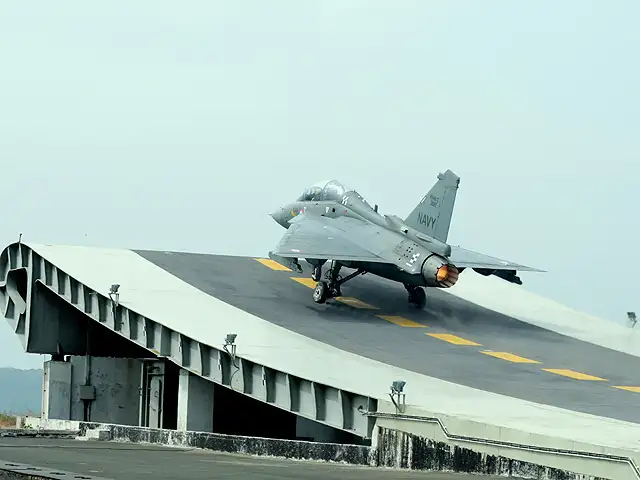
Development of India's own Light Combat Aircraft (LCA), later christened as Tejas, was initiated in 1983 to replace the ageing MiG-21s in the Indian Air Force combat fleet. But the HAL missed several deadlines, only to handover the first Tejas to the air force in January, ending a 32year wait. India spent a whopping Rs 83,458.31 crore on arms imports between 2009 to 2013, which is a "stark reminder of how far India is from the objective of substantive self-reliance in defence production," says Laxman Kumar Behera from the New Delhi-based Institute for Defence Studies and Analyses (IDSA).
"I know it is a politically-sensitive issue, but the government has to think how HAL can be privatised," said Behera, an IDSA research fellow specialising in defence procurement and military spending.
"Defence production in most countries is entirely private. This is the way to go forward in the long-term."
As an immediate measure, Behera feels HAL needs to inculcate corporate governance and that the government should have little say in its controlling board.
"It (HAL) has done a lot of service to Indian aerospace, but they've also failed to capitalise on opportunities due to a very complex combination of factors and reasons. Now is the time they need to encourage the private sector -large, medium and small -to work with them and create a win-win situation," says 66year old Raj Narayan, an ex-HAL employee, who now owns Radel Advanced Technology , a design and manufacturing service provider in aerospace and defence.
"HAL tends to do the entire manu facturing themselves. They need to offload more to the supplier ecosystem and focus on the final assembly of parts," said Aravind Melligiri, CEO of Aequs, India's largest integrated aerospace components maker. To illustrate, Melligiri said HAL is no different from the likes of Boeing and Airbus.
All make aircraft, but the manner in which they are restructured makes all the difference, he said. In the recent past, both Airbus and Boeing have restructured their subassembly divisions to achieve a faster and throughput, something that he believes HAL should do.
"An aircraft is a complex vehicle with a range of complex avionics systems involved. The ecosystem has been restricted to HAL, because of which our MSMEs are not being able to compete globally," says Narayan.
Development of India's own Light Combat Aircraft (LCA), later christened as Tejas, was initiated in 1983 to replace the ageing MiG-21s in the Indian Air Force combat fleet. But the HAL missed several deadlines, only to handover the first Tejas to the air force in January, ending a 32year wait. India spent a whopping Rs 83,458.31 crore on arms imports between 2009 to 2013, which is a "stark reminder of how far India is from the objective of substantive self-reliance in defence production," says Laxman Kumar Behera from the New Delhi-based Institute for Defence Studies and Analyses (IDSA).
ADVERTISEMENT
"I know it is a politically-sensitive issue, but the government has to think how HAL can be privatised," said Behera, an IDSA research fellow specialising in defence procurement and military spending.
"Defence production in most countries is entirely private. This is the way to go forward in the long-term."
As an immediate measure, Behera feels HAL needs to inculcate corporate governance and that the government should have little say in its controlling board.
Start a SIP with as low as ₹500 with ET Money App!
Download
The Economic Times News App for Quarterly Results, Latest News in ITR, Business, Share Market, Live Sensex News & More.
The Economic Times News App for Quarterly Results, Latest News in ITR, Business, Share Market, Live Sensex News & More.
Related Articles
 Altos Computing unveils 'Make-in-India' AI servers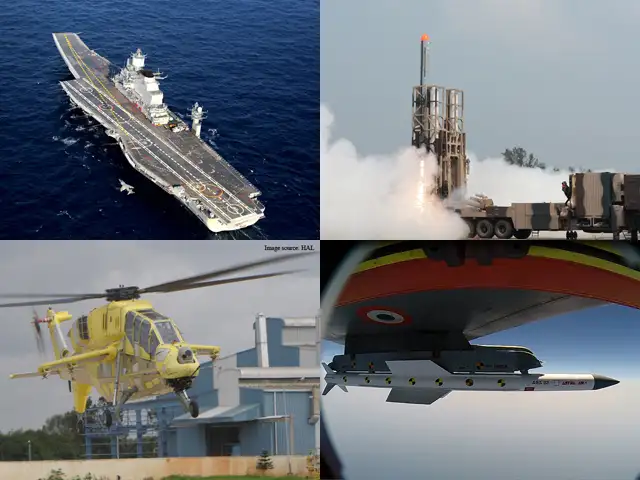
Economictimes.com & Agencies
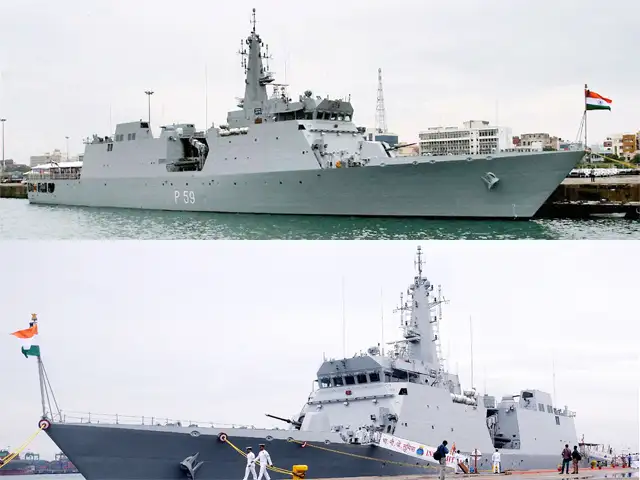
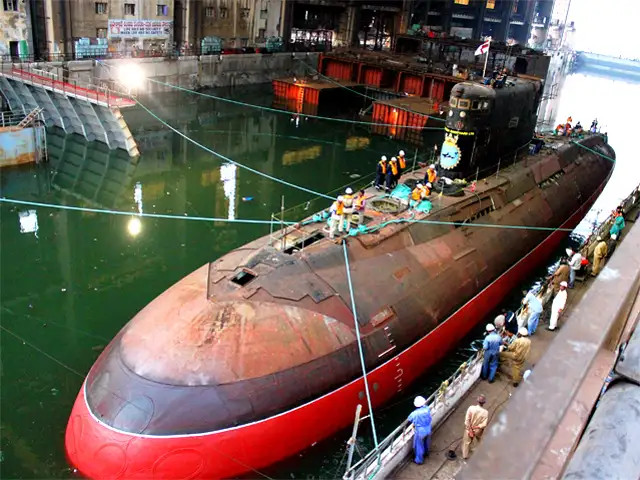
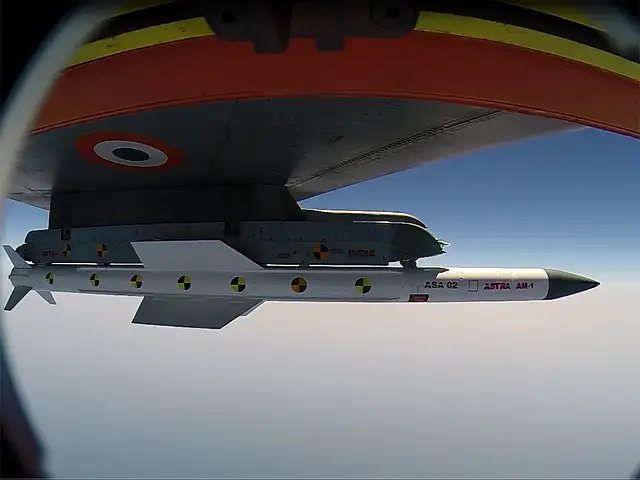
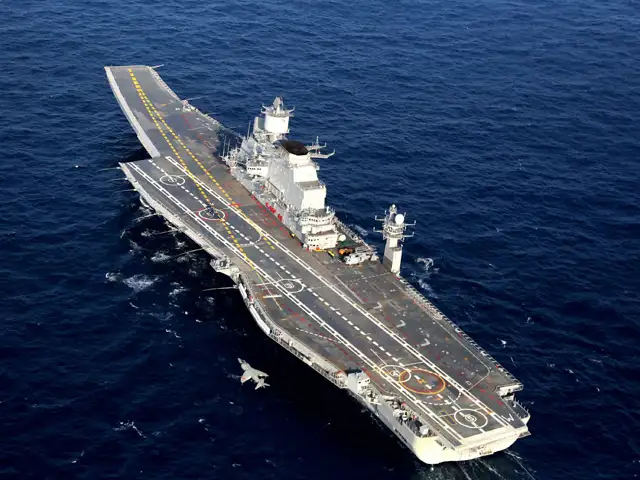
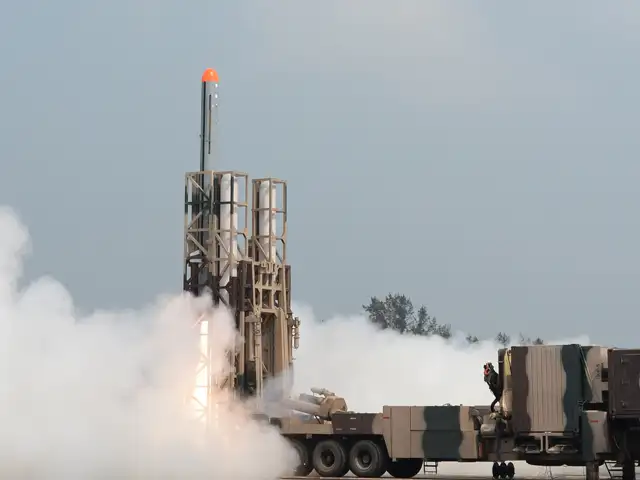
The need to have robust defence capabilities in today's day and age cannot be overstated. India has been aggressively pushing to enhance its ability to deter attacks and up its defence prowess.
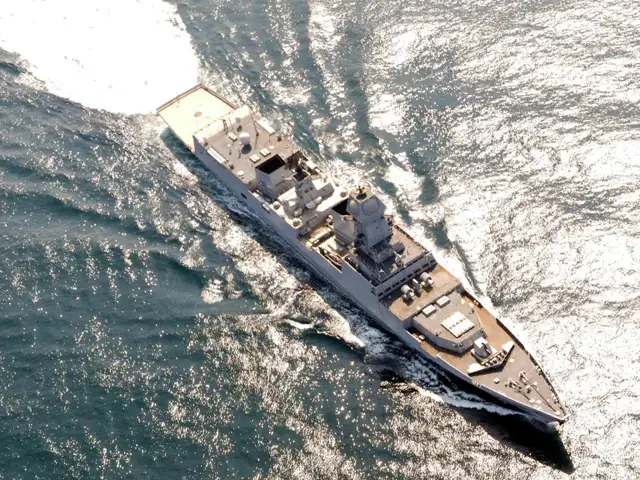
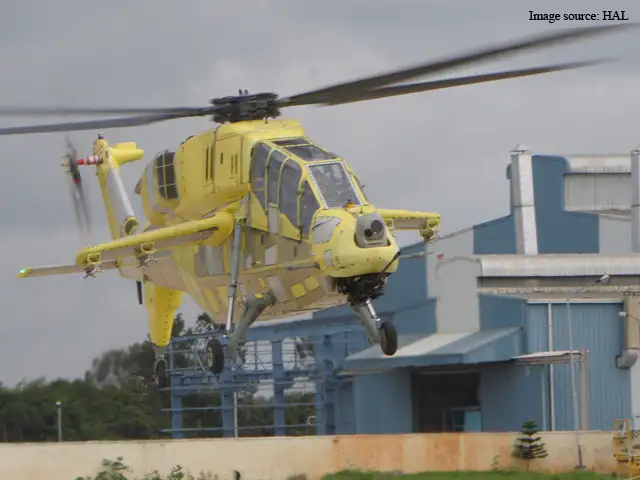
2014 saw multiple steps being taken in that direction and India saw many new additions to its defence fleet. We take a look at eight achievements that deserve a special mention:
The need to have robust defence capabilities in today's day and age cannot be overstated. India has been aggressively pushing to enhance its ability to deter attacks and up its defence prowess.
2014 saw multiple steps being taken in that direction and India saw many new additions to its defence fleet. We take a look at eight achievements that deserve a special mention:

ADVERTISEMENT


