Anil Ambani's Reliance Group forays into defence manufacturing sector
The group has set up Reliance Defence and Aerospace as a wholly owned unit of Reliance Infrastructure Ltd, and named Rajesh Dhingra as its head.
By Romit Guha, ET Bureau | Updated:
NEW DELHI: The Reliance Group, headed by billionaire Anil Ambani, is foraying into the defence manufacturing sector, joining the likes of Reliance Industries, the Tata Group, L&T and Mahindra Group to tap into what could be a $100-billion market in 10 years.
The group, which has interests from telecom to infrastructure and financial services to power, has set up Reliance Defence and Aerospace (RDA) as a wholly owned unit of Reliance Infrastructure Ltd, and named Rajesh Dhingra, a former managing director of Lockheed Martin India, as its head.
Contracts for Helicopters
To start with, RDA will bid for contracts to make helicopters for the Armed Forces, the Reliance Group said. “The ‘Make in India’ initiative of the government provides a perfect landscape for setting up of a comprehensive defence industrial base in the country,” Reliance Group Chairman Anil Ambani said. He added that the group’s aim is to bring in world-class technologies to the country as well as improve local skill sets, cut down on import of defence products and create jobs. People familiar with the matter said the company is in talks with some international majors, including Eurocopter of France, Kamov of Russia, and Sikorsky of the US, for technological tie-ups, though the company declined to comment.
Currently, India spends around $40 billion annually on defence, 40%, or around $16 billion, of which is spent on buying new equipment and products. Sixty percent of the purchases are imported, spurring the government to include local defence production as a major thrust area under its Make in India initiative. Under the new BJP-led government, India eased foreign investment rules in defence production to 49%, from 26% earlier. In addition, investments above 49% will be allowed on a case-by-case basis on approval by the Cabinet Committee on Security, wherever it is likely to result in access to modern and state-of-the-art technology.
The government has said that the opening of defence production -- which is as of now dominated by state-run companies -- for private sector participation will help foreign equipment manufacturers to enter into partnerships with local companies and leverage the domestic markets and also aim to cater to the global market. Besides helping build domestic capabilities, this will bolster exports in the long term.
RDA’s Dhingra said the current gap between the requirements of the Armed Forces and the domestic production base in India offered a big opportunity for India’s private sector. The company will also explore production opportunities in other segments, including building naval platforms, air mobility, avionics and Network Centric Warfare (NCW), which broadly is networked technology to provide an advantage on the battlefield.
It will seek industrial licences specific to each contract that they bid for, Dhingra added. Some of the contracts that RDA will be bidding for -- once request for proposals are floated -- include 100 naval utility helicopters estimated to be worth around $1.5 billion; 387 light utility helicopters worth $2 billion; six submarines worth $10 billion; 106 basic trainer programs worth $1.3 billion; and 123 naval multi role helicopters worth $4 billion, among others.“
The company will be looking at both organic and in-organic route for its growth and capability building targeted at the defence and aerospace sector,” Dhingra said. He added that this would include options of buying stakes in existing companies to expand capabilities for setting up greenfield manufacturing facilities. Dhingra added the company already has five airfields in Maharashtra on a long-term lease which it intends to leverage for manufacturing, testing, simulation and training facilities.
The group, which has interests from telecom to infrastructure and financial services to power, has set up Reliance Defence and Aerospace (RDA) as a wholly owned unit of Reliance Infrastructure Ltd, and named Rajesh Dhingra, a former managing director of Lockheed Martin India, as its head.
Contracts for Helicopters
To start with, RDA will bid for contracts to make helicopters for the Armed Forces, the Reliance Group said. “The ‘Make in India’ initiative of the government provides a perfect landscape for setting up of a comprehensive defence industrial base in the country,” Reliance Group Chairman Anil Ambani said. He added that the group’s aim is to bring in world-class technologies to the country as well as improve local skill sets, cut down on import of defence products and create jobs. People familiar with the matter said the company is in talks with some international majors, including Eurocopter of France, Kamov of Russia, and Sikorsky of the US, for technological tie-ups, though the company declined to comment.
Currently, India spends around $40 billion annually on defence, 40%, or around $16 billion, of which is spent on buying new equipment and products. Sixty percent of the purchases are imported, spurring the government to include local defence production as a major thrust area under its Make in India initiative. Under the new BJP-led government, India eased foreign investment rules in defence production to 49%, from 26% earlier. In addition, investments above 49% will be allowed on a case-by-case basis on approval by the Cabinet Committee on Security, wherever it is likely to result in access to modern and state-of-the-art technology.
The government has said that the opening of defence production -- which is as of now dominated by state-run companies -- for private sector participation will help foreign equipment manufacturers to enter into partnerships with local companies and leverage the domestic markets and also aim to cater to the global market. Besides helping build domestic capabilities, this will bolster exports in the long term.
ADVERTISEMENT
RDA’s Dhingra said the current gap between the requirements of the Armed Forces and the domestic production base in India offered a big opportunity for India’s private sector. The company will also explore production opportunities in other segments, including building naval platforms, air mobility, avionics and Network Centric Warfare (NCW), which broadly is networked technology to provide an advantage on the battlefield.
It will seek industrial licences specific to each contract that they bid for, Dhingra added. Some of the contracts that RDA will be bidding for -- once request for proposals are floated -- include 100 naval utility helicopters estimated to be worth around $1.5 billion; 387 light utility helicopters worth $2 billion; six submarines worth $10 billion; 106 basic trainer programs worth $1.3 billion; and 123 naval multi role helicopters worth $4 billion, among others.“
The company will be looking at both organic and in-organic route for its growth and capability building targeted at the defence and aerospace sector,” Dhingra said. He added that this would include options of buying stakes in existing companies to expand capabilities for setting up greenfield manufacturing facilities. Dhingra added the company already has five airfields in Maharashtra on a long-term lease which it intends to leverage for manufacturing, testing, simulation and training facilities.
Start a SIP with as low as ₹500 with ET Money App!
Download
The Economic Times News App for Quarterly Results, Latest News in ITR, Business, Share Market, Live Sensex News & More.
The Economic Times News App for Quarterly Results, Latest News in ITR, Business, Share Market, Live Sensex News & More.
Related Articles
 NCLT admits SBI plea for personal insolvency proceedings against Anil Ambani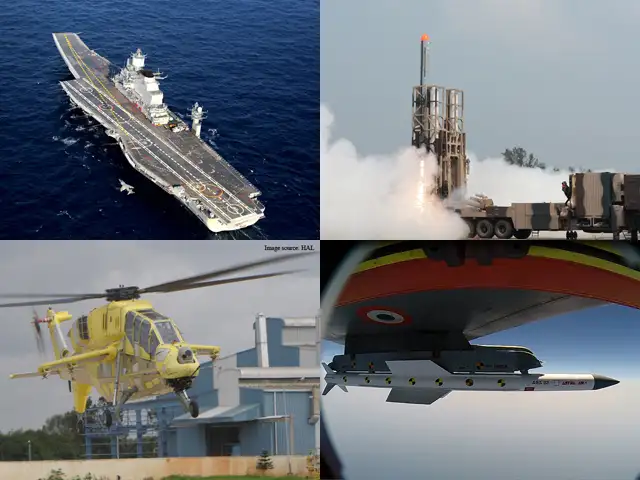
Economictimes.com & Agencies
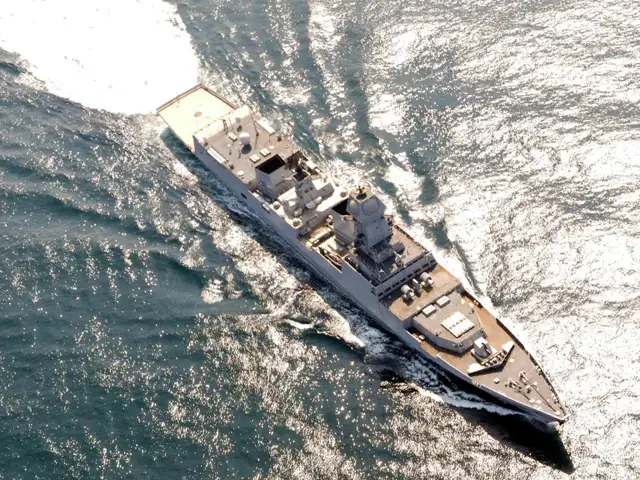
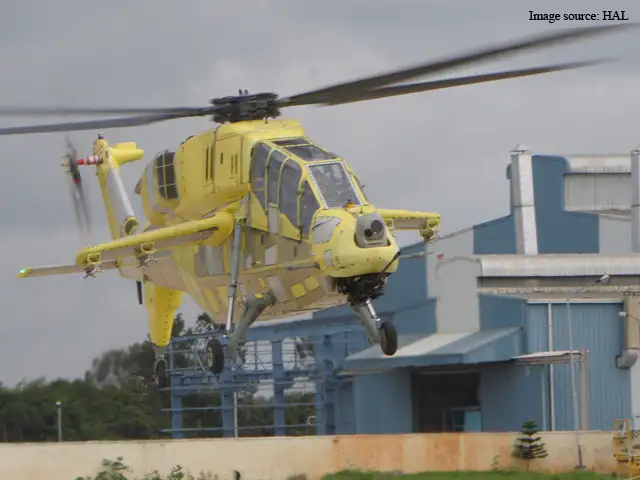
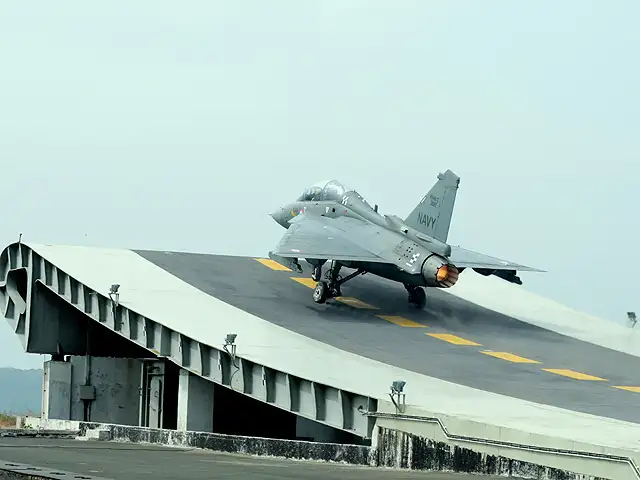
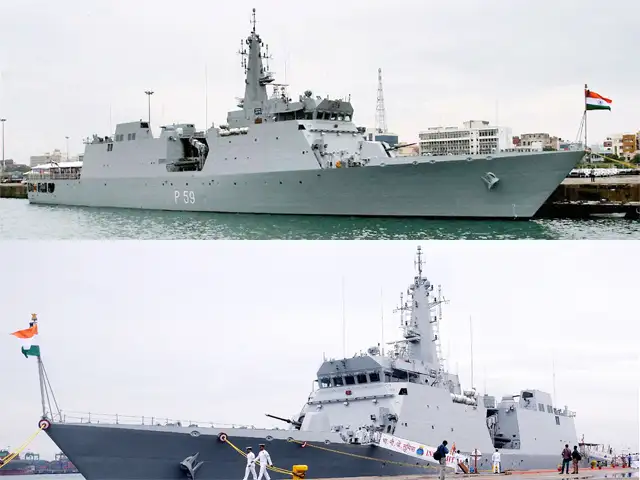
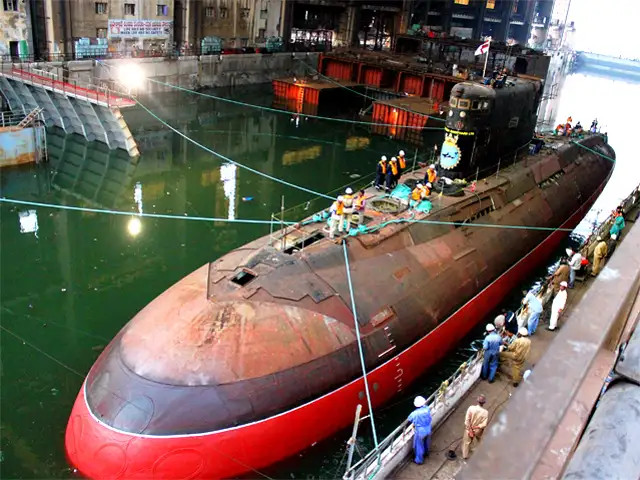
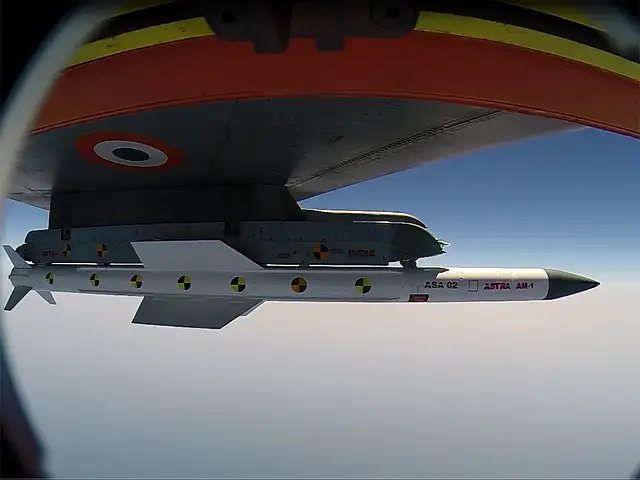
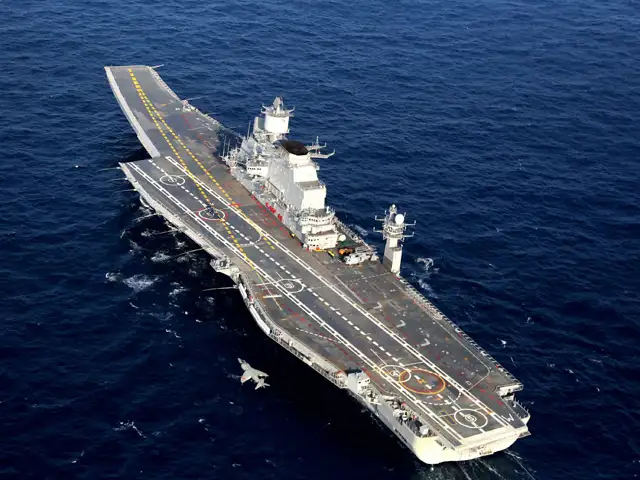
The need to have robust defence capabilities in today's day and age cannot be overstated. India has been aggressively pushing to enhance its ability to deter attacks and up its defence prowess.
2014 saw multiple steps being taken in that direction and India saw many new additions to its defence fleet. We take a look at eight achievements that deserve a special mention:
The need to have robust defence capabilities in today's day and age cannot be overstated. India has been aggressively pushing to enhance its ability to deter attacks and up its defence prowess.
2014 saw multiple steps being taken in that direction and India saw many new additions to its defence fleet. We take a look at eight achievements that deserve a special mention:

ADVERTISEMENT


